China Cuts Its PSL Rate to 1.5 Percent and Launches a Nationwide First Home Mortgage Subsidy

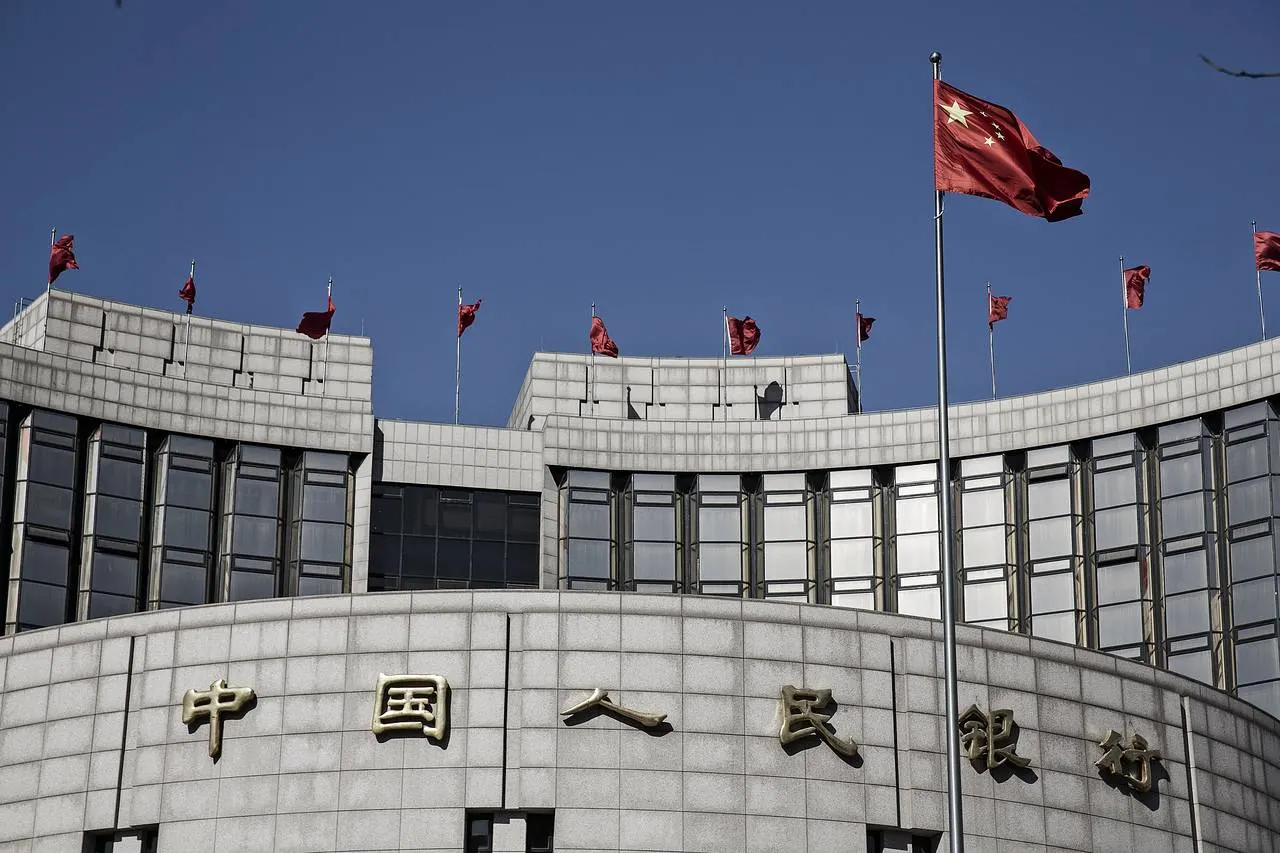
The People’s Bank of China cut the 1-year rate on its pledged supplementary lending (PSL) by 0.25 percentage points to 1.5 percent on 29 September, from 1.75 percent. It also added 700 billion yuan to 2 relending quotas. On the same day the Ministry of Finance, the central bank and the National Financial Regulatory Administration announced a nationwide interest subsidy on new first-home mortgages. The subsidy is 1 percentage point a year and starts on 1 October. The central bank said the changes follow the Politburo meeting and a State Council executive meeting, and are part of an “appropriately accommodative” monetary policy.
4 Changes to the Central Bank’s Toolkit
The PSL cut takes 14.3 percent off the rate, on our calculation. PSL is the tool through which the central bank funds the policy banks. The central bank also widened what PSL can finance to include 6 networks: water, the new power grid, computing, next-generation communications, urban underground pipelines and logistics.
The science, technology innovation and technology upgrading relending quota rises by 200 billion yuan to 1.4 trillion, an increase of 16.7 percent on our calculation. The central bank’s support ratio for that tool rises to 100 percent from 60 percent. The relending and rediscount quota for agriculture and small businesses rises by 500 billion yuan to 4.85 trillion. Within it, the private-enterprise relending quota rises by 300 billion yuan to 1.3 trillion, up 30 percent. Private enterprises therefore take 60 percent of the 500 billion yuan increase, on our calculation. Together the 2 quotas now total 6.25 trillion yuan, 12.6 percent more than before, on our calculation.
PBoC structural tools after the 29 September changes
| Tool | Before | After | Change |
|---|---|---|---|
| PSL 1-year rate | 1.75% | 1.50% | -0.25 pt |
| Sci-tech and upgrading relending quota | ¥1.2 trillion | ¥1.4 trillion | +16.7% |
| Agriculture and small business relending and rediscount quota | ¥4.35 trillion | ¥4.85 trillion | +11.5% |
| Of which private-enterprise relending | ¥1.0 trillion | ¥1.3 trillion | +30.0% |
Announced 29 September 2026. Percentage changes are our calculation.
The Mortgage Subsidy
The subsidy applies to a household’s first home bought with a newly issued commercial mortgage. The home must be 120 square metres or smaller and cost 1.5 million yuan or less. Refinancing an existing loan does not qualify. The state pays 1 percentage point a year on the loan principal for up to 5 years, on loans of up to 1 million yuan per household. The policy runs provisionally for 1 year from 1 October. The central government pays 90 percent and local governments 10 percent. Banks deduct the subsidy from each monthly interest payment automatically, so borrowers do not need to apply.
On a 1 million yuan loan, the subsidy is worth up to 10,000 yuan a year, on our calculation. The largest eligible loan, 1 million yuan against a 1.5 million yuan home, covers 66.7 percent of the price. The loan prime rate for terms over 5 years was 3.5 percent at the 20 September fixing. On a loan priced at that rate, 1 point off equals 28.6 percent of the interest bill, on our calculation. The notice gives no total cost for the programme.
Why it matters: For China, the 2 releases point the same way. The central bank cut the rate on funding it gives the policy banks and widened what that funding can be used for. Separately, the budget pays part of the interest on first-home loans. The relending increases are aimed at small and medium-sized technology firms, farming and small businesses, and private companies in particular.
Outlook: Banks start granting the subsidy on new eligible loans from 1 October. The notice asks them to report lending and subsidy use to the Ministry of Finance every month. The next LPR fixing in October will show whether bank lending rates move.
Sources: People’s Bank of China, Ministry of Finance of China, National Financial Regulatory Administration, The Edge.