ECB Policymakers Backed the Rise to 2.50 Percent Unanimously and Kept the Next Move Open
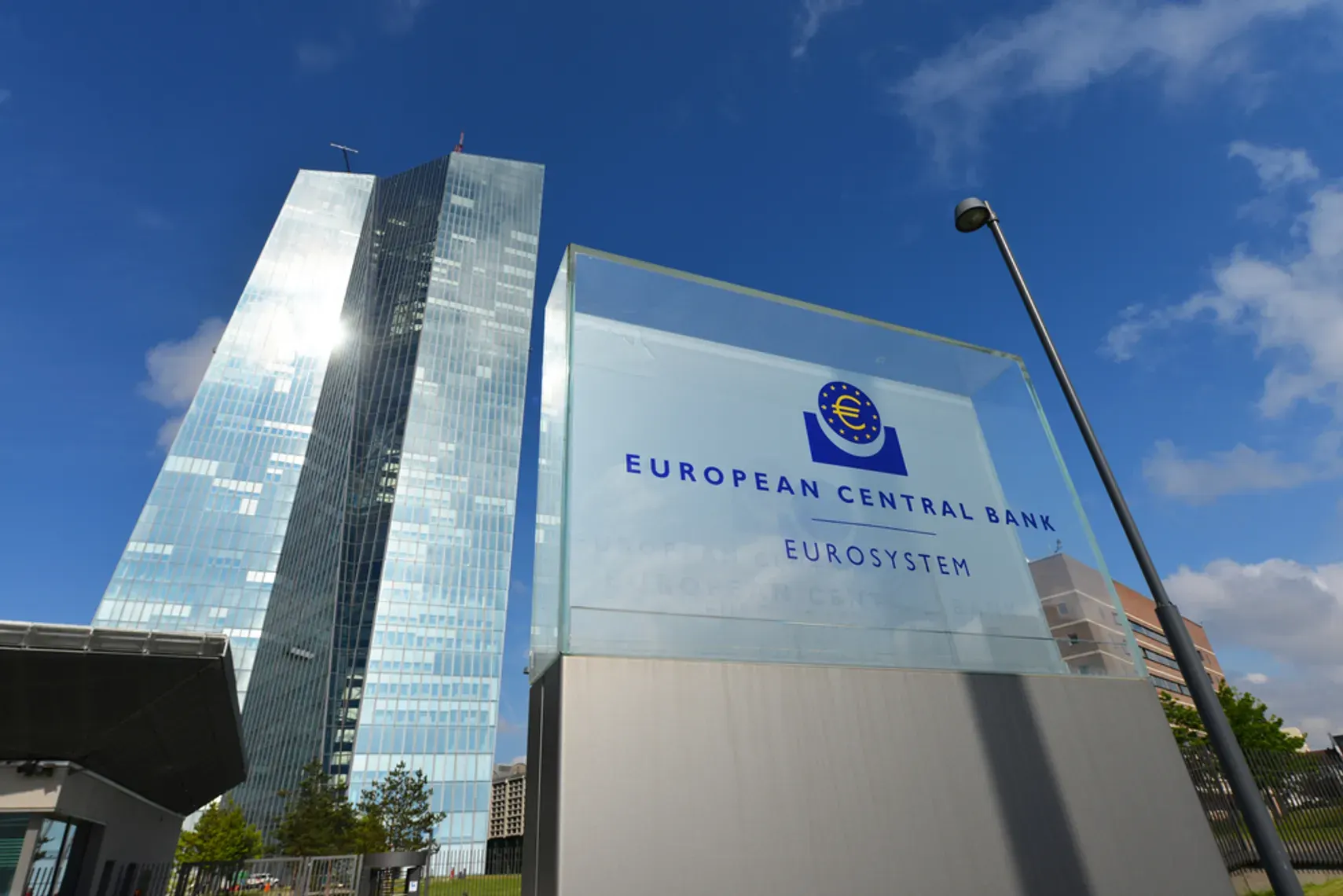
Every member of the European Central Bank’s Governing Council supported the quarter-point increase that took the deposit facility rate to 2.50 percent in September, with the main refinancing rate at 2.65 percent and the marginal lending rate at 2.90 percent from 16 September, according to the account of the 9 and 10 September meeting in Berlin published on 8 October. The account said communication should stay neutral, signalling neither a further step in a predetermined tightening cycle nor the last increase.
Inflation outlook revised up for 2027 and 2028
Staff projected headline inflation at 3.0 percent in 2026, 2.5 percent in 2027 and 2.1 percent in 2028. The 2026 figure was unchanged from June, while 2027 was raised by 0.2 points and 2028 by 0.1 points. Without the EU’s second Emissions Trading System, the 2028 projection would have been 1.9 percent, so on our calculation the new carbon pricing accounts for 0.2 points of it.
The quarterly path is steeper than the annual averages suggest. Headline inflation is projected at 3.6 percent in the final quarter of 2026 and 1.9 percent a year later, a fall of 1.7 points on our calculation, before rising to 2.2 percent at the end of 2028. Core inflation, which excludes energy and food, is projected to stay above 2 percent throughout the projection horizon.
Energy prices had risen since July. Executive Board member Philip R. Lane, who put the rate proposal to the Governing Council, told the meeting that oil stood at 97 dollars a barrel, 3 percent higher than at the July meeting, that European diesel crack spreads were above 70 dollars a barrel, more than 3 times their level before the conflict, and that gas was at 73 euros per megawatt hour, 17 percent higher. Energy inflation reached 14.3 percent in August from 10.3 percent in July, a rise of 4.0 points in a month on our calculation, and headline inflation rose to 3.3 percent from 2.9 percent.
ECB staff projections, September 2026, percent
| Measure | 2026 | 2027 | 2028 |
|---|---|---|---|
| Headline inflation | 3.0 | 2.5 | 2.1 |
| Core inflation | 2.5 | 2.6 | 2.3 |
| GDP growth | 0.9 | 1.4 | 1.5 |
Headline inflation was revised up from June by 0.2 points for 2027 and 0.1 points for 2028; GDP growth was revised up for 2026 and 2027.
Markets priced more increases than surveys
At the time of the meeting, markets had priced in 84 basis points of increases by the end of 2027, including September’s, against 64 basis points at the July meeting. On our calculation, 84 basis points added to the pre-meeting rate of 2.25 percent would take the deposit rate to 3.09 percent, in line with the expected terminal rate above 3 percent that the account describes. Survey-based expectations, by contrast, pointed to a plateau at 2.50 percent.
Staff estimates put the 2.50 percent rate within the range of neutral interest rates. The deposit rate sits 0.8 points below August’s 3.3 percent headline inflation and 0.1 points above core inflation of 2.4 percent, on our calculation.
The account records views on both sides. While members generally found the baseline more plausible, one view was that the adverse scenario was more likely than the baseline. Consumers’ inflation expectations 5 years ahead had risen to 2.5 percent in August, the highest since the series began in late 2022. Against that, a view was expressed that risks to the economic outlook were arguably more balanced than before, though still tilted to the downside, and the account noted that food inflation risks could even be to the downside and that the Middle East conflict could be settled this autumn, which made the milder scenario possible. Members said the bank must stay “agile and flexible” in responding to changes in the inflation outlook in either direction.
Why it matters: The account presents September’s increase as keeping the Governing Council well positioned against the uncertainty caused by the conflict, not as a step in a predetermined tightening cycle. With the 2027 and 2028 projections revised up and consumers’ 5-year expectations at their highest since late 2022, while surveys point to a plateau and markets to more increases, the October decision rests on the incoming data, on our reading.
Outlook: The Governing Council next meets on 28 and 29 October in Frankfurt, with the decision on 29 October. The account of that meeting is scheduled for 26 November.
Sources: European Central Bank, The Edge.