Von der Leyen Puts the Rise in EU Fossil Fuel Import Costs at 106 Billion Euros
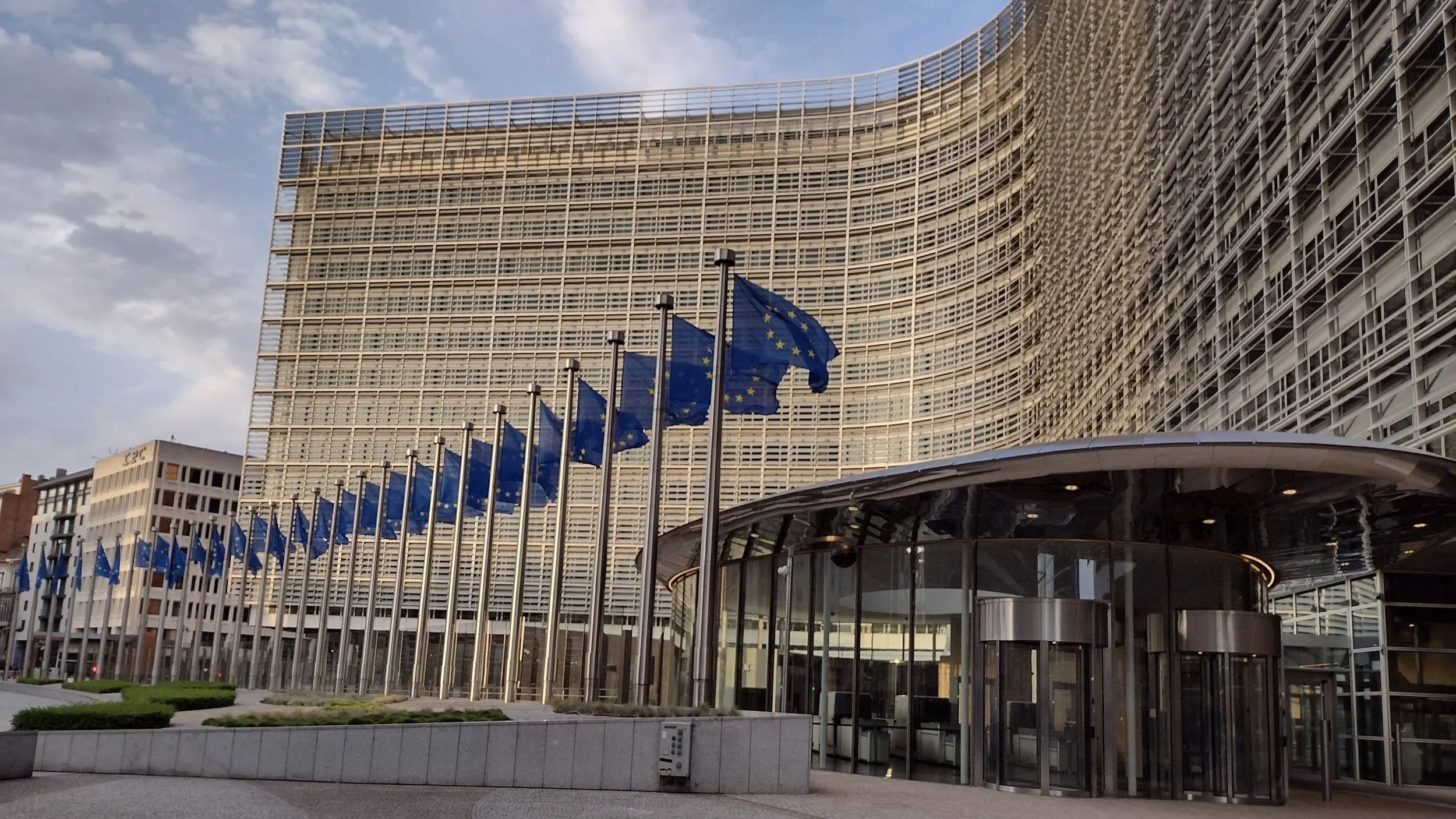
The European Union’s bill for imported fossil fuels has risen by 106 billion euros since the start of the war in the Middle East, “without a single additional molecule of energy”, European Commission President Ursula von der Leyen said in Brussels on the evening of 16 October, after a two-day European Council. Gas prices have risen by around 140 percent since late February and diesel prices have doubled, she said, as she set out a release of 100 million barrels of oil and diesel over the next four months and a one-year postponement of the Methane Regulation.
Short-term measures, from stock releases to joint buying
Von der Leyen presented the package as short-term. The International Energy Agency is starting to manage the 100 million barrel release, an average of 25 million barrels a month on our calculation. The temporary State Aid Framework introduced in February will be extended in scope and time. A one-year postponement of the Methane Regulation’s implementation has been proposed. A strategic dialogue on European refineries will work towards more refineries inside the EU and lower prices. And the EU taskforce that pools energy demand, so far limited to matchmaking, should, she said, task a market operator with buying energy on the global market, using the bloc’s combined purchasing power.
The leaders’ conclusions, adopted the same day, welcome the Commission’s proposal to postpone certain obligations under the Methane Regulation, and its plans to prolong state aid for the most exposed industrial sectors, to build a short-term framework to optimise the capacity and efficiency of EU refineries, and to bundle energy demand on a voluntary basis. Leaders also asked lawmakers to speed up work on the carbon market’s Market Stability Reserve to moderate excessive price volatility, sought an updated assessment of the impacts of ETS2, the second emissions trading system, and called for unrestricted trade in energy and energy products between partner countries. Further short-term measures may follow, taking account of differences in electricity prices between member states.
Customs data put March to August fuel imports 56 billion euros higher
EU imports of mineral fuels from outside the bloc came to 266.1 billion euros from March to August 2026, against 210.1 billion in the same six months of 2025, on our calculation from Eurostat monthly figures released on 16 October. That is 56.0 billion euros, or 26.7 percent, more. The monthly bill rose from 30.1 billion euros in February to a high of 48.5 billion in May, 60.9 percent more on our calculation.
The statement does not give the period, method or base behind the 106 billion euro figure. The customs comparison is with the same months of 2025 and ends in August, so the two figures are different measures. September and October are not yet in the customs series.
Energy took a larger slice of the import bill. Mineral fuels made up 18.8 percent of all imports from outside the EU in March to August, against 16.6 percent a year earlier, and accounted for 36.5 percent of the 153.6 billion euro rise in total imports, on our calculation. Energy exports grew faster, by 38.2 percent to 78.8 billion euros, but from a much smaller base, so the EU’s energy deficit widened by 34.2 billion euros to 187.3 billion, on our calculation. The bill is still well below 2022 levels: the 266.1 billion euros paid in March to August 2026 is 60.5 percent of the 440.0 billion paid in the same months of 2022, on our calculation.
EU trade in mineral fuels with countries outside the bloc, March to August, billion euros
| Measure | 2025 | 2026 | Change |
|---|---|---|---|
| Imports | 210.1 | 266.1 | +26.7% |
| Exports | 57.0 | 78.8 | +38.2% |
| Deficit | 153.1 | 187.3 | +22.4% |
| Share of all imports | 16.6% | 18.8% | +2.1 pts |
Eurostat extra-EU27 trade by SITC product group, section 3 (mineral fuels, lubricants and related materials), not seasonally adjusted, monthly values summed for March to August. Changes and shares are our calculation. The same months of 2022 came to 440.0 billion euros of imports.
Half of the extra spending went to two suppliers. Imports from the United States rose by 15.3 billion euros, or 44.2 percent, to 49.9 billion, and from Norway by 12.8 billion, or 57.7 percent, to 35.1 billion; together they took 50.2 percent of the increase, on our calculation. Saudi Arabia’s energy sales to the EU rose 21.1 percent to 14.5 billion euros in March to August, on our calculation, and Saudi crude gained ground in volume. EU crude imports from the Kingdom rose 15.7 percent to 10.33 million tonnes in March to June, the latest months in the monthly energy statistics, while crude imports from all origins reported by member states rose only 0.7 percent. That lifted Saudi Arabia’s share of EU crude purchases to 7.0 percent from 6.1 percent, on our calculation. March alone brought 3.58 million tonnes of Saudi crude, 36.0 percent more than February. With total crude volumes almost unchanged in March to June, the extra spending in those months did not come from buying more crude, on our reading.
Main suppliers of EU fuel imports, March to August 2026
| Supplier | Imports, bn euros | Change | Share of rise |
|---|---|---|---|
| United States | 49.9 | +44.2% | 27.3% |
| Norway | 35.1 | +57.7% | 22.9% |
| Kazakhstan | 19.2 | +31.9% | 8.3% |
| United Kingdom | 15.9 | +34.2% | 7.2% |
| Saudi Arabia | 14.5 | +21.1% | 4.5% |
| Libya | 14.5 | +38.5% | 7.2% |
EU imports of mineral fuels by partner, same source and basis as the table above; change against March to August 2025. Shares of the 56.0 billion euro rise are our calculation. Saudi Arabia at 14.53 billion euros and Libya at 14.48 billion; Algeria, at 14.47 billion, rose 8.6 percent.
Why it matters: For the EU, dearer energy means more money paid to foreign suppliers for almost the same volume of crude. Imports of mineral fuels cost 56.0 billion euros more in March to August than a year earlier, while crude volumes in March to June barely moved, and the energy deficit widened by 34.2 billion euros. Von der Leyen presented the measures set out in Brussels as short-term, and also pointed to replacing foreign fossil fuels by electricity produced in Europe, noting the EU installed 80 gigawatts of renewable capacity last year while six times more capacity is still waiting to be connected.
Outlook: The 100 million barrels are due over the next four months, and the next monthly trade release will show whether the September energy bill stayed above 40 billion euros, a level it has exceeded every month since March. Leaders want the European grids package and the other roadmap files agreed by the end of the year, and underlined the urgency of concluding the July proposal to modernise ETS 1, the original emissions trading system, which is now with the co-legislators.
Sources: European Commission, European Council, Eurostat, The Edge.