Lebanon Approves Power Plan Targeting at Least 3,000 to 3,500 MW, Led by Renewables

The Takeaway: Lebanon’s plan starts with piping natural gas to its Deir Ammar power plant through the Arab Gas Pipeline and, also in the near term, importing liquefied natural gas for the Deir Ammar, Zahrani and Zouk plants, replacing costly liquid fuel. Private operators would run distribution and bill collection zone by zone, while the state keeps ownership of the grid. The financial terms of the Qatari projects, including their tariffs and state guarantees, rest on talks with Qatar, which has proposed power plants, gas import facilities, renewables and battery storage.
Lebanon’s Council of Ministers approved a plan on Friday to lift capacity to at least 3,000 to 3,500 megawatts in a few years, mostly from renewables, chiefly solar and wind.
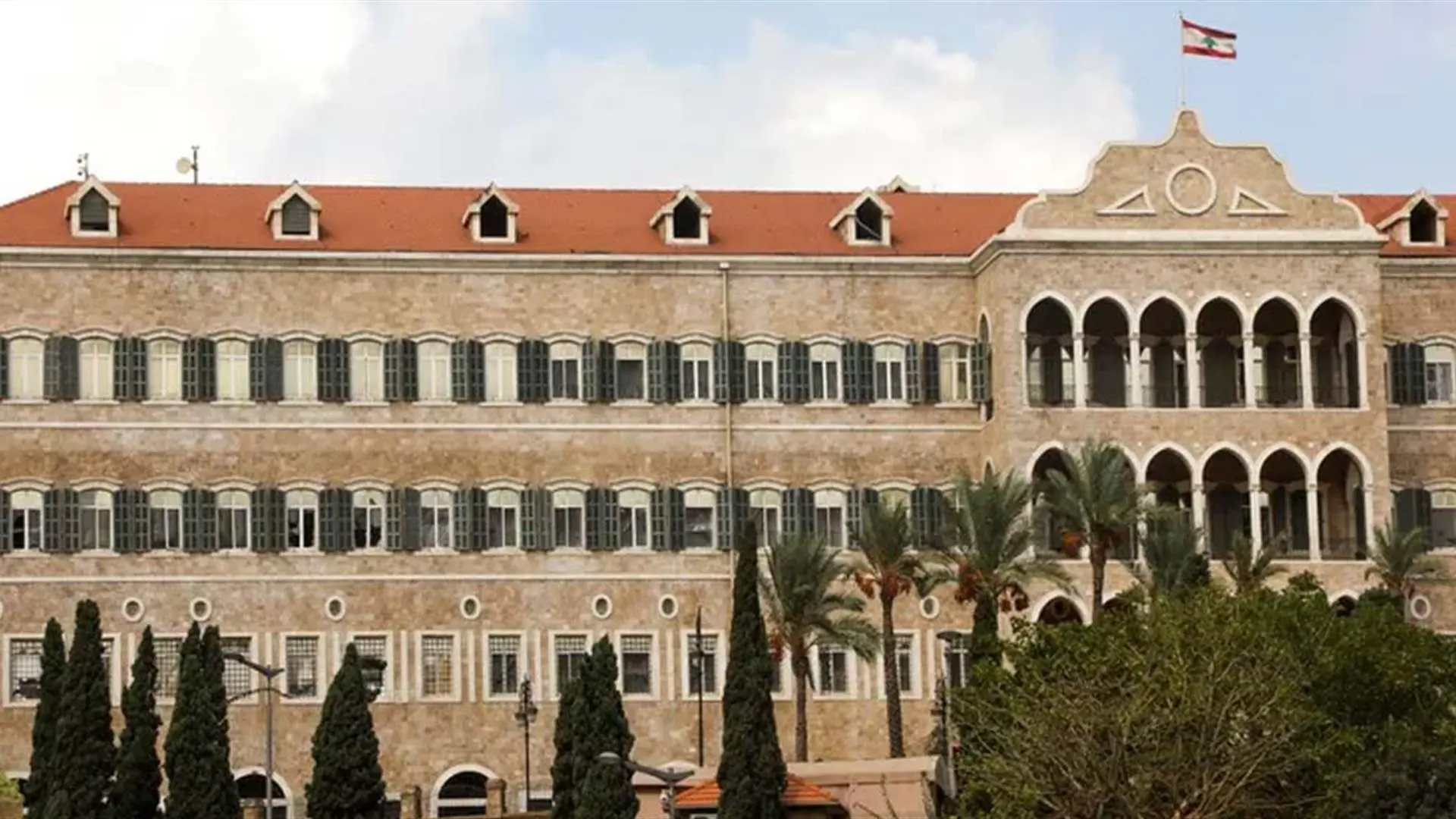
The cabinet, chaired by Prime Minister Nawaf Salam, met in a session devoted to electricity and approved Energy and Water Minister Joe Saddi’s plan across five areas: natural gas supply, generation, transmission, distribution and bill collection. Information Minister Paul Morcos read the official statement after the meeting, the Presidency of the Council of Ministers said; the National News Agency carried the same text.
The plan starts from what the statement calls a very high energy cost for citizens, wide reliance on private generators and large technical and non-technical losses on the grid. The statement says this places very heavy burdens on the national economy and on households. Fuel prices featured in Lebanon’s September inflation figures, as we reported on 10 November.
Pipeline gas and liquefied gas for three plants
In the near term, the plan provides for bringing natural gas through the Arab Gas Pipeline to the Deir Ammar plant in the north, switching it from gas oil to natural gas. The statement says this will cut the cost of generating power and ease the financial burden on Électricité du Liban, the state utility, and on the Treasury.
The plan’s main pillar, also in the near term, is imported liquefied natural gas to feed Deir Ammar and the Zahrani and Zouk plants. That would let the country stop using expensive liquid fuel oil, strengthen energy security and cut emissions, the statement says.
Most of the targeted capacity is to come from renewables, mainly solar and wind, paired with battery storage, alongside stronger hydropower and rehabilitated hydro plants. Gas plants would supply the baseload, the constant minimum demand, and keep the grid stable.
Private operators for distribution, state keeps the grid
The transmission grid needs redevelopment and new investment to carry power from new plants and renewable projects to consumers without bottlenecks.
On distribution, the government is working to bring in distribution system operators, private companies that would each take charge of a geographic zone, invest in its network and be responsible for cutting losses and raising bill collection. The Electricity Regulatory Authority will set the framework and monitor performance against clear indicators. Ownership of grid assets stays with the state.
Qatari project tariffs and guarantees remain under negotiation
The cabinet took note of projects proposed by Qatar: power plants, infrastructure to import and regasify liquefied natural gas, that is to return it to gas form, renewables and battery storage.
Talks with Qatar will continue to explore whether plants at Deir Ammar, Zahrani and Zouk can be built faster and the guarantees asked of the Lebanese state eased, as well as cooperation on renewables. They include exploring a government to government basis, under which private companies would take part through design, build, operate and transfer contracts, in which the builder runs a plant before handing it to the state.
The cabinet mandated the energy minister to pursue the talks with Qatar to reach an agreement on the full financial component, including tariffs, guarantees and the government to government framework, and to return to the cabinet with the outcome for a decision.
Separate steps on the utility’s tariff and arrears
Separately, Joe Saddi said the chairman of Électricité du Liban had presented the cabinet with a proposal for a variable tariff in the short term, and that he hoped it would be approved as soon as possible. The cabinet’s decisions do not include it.
Also on Friday, Law No. 72 was published in a special issue of the Official Gazette on the instructions of Prime Minister Nawaf Salam. It opens an additional appropriation of LBP 8,950 billion in the reserve chapter of the 2026 budget to settle part of what public administrations and institutions owe Électricité du Liban. The money covers past dues owed to the utility and is not financing for the new plan.
In The Edge’s reading, the plan fixes the direction but leaves the price open: the statement gives no cost, no dated timetable and no tariff level for the Qatari projects, and no contract or financing is agreed until the talks with Qatar return to the cabinet.
Method: facts are from the official statement of Lebanon’s Council of Ministers of 13 November 2026, read after the session by Information Minister Paul Morcos and published by the Presidency of the Council of Ministers, with the National News Agency (item 574085) as second source, read in Arabic and translated by The Edge. Joe Saddi’s remarks are from the same Presidency page. Law No. 72 is from the supplement to issue 49 of the Official Gazette, dated 13 November 2026, as published by the Presidency.
Sources: Presidency of the Council of Ministers (Lebanon), National News Agency (Lebanon).