China’s Factories and Shoppers Lose Pace in October

The Takeaway: China’s economy lost pace in October as both factory output and consumer spending slowed, while fixed asset investment fell 8.1% over the first ten months. High-tech manufacturing stood out, with value added up 17.6%. The statistics bureau itself pointed to weak demand at home. In The Edge’s reading, growth now rests on high-tech factories rather than on consumers or construction.
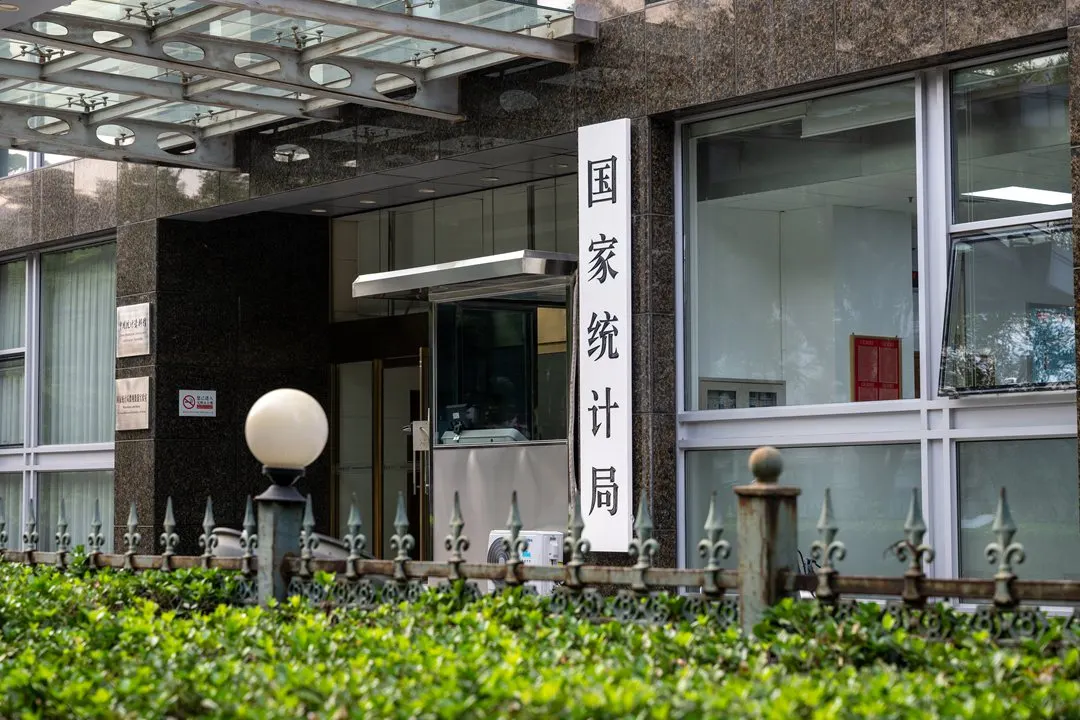
China’s industrial output grew 4.8% in October from a year earlier and retail sales rose just 0.4%, both slower than in September, the National Bureau of Statistics said on Monday.
Factory growth eased from 5.5% in September. Technology led: value added in high-tech manufacturing climbed 17.6% on the year, while mining barely grew.
Equipment makers also beat the average, growing 10.6%. Over January to October, industrial value added rose 5.3%, the same pace the bureau reported for the first nine months.
Shoppers were the weak link. Retail sales of consumer goods rose 0.4% on the year after 1.1% in September, and they barely moved from the previous month.
Spending on services held up better than spending on goods. Over the first ten months, retail sales of services grew 4.9% against 0.9% for goods, and rural sales outpaced those in towns and cities in October.
Investment showed the deepest weakness. Fixed asset investment fell 8.1% over January to October from a year earlier, a steeper decline than the 7.2% drop through September.
Property weighed most, with real estate development investment down 21.6%. Excluding it, investment fell 5.1%, while spending on intellectual property products such as software and research rose 9.2%.
The labor market improved slightly. The urban surveyed unemployment rate fell to 5.1% in October from 5.2% in September. The rate for 31 major cities also edged down.
The bureau described the economy as generally stable but said the “domestic imbalance between strong supply and weak demand is acute”, adding that some companies face operating difficulties. Private investment fell 11.4% so far this year, or 7.8% excluding real estate development. In The Edge’s reading, that leaves advanced manufacturing as the economy’s main support.
China’s activity indicators, September and October 2026 (%)
| Item | Sep | Oct |
|---|---|---|
| Industrial value added, change on year | 5.5 | 4.8 |
| Retail sales of consumer goods, change on year | 1.1 | 0.4 |
| Fixed asset investment, year to date, change on year | -7.2 | -8.1 |
| Urban surveyed unemployment rate | 5.2 | 5.1 |
What to watch: The bureau’s November figures for industrial production, retail sales and fixed asset investment are scheduled for 15 December 2026, a date its release calendar marks as preliminary and subject to adjustment.
Method: industrial value added growth is in real terms and the other growth rates are nominal, as the bureau calculates them; fixed asset investment excludes rural households, runs from January and is compared on the bureau’s comparable basis after its revision of the year-earlier data. October figures are from the National Bureau of Statistics release of 16 November 2026; September figures are from its releases of 19 and 20 October 2026. The next release date is from the bureau’s Regular Press Release Calendar of NBS in 2026.
Sources: National Bureau of Statistics of China.