Egyptian Pound Volatility Shows the War Premium Has Not Fully Disappeared
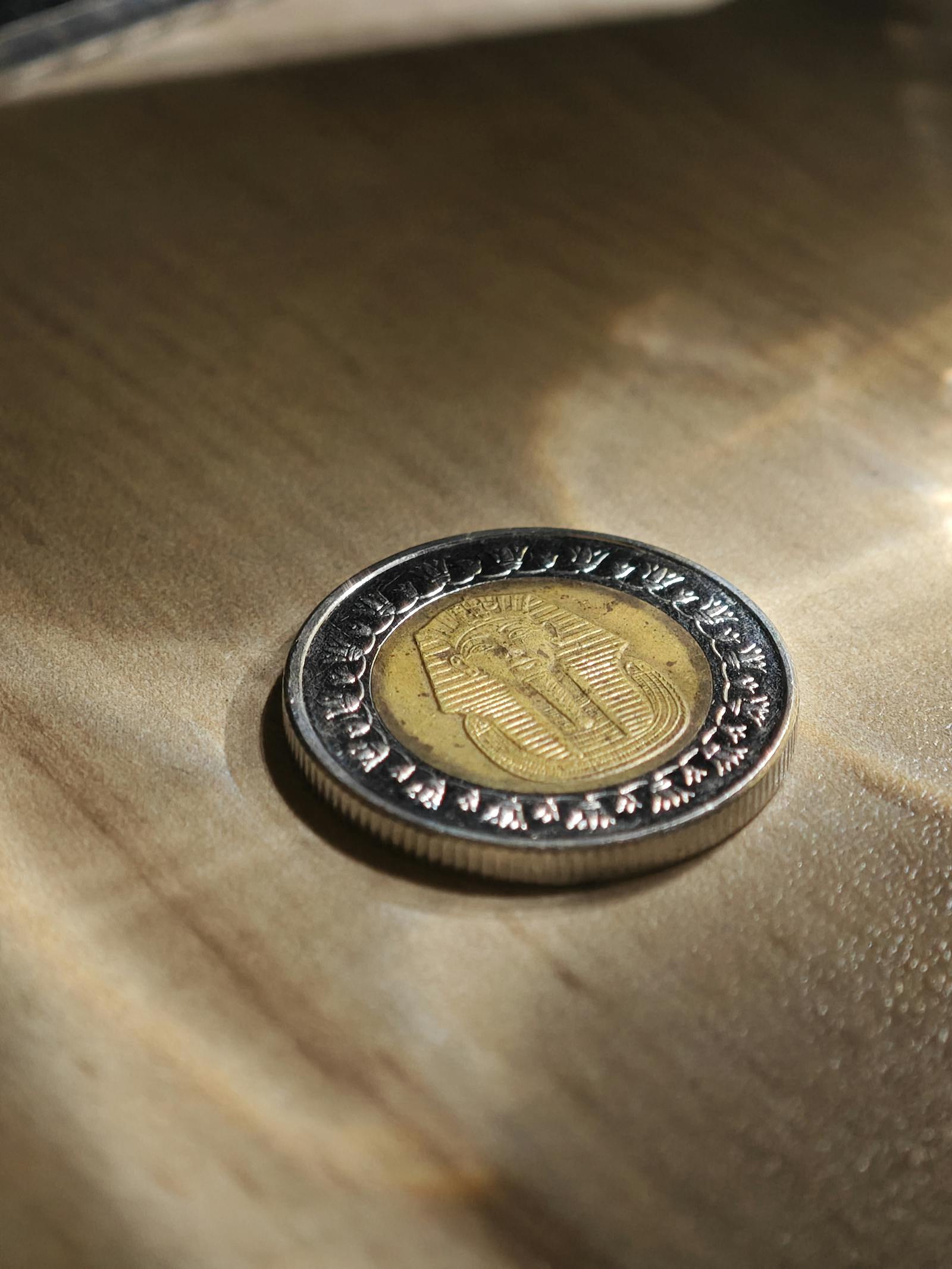
The Egyptian pound weakened again in Tuesday trading, with bank quotes around EGP 53.15 for buying and EGP 53.25 for selling per dollar, after the currency had recovered about 1.7 percent last week.
The latest move highlights that Egypt’s currency remains sensitive to external shocks. The regional war shock added pressure to existing vulnerabilities, including energy import dependence, portfolio flow sensitivity, and elevated external financing needs.
Key insights:
- Before the regional war shock, USD/EGP was trading around EGP 46.6 to 47 per dollar in mid-February.
- During the stress period, the pound weakened sharply, with USD/EGP reaching record levels around EGP 54.7 to 54.9 in late March and early April.
- From about EGP 47 to nearly EGP 54.8, the implied depreciation was roughly 16 to 17 percent.
- The current level near EGP 52.7 to 53.3 shows partial recovery from the worst point, but the pound remains about 12 to 13 percent weaker than its pre-shock level.
- The pressure was not only currency driven. Egypt’s monthly natural gas import bill reportedly rose from around USD 560 million to USD 1.65 billion, while foreign portfolio outflows were estimated at about USD 8 billion.
- The more flexible FX framework helped absorb the shock, but it also means the pound remains exposed to shifts in energy costs, investor flows, and confidence.
The main takeaway is that the pound has moved from panic-driven depreciation to managed volatility, but the war premium has not fully disappeared. A sustained recovery will depend on lower energy pressure, stronger portfolio inflows, stable tourism receipts, and continued confidence in Egypt’s exchange rate framework.