Saudi Fiscal Outlook Faces Temporary Pressure as Oil Prices Cushion Regional Shock
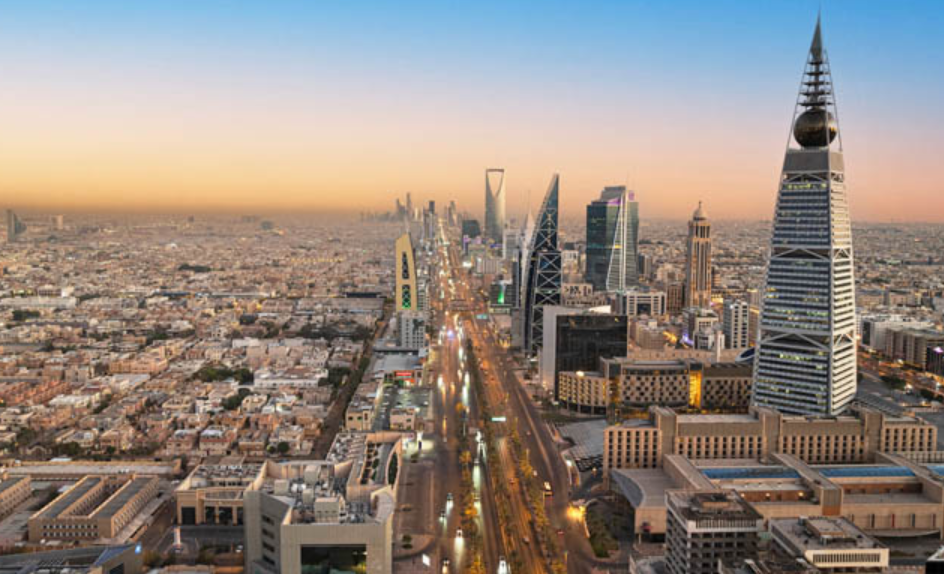
Saudi Arabia’s fiscal outlook has become more complex in 2026 as regional disruption affects growth, oil export flows and public finances. While higher oil prices may help cushion part of the budget impact, official data show that the Kingdom entered the year with a sizeable first-quarter deficit and higher spending needs.
The latest published IMF country data still show Saudi Arabia’s real GDP growth projected at 3.1% in 2026, with inflation expected at 2.3%. However, recent market reporting suggests that the growth outlook may soften if disruptions to regional shipping and oil flows persist. This creates a more cautious near-term picture, even though Saudi Arabia remains one of the region’s more resilient economies.
Oil Prices Provide a Fiscal Buffer
Saudi Arabia’s budget remains closely linked to oil revenue. The fiscal effect of the current regional shock depends on two factors: how much oil the Kingdom can export and how much higher prices compensate for lower volumes.
If export volumes decline but oil prices rise sufficiently, the revenue impact can be partly offset. This is why higher oil prices are expected to reduce some pressure on the fiscal and external accounts, especially if shipping conditions through the Strait of Hormuz normalize over the coming months.
Saudi Arabia also has relative flexibility compared with some regional peers because part of its crude exports can be routed through the Red Sea. This does not remove all risk, but it improves export continuity and supports the Kingdom’s ability to manage temporary disruption.
Q1 Data Shows Spending Pressure
Saudi Ministry of Finance data show that the Kingdom recorded a budget deficit of SAR 125.7 billion in the first quarter of 2026.
Total revenues reached SAR 261.0 billion, while expenditures reached SAR 386.7 billion. Oil revenues stood at SAR 144.7 billion, down 3% year-on-year, while non-oil revenues reached SAR 116.3 billion, up 2% year-on-year.
The deficit was driven more by spending pressure than by a collapse in revenues. Total expenditures rose 20% year-on-year, with large increases in goods and services spending, subsidies, capital expenditure and general items. This reflects the government’s continued commitment to supporting economic activity, infrastructure delivery and Vision 2030 related priorities.
Importantly, the first-quarter deficit was financed entirely through borrowing, with no drawdown from government reserves. This supports the view that Saudi Arabia is preserving fiscal buffers while using debt markets to manage temporary financing needs.
Budget Framework Remains Expansionary but Disciplined
Saudi Arabia’s approved 2026 budget projected total revenues of SAR 1.147 trillion and expenditures of SAR 1.313 trillion, implying a full-year deficit of around SAR 165 billion.
The first-quarter deficit of SAR 125.7 billion is large compared with the full-year target, but it should not be treated as a simple run-rate for the year. Oil prices, export volumes, budget timing and spending execution can change significantly over the remaining quarters.
The Ministry of Finance has emphasized a flexible fiscal approach that supports economic growth while maintaining medium-term sustainability. The 2026 budget continues to prioritize infrastructure, public services, social support and strategic projects linked to Vision 2030.
Non-Oil Activity Remains the Main Stabilizer
Saudi Arabia’s non-oil economy continues to provide an important stabilizing force. The 2026 Budget Statement highlights non-oil activity as the main engine of economic growth, supported by domestic demand, investment, services and ongoing structural reforms.
This matters because the Kingdom’s medium-term resilience depends on reducing sensitivity to oil market cycles. Stronger non-oil activity supports employment, private sector expansion and revenue diversification.
Even if headline GDP slows because of lower oil output or export disruption, non-oil growth can help protect domestic momentum and reduce the depth of the slowdown.
Inflation Remains Contained
Inflation remains one of Saudi Arabia’s relative strengths. The IMF’s published data show consumer price inflation projected at 2.3% in 2026, which is low compared with many emerging and advanced economies facing higher energy and food price pressures.
Regional shipping disruptions could still add some pressure through higher import, logistics and insurance costs. However, Saudi Arabia’s inflation environment remains broadly contained, giving policymakers more flexibility to manage the current shock without a major domestic price stability problem.
Financing and Debt Management
Saudi Arabia’s first-quarter deficit was financed through borrowing, while government reserves were preserved. Public debt reached SAR 1.667 trillion at the end of the first quarter, according to Ministry of Finance data.
This financing approach is consistent with the Kingdom’s broader debt strategy, which focuses on diversifying funding sources, extending maturities and managing debt servicing costs. Saudi Arabia’s access to domestic and international debt markets remains an important policy tool, particularly during periods of oil market uncertainty.
The key question is not whether Saudi Arabia can finance its deficit, but how quickly the deficit narrows if oil flows normalize and whether spending discipline remains aligned with medium-term fiscal targets.
Outlook
Saudi Arabia’s 2026 outlook is resilient but more exposed to external uncertainty than earlier budget assumptions suggested. Higher oil prices provide support, while non-oil activity, fiscal buffers and financing capacity strengthen the Kingdom’s position.
At the same time, the Q1 deficit shows that spending discipline and budget execution will remain important. If shipping through Hormuz normalizes and oil prices remain supportive, the deficit could narrow over the rest of the year. If disruption persists, growth may slow further and fiscal pressure could remain elevated.
The main takeaway is that Saudi Arabia has the policy space, financing capacity and non-oil momentum to manage a temporary shock. The challenge is to preserve that resilience while continuing the long-term Vision 2030 transformation.
For investors and policymakers, the main indicators to watch are oil export volumes, Brent prices, shipping conditions through Hormuz, non-oil growth, budget execution, borrowing trends and inflation. These will determine whether the current fiscal pressure remains temporary or becomes a more persistent challenge.
Source note: Analysis based on IMF Saudi Arabia country data, Saudi Ministry of Finance 2026 Budget Statement, Saudi Ministry of Finance Q1 2026 Budget Performance Report and recent market reporting on Saudi Arabia’s fiscal outlook.