Commodities Wrap: Brent Falls Around 5% to a Three-Month Low as Gold Holds Steady

Commodity markets fell sharply on Tuesday 16 June 2026, with crude oil dropping to a multi-month low while precious metals steadied after their recent rally. The main driver was the prospect of improved energy flows through the Strait of Hormuz following a de-escalation agreement, which removed part of the supply risk premium that had supported crude in recent weeks, even as the timing of a full recovery in shipping remained uncertain.
Oil falls to a three-month low
Brent crude settled about 5 percent lower at 78.96 dollars a barrel, its lowest level since early March and its first close below 80 dollars in more than three months. U.S. West Texas Intermediate settled about 5.8 percent lower at around 76.05 dollars a barrel. The declines followed reports of a de-escalation agreement that would support the gradual restoration of energy flows through the Strait of Hormuz and allow additional barrels to reach the market. The strait is one of the world’s most important energy chokepoints, with the International Energy Agency estimating that around 25 percent of the world’s seaborne oil trade transited the route in 2025. Lower crude prices ease one of the main channels of imported inflation for energy importing economies, while reducing the revenue cushion for exporters that had benefited from elevated prices, even as improved shipping access would lower risks to export volumes and logistics.
Gold steadies while silver and platinum ease
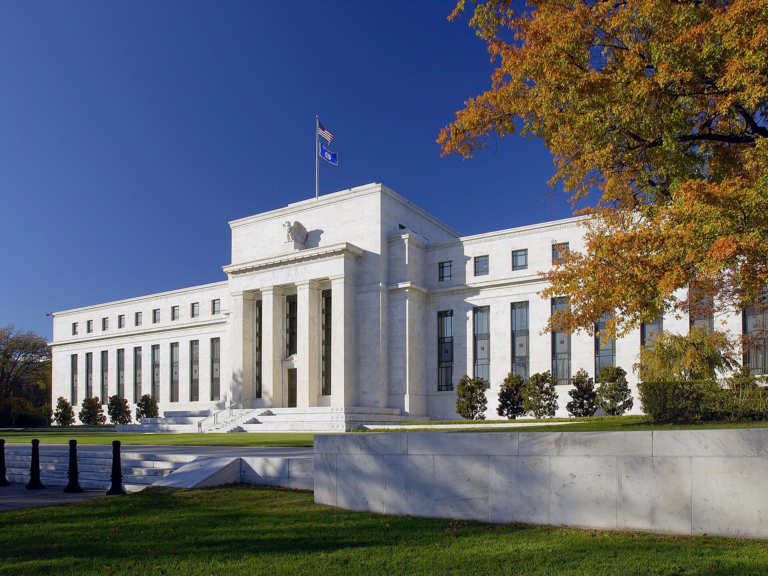
Gold held broadly steady at about 4,351 dollars an ounce as investors weighed lower energy prices against the approaching U.S. Federal Reserve decision on 17 June. Silver eased around 1 percent to about 69.29 dollars an ounce and platinum slipped about 0.9 percent to about 1,752 dollars, with both metals trading well below their early year peaks; silver in particular remained far beneath its late January record of about 122 dollars an ounce. The pause in the precious metals rally reflected a market weighing softer near term inflation risk from cheaper oil against the policy outlook, rather than the safe haven buying that typically accompanies rising geopolitical risk.
Why it matters
The drop in oil alongside steadier precious metals captures a shift in the market’s central concern, from supply disruption risk toward inflation and interest rates. For Gulf energy exporters, lower crude prices reduce the revenue cushion that high prices had provided, even as improved access through the Strait of Hormuz lowers a significant risk to shipping and export volumes. For global markets, cheaper energy supports the disinflation narrative, though the outlook remains conditional on how quickly shipping normalises and how durable the de-escalation proves.
Outlook
The near term direction of commodities will depend on whether the de-escalation holds, how quickly shipping through the Strait of Hormuz normalises and how markets read the Federal Reserve’s policy decision on 17 June. A durable restoration of energy flows would keep downward pressure on crude, while precious metals are likely to remain sensitive to real yields, inflation expectations and the dollar. Volatility is likely to stay elevated until markets gain greater confidence that energy flows are returning without renewed disruption.
Sources: CNBC, Financial Times; International Energy Agency.