Qatar Expects LNG Output to Return to Normal Within Weeks, Prime Minister Says
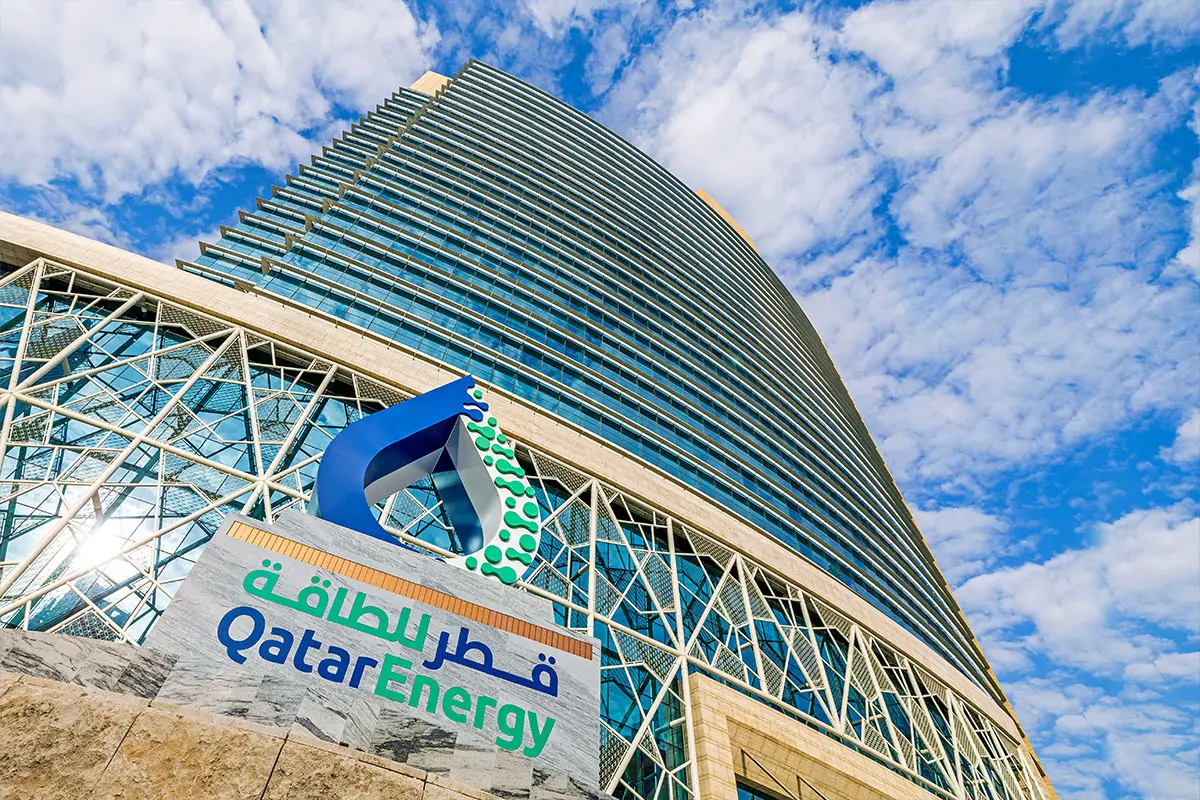
Qatar expects liquefied natural gas production to return to normal within weeks, according to comments by Prime Minister and Foreign Minister Sheikh Mohammed bin Abdulrahman Al Thani reported by the Financial Times and carried by approved wires. The message is important for global gas markets because Qatar is one of the world’s key LNG suppliers and Ras Laffan is central to the global LNG system. The production recovery is tied to the normalisation of operating and shipping conditions after a period of disruption linked to regional tensions, with the exception of a set of damaged facilities at Ras Laffan that will take longer to restore.
The official capacity base is large. QatarEnergy LNG operates 14 LNG trains, including six mega trains of 7.8 million tonnes a year each, for total capacity of about 77 million tonnes a year. QatarEnergy’s North Field East project will lift capacity from 77 million tonnes to 110 million, North Field South will raise it further to 126 million, and a planned North Field West phase targets 142 million tonnes by the end of 2030. At 77 million tonnes a year, current nameplate capacity averages about 6.4 million tonnes a month, which is why even a temporary disruption affects cargo scheduling, shipping availability, Asian procurement plans and European storage strategy.
Sizing the disruption
Wire and analyst estimates have suggested that around 12.8 million tonnes a year of capacity, about 17 percent of Qatar’s current 77 million tonne base and equivalent to roughly two trains plus a gas to liquids unit, may have been affected during the disruption. This figure should be treated as a wire estimate rather than an official QatarEnergy disclosure for the recovery period, and kept separate from the official 77 million tonne capacity and 126 million tonne expansion target. The arithmetic is still useful: 12.8 million tonnes a year is about 1.07 million tonnes a month, roughly one sixth of existing capacity. If most output normalises within weeks, the near-term issue is mainly cargo timing and contractual scheduling; if damaged facilities take longer, the issue shifts from timing to lost capacity and repair sequencing, which matters more for spot prices because LNG buyers react to the reliability of delivery windows, not just total capacity.
Why it matters
For Qatar, LNG is the core of fiscal strength, the external surplus and the long-term investment story, so the recovery timeline is an important revenue signal, while the North Field expansion, a roughly 64 percent capacity increase from 77 to 126 million tonnes before the later phase, remains the bigger strategic story. For global buyers, Asian importers rely on long-term contracts for baseload security and Europe uses LNG flexibility to manage storage and seasonal demand, so a credible recovery within weeks reduces the probability of a prolonged shortage. The episode also underscores that LNG is not as fungible as pipeline gas or crude: cargo timing, vessel availability, terminal slots and destination flexibility all determine whether a production recovery translates quickly into delivered supply, so official guidance must be read alongside vessel tracking and buyer confirmation.
Outlook
The outlook should be framed around verifiable milestones: an official QatarEnergy update confirming production and export normalisation; evidence from cargo loadings at Ras Laffan; customer confirmation from major buyers in Asia and Europe; and clarity on any facilities needing longer repair. A fast return to normal should reduce the risk premium in LNG and European gas benchmarks, while a slower return for damaged facilities would leave part of that premium in place ahead of winter procurement. Until those points are confirmed, precise repair dates and cost estimates should be avoided.
Sources: Financial Times; QatarEnergy; QatarEnergy LNG.