Egypt Pushes Its State-Asset Sales Forward as the EGX Lists More Companies and an IMF Tranche Comes Into View
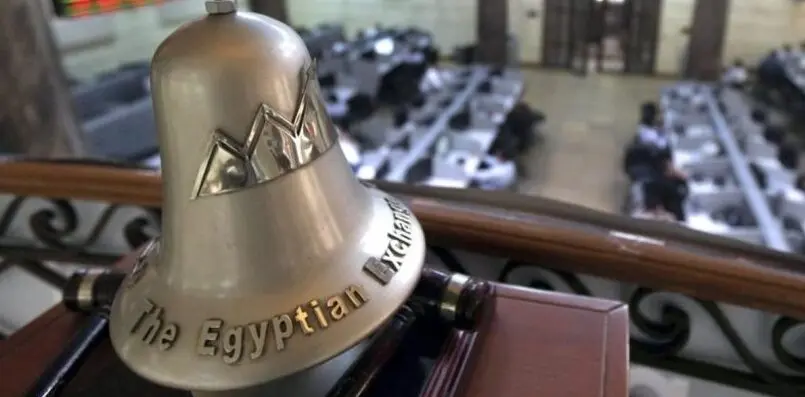
Egypt is accelerating its state-asset sale programme, listing more government-owned companies on the Egyptian Exchange and moving closer to unlocking about 1.6 billion dollars in international financing. The Egyptian Exchange has approved the temporary listing of four more state-owned companies under the government’s offering programme, and the exchange marked the step by ringing the trading bell, a procedural milestone that prepares the companies for eventual sale to investors.
The temporary listings are an administrative stage rather than a live offering, and they have been building for months. The Financial Regulatory Authority confirmed the temporary listing of six state-owned companies in April, and the programme has continued to build since, with more companies, including petroleum-sector firms, being prepared, while the actual sales are set to follow in stages. The chairman of the Egyptian Exchange and an aide to the Prime Minister told CNBC Arabia that four to six state-owned companies are expected to begin actual trading in the fourth quarter of 2026, a move they said should attract a new segment of foreign investors to the market.
The IMF link
The programme matters well beyond the stock exchange because it is tied directly to Egypt’s external financing. According to Bloomberg, Egypt’s recent state-asset sales have satisfied a key target of an International Monetary Fund review, easing the path to unlock about 1.6 billion dollars in financing for an economy under pressure from regional tensions. An IMF staff mission has been in Cairo reviewing Egypt’s Extended Fund Facility and its Resilience and Sustainability programme, and if the mission reaches a staff-level agreement, a board vote on completing the reviews and releasing the disbursement could follow over the summer.
The numbers behind the programme show why the disbursement matters. Egypt’s Extended Fund Facility is a 46-month arrangement worth about 8 billion dollars, expanded in March 2024 from the 3 billion dollars originally agreed in late 2022, and it sits alongside a Resilience and Sustainability arrangement of about 1.3 billion dollars, taking total access across the two facilities to about 9.3 billion dollars. The current review follows the fifth and sixth reviews, which the IMF board completed in February 2026 and which released about 2.3 billion dollars, so the roughly 1.6 billion dollars now in view would be the next instalment in that cadence. That sequencing explains why the listings carry weight: asset sales and private-sector participation are central commitments under the programme, intended to reduce the state’s footprint, bring in foreign currency and create space for private investment, and the IMF has repeatedly flagged that divestment has moved more slowly than envisaged. The distinction between the larger pipeline of companies temporarily listed and the four to six expected to trade this year is precisely the gap between administrative readiness and completed sales that investors and the Fund are watching.
Why it matters
For Egypt, external financing and foreign-currency inflows are the binding constraint on the economy, so progress that unlocks an IMF tranche and broadens the privatisation pipeline supports the pound, reserves and the country’s ability to meet its obligations. For the region, Egypt’s offering programme is a significant source of opportunity, since Gulf sovereign and private investors have been among the most active buyers of Egyptian assets, and a credible, well-sequenced sale programme deepens the channel for regional capital into the largest Arab consumer market. The programme is also a barometer of reform momentum: delivering actual trades, rather than only temporary listings, is what turns a policy commitment into foreign-currency receipts and into the kind of private-sector growth that Egypt’s medium-term stability depends on.
Outlook
The markers to watch are whether the IMF mission converts into a staff-level agreement and a summer board vote on the roughly 1.6 billion dollar disbursement, and whether the four to six companies flagged for the fourth quarter move from temporary listing to completed sales. Progress on both would reinforce Egypt’s financing position and its reform credibility, while delays would keep the focus on the gap between a long pipeline of temporarily listed companies and the smaller number that actually reach the market.
Sources: Bloomberg; CNBC Arabia; Financial Regulatory Authority; International Monetary Fund.