Lagarde Defends the ECB’s June Rate Hike and Signals a Measured, Meeting-by-Meeting Path
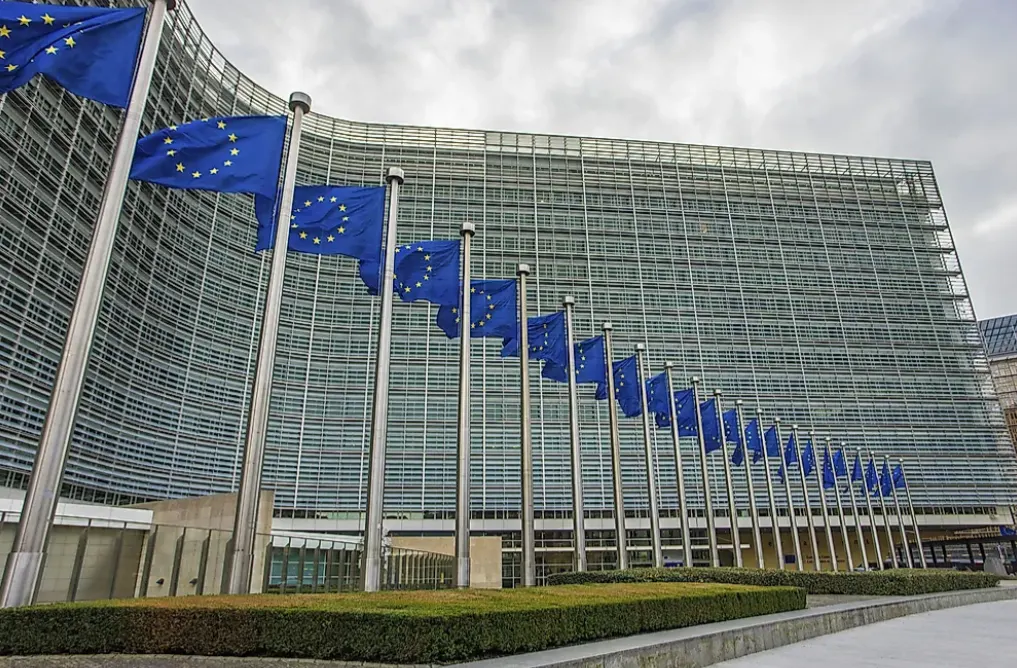
Opening the European Central Bank’s annual forum in Sintra, President Christine Lagarde defended this month’s interest rate increase as a data-driven move and signalled that policy will stay measured and decided meeting by meeting, pushing back on the idea that the hike was a one-off insurance step.
In her opening remarks on Monday, Lagarde rejected the characterisation of June’s 25 basis point increase as an “insurance hike,” saying the data had come in broadly as expected and the Governing Council raised rates accordingly. The move took the deposit rate to 2.25 percent. She framed the decision against the Bank’s June projections, which see inflation returning to the 2 percent target only in the fourth quarter of 2027, and argued that holding rates unchanged would have left inflation above 2 percent in both 2027 and 2028.
Lagarde reaffirmed the ECB’s reaction function: decisions are guided by the inflation outlook, the dynamics of underlying inflation and the strength of monetary transmission, and are taken on a data-dependent, meeting-by-meeting basis, with the policy rate the primary tool. She offered no commitment to a pre-set path in either direction.
On the external backdrop, Lagarde noted that oil had surged to nearly 120 dollars a barrel in March before falling back to around 73 dollars after an interim de-escalation of regional tensions, while cautioning that the durability of that calm is far from assured. The round trip in crude, a retreat of roughly 39 percent from the March peak, removes a near-term inflation impulse for the euro area but leaves energy as a live risk. She also observed that the euro had appreciated sharply against the dollar, contrary to model predictions of depreciation.
Why it matters: The ECB is signalling it is in no hurry to reverse a hike delivered into a still-uncertain inflation picture, which supports the euro’s policy-rate backing against the dollar. For the Gulf, where most currencies are pegged to the dollar while Kuwait is linked to a currency basket, a stronger euro can raise the local-currency cost of euro-denominated imports and liabilities while increasing the local-currency value of euro assets held by regional investors. A firmer European policy stance also matters for MENA exporters that invoice in euros and for the energy trade, where Lagarde’s caution on the durability of the regional calm underlines that oil and shipping risk remain in play.
Outlook: With inflation not seen back at target until late 2027 on the Bank’s own projections, the near-term signal is steady rather than easing. The path now hinges on incoming euro-area data, the durability of the regional de-escalation and the oil price, and on the euro-dollar rate, which feeds directly into the Gulf’s dollar pegs.
Sources: European Central Bank.