German Industrial Production Rises 0.9 Percent in May as Carmakers Lead, but Output Is Flat on the Year
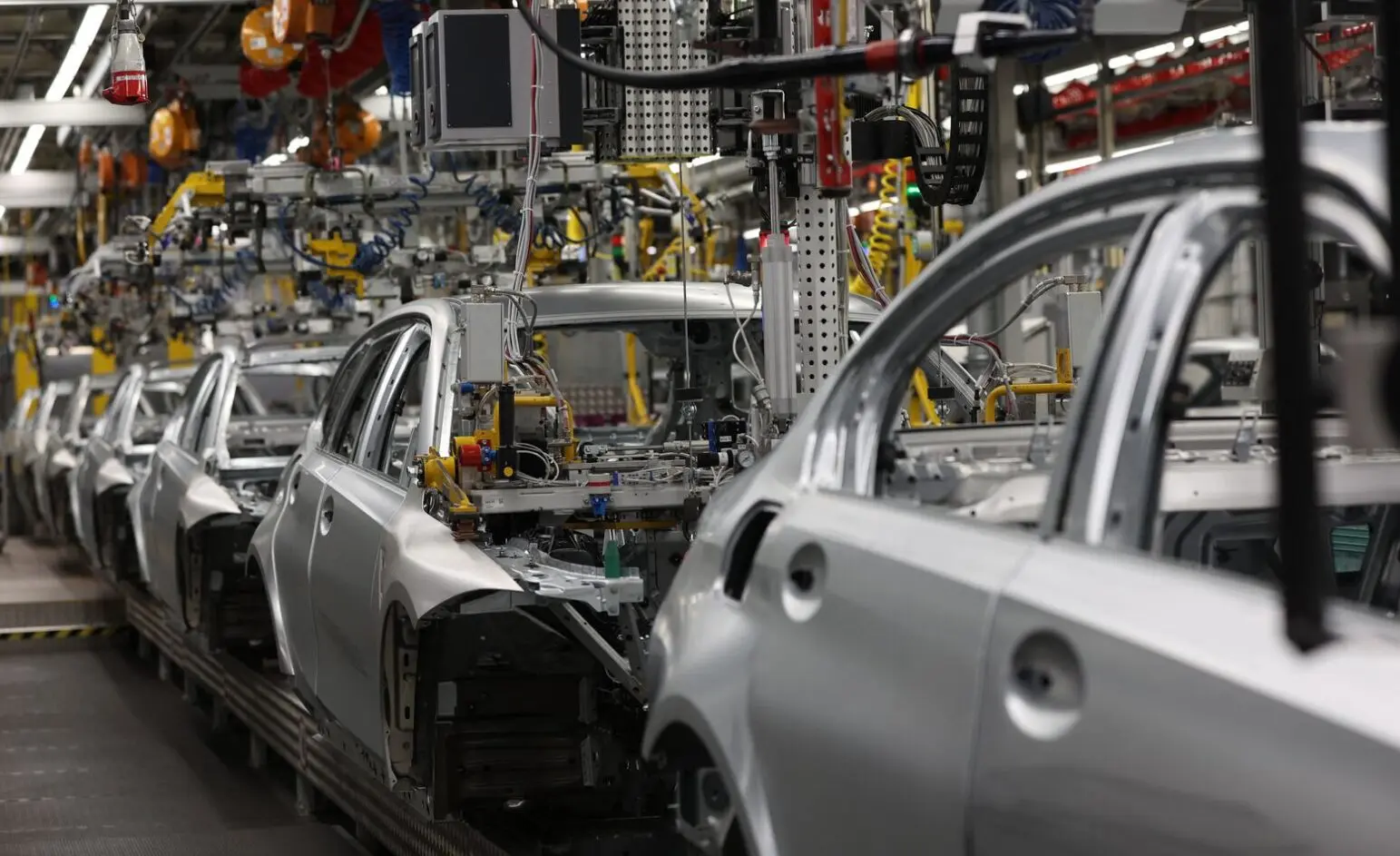
German industrial production rose 0.9 percent in May from the previous month, beating expectations and pointing to a tentative recovery in the euro area’s industrial heartland, led by a rebound in carmaking. The increase, reported by the federal statistics office, followed a modest 0.2 percent rise in April and was driven by a 3.6 percent jump in automotive output.
The detail behind the headline was encouraging but uneven. Alongside the strength in autos, capital-goods production rose 1.3 percent and construction 0.9 percent, and production excluding energy and construction was up 0.8 percent. Yet the monthly gain did not lift the annual comparison: production in May was essentially flat against the same month a year earlier, and the three-month trend was only marginally positive, underlining that the sector is stabilising rather than expanding.
The value in the number is what it says about momentum. A 0.9 percent monthly rise on top of April’s 0.2 percent, our reading, suggests two consecutive months of gains after a weak stretch, and the auto-led composition matters because vehicles are one of Germany’s largest export categories. But with output flat year on year, the recovery is best described as a floor forming rather than a rebound, consistent with the still-fragile picture painted by other euro-area data.
The release complements, but is distinct from, the earlier report on factory orders, which measures future demand rather than current output. Taken together, firmer orders and a monthly rise in production point in the same cautiously positive direction, though both remain some way from signalling a durable upturn in German industry.
Why it matters: Germany is the euro area’s industrial core, so its production trend leads the wider bloc and the European demand that matters to Gulf exporters and to trade-linked economies around the Mediterranean. A monthly rise led by carmakers is a welcome sign that the sector is steadying, but the flat annual reading is a reminder that European industrial demand, and by extension demand for energy and inputs from the region, is recovering slowly rather than accelerating.
Outlook: The near-term markers are whether the monthly gains extend into June and the year-on-year comparison turns positive, alongside the euro-area industrial and confidence data and the European Central Bank’s reading of the recovery. The auto sector, exposed to global trade and tariff policy, will be a key swing factor.
Sources: Federal Statistical Office of Germany.