China’s Foreign Reserves Ease to 3.42 Trillion Dollars in June as the Central Bank Buys Gold for a 20th Month
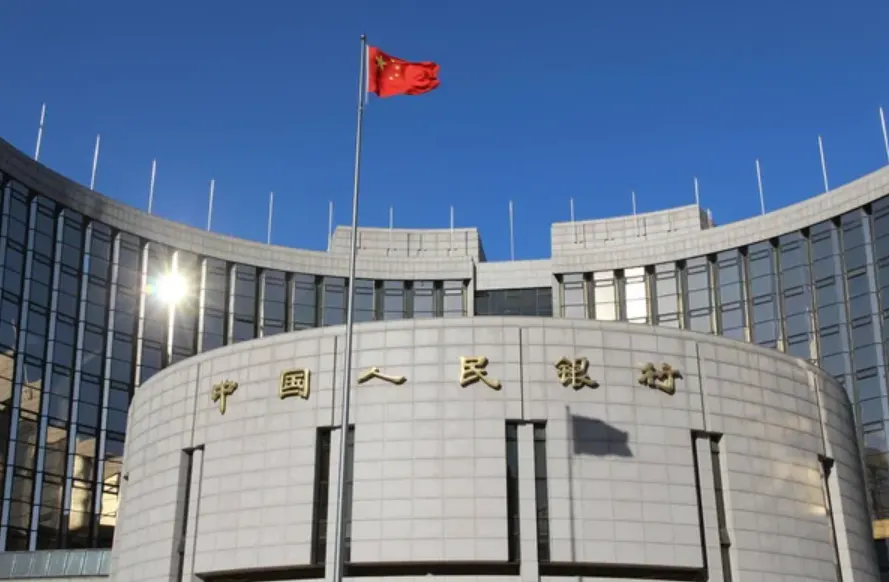
China’s official foreign-exchange reserves fell to about 3.416 trillion dollars at the end of June, down roughly 26 billion dollars on the month, as a stronger US dollar reduced the value of holdings denominated in other currencies, according to the State Administration of Foreign Exchange. At the same time, the central bank extended its run of gold purchases to a 20th consecutive month.
The dip in reserves was a valuation effect rather than a sign of capital flight. When the dollar strengthens, the dollar value of reserves held in euros, yen and other currencies falls, which accounts for most of the roughly 0.75 percent monthly decline, our calculation. At about 3.42 trillion dollars, China’s reserves remain by far the largest in the world and a core pillar of its financial stability.
The gold story is the more strategic one. The People’s Bank of China added to its gold holdings again in June, buying about 480,000 troy ounces, or roughly 15 tonnes, and taking the streak to 20 straight months, its longest run of accumulation in a decade, with total holdings around 75.4 million troy ounces, or roughly 2,346 tonnes. The steady buying reflects a deliberate effort to diversify reserves away from dollar assets and to hedge against geopolitical and monetary-system risk, a theme echoed by central banks globally.
The diversification is gradual but persistent. Even after nearly two years of purchases, gold remains under 10 percent of China’s total reserve portfolio, leaving ample room for further accumulation if the central bank chooses to continue. The pattern fits a broader shift among official reserve managers toward gold, which has been one of the clearest beneficiaries of uncertainty over the international monetary system.
Why it matters: China’s reserve management is closely watched as a signal of how the world’s largest holder of foreign exchange is positioning amid dollar strength and geopolitical risk. The steady gold buying is part of a global move by central banks to diversify away from the dollar, a trend with direct relevance for the Gulf, whose own monetary authorities hold large reserves and where gold has featured prominently, and for the broader question of the dollar’s long-term role that shapes reserve and currency decisions across the region.
Outlook: The markers to watch are whether the dollar’s strength persists and continues to weigh on the headline reserve figure, and whether the central bank extends its gold-buying streak further. Continued accumulation would reinforce the diversification trend that reserve managers worldwide, including in the Gulf, are pursuing.
Sources: State Administration of Foreign Exchange; People’s Bank of China.