Jordan’s Tourism Receipts Rose 24.9 Percent in July and Are Still 0.2 Percent Down Across Seven Months
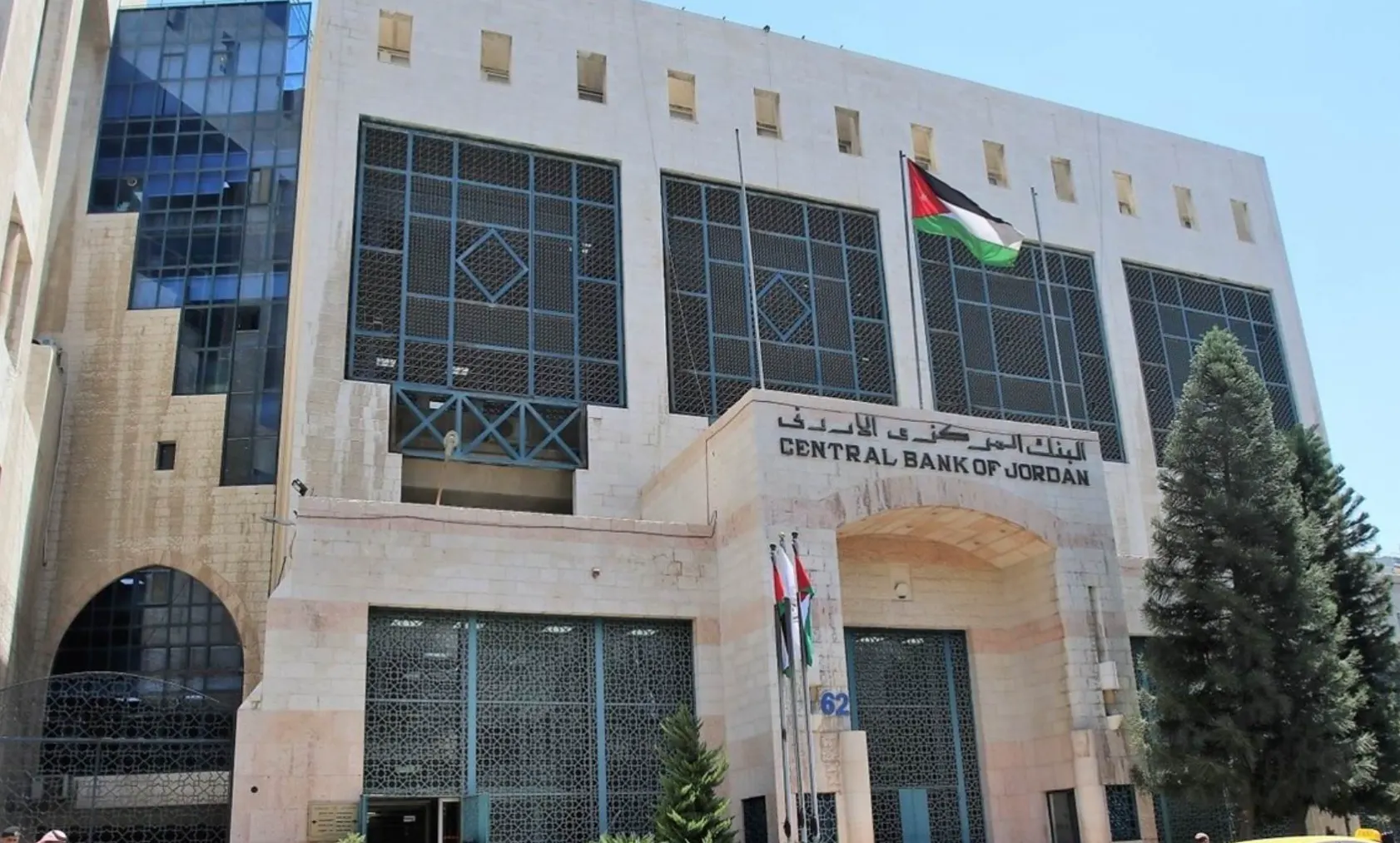
Jordan’s tourism receipts rose 24.9 percent in July to 926.2 million dollars, the Central Bank of Jordan reported on 18 August. Across the first seven months of the year receipts were 4.42 billion dollars, a decline of 0.2 percent on the same period of 2025.
One strong month has not recovered the year. A 24.9 percent rise in July against a seven month total that is still marginally below last year means the first half was weak enough to absorb it. On the central bank’s own figures, July 2025 receipts were about 741.6 million dollars, so July 2026 added roughly 184.6 million to the annual comparison, and the seven month total is still 0.2 percent short.
| Jordan tourism receipts | Value | Change |
|---|---|---|
| July 2026 | USD 926.2m | +24.9% |
| Seven months to July 2026 | USD 4.42bn | -0.2% |
| Outbound spending, July | USD 248.1m | +0.3% |
| Outbound spending, seven months | USD 1.15bn | -7.5% |
The composition explains the gap, and it is stark. Over the seven months, receipts from Arab nationalities rose 12.8 percent and from Asian nationalities 3.9 percent. Everything else fell: Jordanian expatriates by 8.9 percent, American nationals by 20.6 percent, European nationals by 24.7 percent, and other nationalities by 39.7 percent.
| Seven month receipts by group | Change |
|---|---|
| Arab nationalities | +12.8% |
| Asian nationalities | +3.9% |
| Jordanian expatriates | -8.9% |
| American nationality | -20.6% |
| European nationalities | -24.7% |
| Other nationalities | -39.7% |
The central bank states the reason plainly. It attributes the July rise to the peak summer season, to Arab inbound tourism and particularly visitors from the Arab Gulf states, and to returning Jordanian expatriates, while writing that international tourism remains at its minimum levels because of the current conditions in the region.
Growth in Arab and Asian receipts is offsetting declines across every other reported source group. Two groups are positive and four are negative. Arab and Asian visitors are holding the total roughly flat while long haul source markets have fallen by between a fifth and two fifths. That is a change in the composition of Jordan’s tourism economy rather than a change in its level, and composition of that kind is harder to reverse than a single weak season.
The travel account still runs a large surplus. Against 4.42 billion dollars of receipts over seven months, Jordanians and residents spent 1.15 billion abroad, itself down 7.5 percent. The net travel surplus is therefore about 3.26 billion dollars, and receipts cover outbound spending 3.8 times.
Why it matters: Tourism is one of Jordan’s principal sources of foreign currency, so the seven month figure feeds directly into the current account. A flat total assembled from a 12.8 percent rise in Arab receipts and a 24.7 percent fall in European ones is more fragile than a flat total made of stable components, because it concentrates the outcome on a smaller set of source markets. For Gulf readers the connection is direct: visitors from Gulf states were an important driver of July’s rebound, while growth in Arab and Asian receipts offset weakness across the other reported source groups over the seven months.
Outlook: The Central Bank of Jordan has held its main policy rate at 5.75 percent, most recently at its Open Market Operations Committee meeting on 18 June, its fourth of the year. Foreign reserves were 26.1 billion dollars at the end of June, covering 8.6 months of imports of goods and services, and inflation averaged 2.03 percent across the first half. The measurable test is whether the August and September receipts, still inside the summer season, close the 0.2 percent gap or leave the year negative.
Sources: Central Bank of Jordan, tourism income release of 18 August 2026, and Open Market Operations Committee statement of 18 June 2026. The implied July 2025 comparator, the net travel surplus, the coverage ratio and the split between rising and falling source markets calculated by The Edge Research Team from the published figures.