China Is Still Germany’s Largest Trading Partner, and the Reason Is on the Import Side
China remained Germany’s largest trading partner in the first half of 2026, with a trade volume of 125.5 billion euros, ahead of the United States at 123.7 billion and the Netherlands at 109.3 billion. The federal statistical office published the detailed half-year results this morning.
The position is one China reclaimed rather than won. It held the top spot for eight consecutive years, from 2016 to 2023. The United States took it in 2024 and held it for a single year. China regained it across full-year 2025, and the first half of 2026 confirms it.
What makes the half-year worth reading closely is that Germany did not hold the ranking by selling more to China. It held it by buying more.
The two sides move in opposite directions
German exports to China fell 12.2 percent in the first half, to 36.4 billion euros. Imports from China rose 8.8 percent, to 89.1 billion. The bilateral deficit widened to 52.7 billion euros, from 40.5 billion a year earlier.
The United States tells a mirrored story. German exports there fell 6.1 percent to 73.1 billion euros, while imports from the United States rose 7.0 percent to 50.6 billion. The German surplus with the United States narrowed to 22.5 billion euros from 30.5 billion.
The United States therefore remains Germany’s single most important export destination, as it has been for several years, while China ranks ninth on that measure. The top-partner ranking is a volume measure, and China occupies it on the strength of what it sends to Germany rather than what it takes.
Destatis names the tariffs
The statistical office is explicit about the cause on the American side. It attributes the fall in exports to the high United States import tariffs on European Union goods introduced from April 2025, noting the first half of 2025 was only partially affected by them and the first half of 2026 fully so.
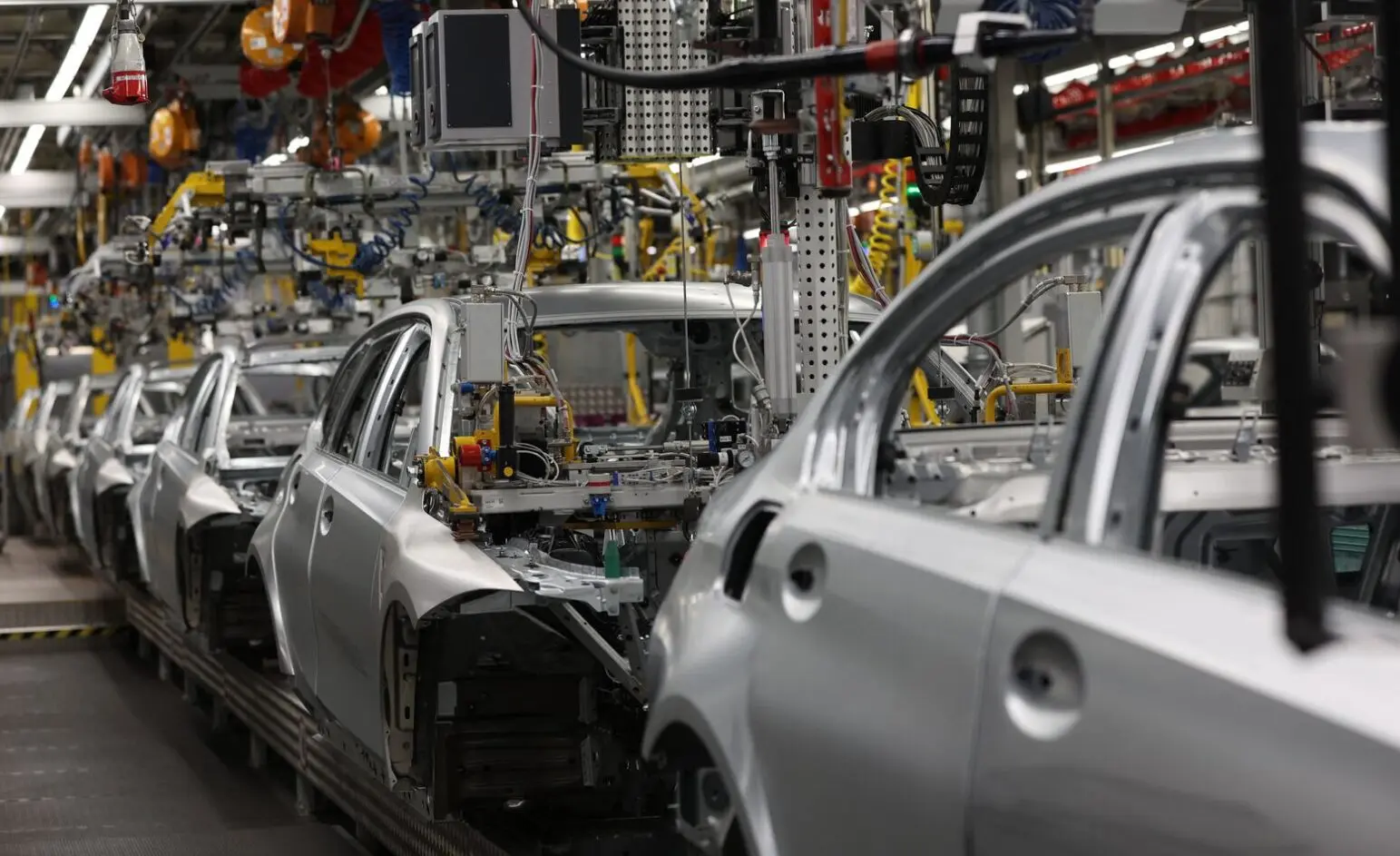
The vehicle channel carries much of it: German exports of motor vehicles and vehicle parts to the United States fell 17.2 percent in the half.
The aggregate picture
Total exports were 817.8 billion euros, up 3.9 percent year on year, an increase of 31.0 billion. Imports were 712.1 billion euros, up 4.7 percent, an increase of 31.7 billion. The trade surplus edged down to 105.7 billion euros from 106.4 billion — a half-year in which import growth outpaced export growth by enough to narrow it.
By product, motor vehicles and parts remain the largest export category at 124.7 billion euros, down 5.8 percent. Machinery was 107.7 billion, down 0.9 percent. The one substantial gain came in data-processing equipment and electrical and optical products, up 9.5 percent to 73.1 billion. Chemicals rose 1.4 percent to 71.6 billion.
Among individual partners, exports to France rose 7.6 percent to 63.2 billion euros and exports to the Netherlands rose 9.0 percent to 60.5 billion.
What it means
Two of Germany’s three largest goods relationships are shrinking on the export side at once — down 12.2 percent to China and down 6.1 percent to the United States — while imports from both rise. Total exports still grew 3.9 percent, so European and other markets absorbed the difference. The composition has changed, and the surplus that has defined the German external position for two decades narrowed in this half rather than widening.
Sources
- Destatis, press release No. 296, German exports in the first half of 2026, 20 August 2026
- Destatis, press release No. 056, China again Germany’s most important trading partner in 2025, February 2026