Egyptians Abroad Sent Home a Record 47.3 Billion Dollars
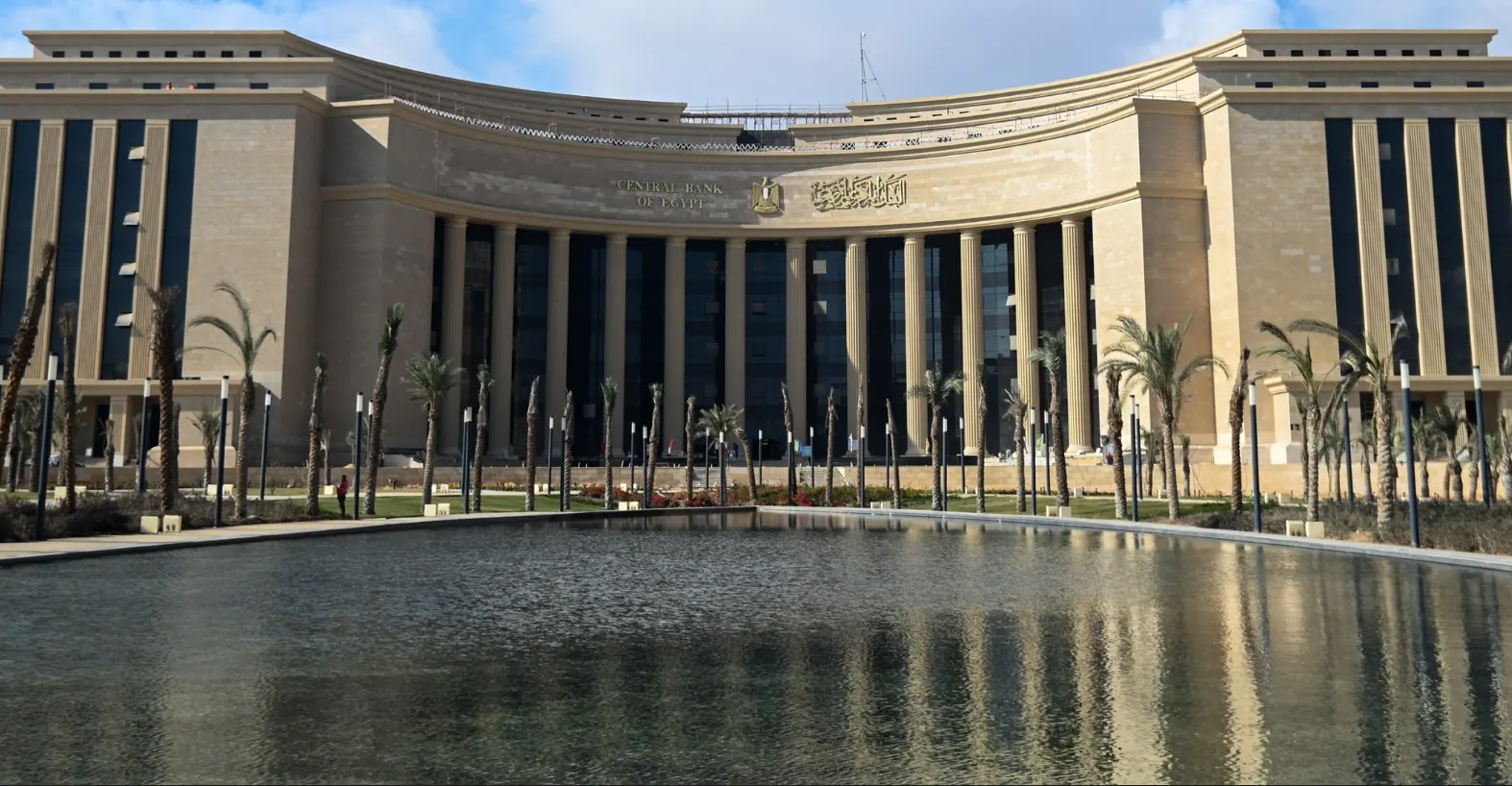
The Central Bank of Egypt confirmed on 19 August that remittances from Egyptians working abroad reached 47.3 billion dollars in financial year 2025/26, against 36.5 billion the year before, a rise of 29.6 percent.
We forecast that number on 9 July, when the eleven-month figure stood at 43.1 billion and we wrote that the full year would close near 47 billion. It closed at 47.3. June alone brought 4.2 billion dollars, up 15.6 percent on June 2025.
The confirmation is not the interesting part. The question the July piece left open is the one worth answering now: who is actually paying it.
Where Egyptian migrants are, and what that does not prove
The World Bank’s ranking of destinations for Egyptian migrants runs, in order: Saudi Arabia, the United Arab Emirates, Kuwait and Qatar, followed by Jordan, Italy and the United States. Four of the top four are GCC states.
On the last detailed measurement the World Bank published, Saudi Arabia alone accounted for a third of Egypt’s total remittances.
That figure is for 2022, and it is where the evidence stops. Neither the Central Bank of Egypt nor CAPMAS publishes a country breakdown, and the World Bank’s bilateral matrix has not been updated since 2021. There is no source that allocates this year’s 47.3 billion dollars by country, and a rise in the total does not establish that Gulf-sourced transfers rose with it — the geographic mix could have shifted. What the historical data explains is why the Gulf has traditionally been central to this flow. It cannot tell us who paid for 2025/26.
Why it still matters to Gulf readers
We reported on 26 June that migrant workers across the six GCC states sent an estimated 124 billion dollars home in 2024, and that regional disruption was putting that channel under strain. Egypt is the largest single recipient of that flow.
On the structure of Egyptian migration, GCC labour markets have long been the principal origin of this channel, and the two figures sit together uncomfortably. Egypt’s external position has been underwritten by transfers during a period when Gulf economies are absorbing a shipping disruption of their own. If GCC labour demand were to soften, Egypt’s balance of payments is where it would show.
The aggregate has not softened. That is what the 47.3 billion establishes, and it is all it establishes.
Why the size of it matters
On the Central Bank’s nine-month balance of payments, remittances at 34.9 billion dollars exceeded total merchandise exports of 31.49 billion. On that data, the largest single external inflow Egypt records is not a good, a service or an asset. It is wages earned abroad and sent back.
Unlike portfolio inflows it creates no external liability and does not reverse on sentiment. The IMF records the pound depreciating about 14 to 17 percent from peak to trough in March on capital outflows during the regional disruption, then recovering to leave the currency only about 2.5 percent weaker than before it. Through that entire quarter this inflow ran above 4 billion dollars a month.
Where it sits now
Net international reserves reached a record 56.29 billion dollars at end-July, and the Monetary Policy Committee held rates for a fourth consecutive meeting this morning. Remittances support the external account without creating a liability, which is a materially different thing from borrowed reserves — though the two cannot be mapped one for one, since reserve accumulation reflects the whole balance of payments and the Central Bank’s own operations.
Sources
- Central Bank of Egypt, remittances of Egyptians working abroad, financial year 2025/26, 19 August 2026
- Central Bank of Egypt, balance of payments, first nine months of financial year 2025/26, released 12 July 2026
- International Monetary Fund, Arab Republic of Egypt, Seventh Review under the Extended Arrangement, Country Report No. 26/224, 13 August 2026
- World Bank, Migration and Development Brief 38, June 2023
- World Bank, top destination countries for Egyptian migrants, December 2024