Apple’s Foldable Lands at 1,999 Dollars and the Pro Rises 100: The Event Against Our Numbers
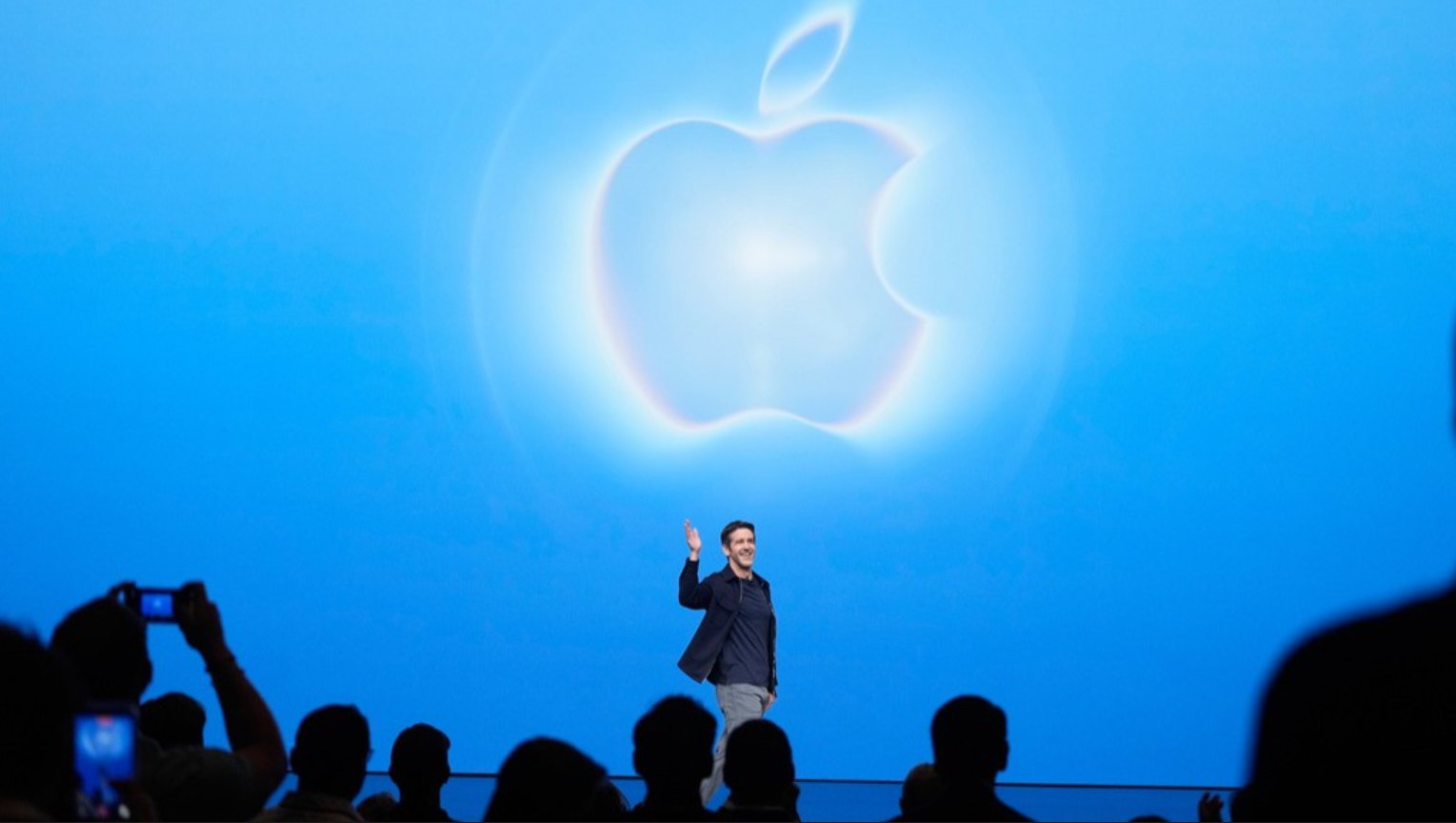
Apple priced its first foldable iPhone 1 dollar below the 2,000 dollar floor in the roadmap report we carried on 7 September. The iPhone Duo starts at 1,999 dollars in the United States, with pre-orders from 16 October and availability from 23 October in more than 70 countries and regions including the UAE, per Apple’s press release, and John Ternus’s first event as chief executive also raised the price of the iPhone 18 Pro and Pro Max by 100 dollars each, to 1,199 and 1,299 dollars, while leaving the Apple Watch unchanged, per the wire reports against last year’s models. The shares did not reward the launch: they were down 1.8 percent at the end of the presentation, per Reuters, and recovered most of that fall to close at 315.34 dollars, 0.28 percent lower on the day, on the vendor’s settled read. Against the numbers we published on 7 September, the event confirmed the product, came in 1 dollar under the 2,000 dollar floor, and put the price response to the memory shortage on the Pro line rather than the foldable, on our reading.
What was announced, and what it costs
The iPhone Duo opens to a 7.6 inch inner display and closes to a 5.4 inch outer one, is built from grade 5 titanium, runs the A20 Pro chip built on a 2 nanometre process, and uses Apple’s own C2 modem, per the release, which puts storage at 256 gigabytes to 2 terabytes and quotes 83.29 dollars a month over 24 months as the alternative to the 1,999 dollar price. The device reaches 28 further countries on 30 October. The iPhone 18 Pro starts at 1,199 dollars and the Pro Max at 1,299, each 100 dollars above last year’s starting prices, per the wire reports, a rise of 9.1 and 8.3 percent on our calculation; both go on pre-order on Saturday 12 September and ship on 18 September in more than 65 countries and regions, again including the UAE. Apple Watch Series 12 stays at 399 dollars and the Ultra 4 at 799, and AirPods 5 cost 129 dollars, or 149 with a wireless charging case, all available from 18 September, per the releases.
The price structure is the financial story of the day, on our reading. CNBC’s live coverage described the 1,999 dollar price as in line with competitors and below much of what Wall Street expected, citing an IDC expectation of 2,500 dollars or more and a JPMorgan floor of 1,999 dollars, and it recorded the Pro increases as coming amid a global component shortage, especially memory, the same shortage Tim Cook called out on the July earnings call and which we traced in our article of 7 September through an inventory that nearly doubled, with the build concentrated in components. A Pro that costs 9 percent more and a foldable that came in 1 dollar under the floor point the same way: Apple is protecting the margin on the volume product and pricing the new category to sell out rather than to maximise the ticket, on our reading. Reuters also reports that IDC expects Apple to sell every foldable it can produce and to take a 40 percent share of the foldable segment by the end of next year, a segment the live coverage puts at about 2.2 percent of smartphone shipments so far this year, citing the same researcher.
Against the Chinese foldables launched on Monday
Our 7 September article placed the Apple foldable, expected above 2,000 dollars, above Xiaomi’s 18 Fold entry price and below Huawei’s Mate XT2, with its position against Xiaomi’s top configuration left open. The announced price settles that question. At 1,999 dollars the Duo starts 22 percent above Xiaomi’s 10,999 yuan entry price, about 1,640 dollars, but 11 percent below the 14,999 yuan top of Xiaomi’s range in the report we carried, about 2,235 dollars, and 33 percent below the 19,999 yuan floor of Huawei’s tri-fold, about 2,980 dollars, on our calculation at the 6.71 yuan per dollar rate we used on Monday. In yuan terms the Duo’s US price converts to about 13,400, inside Xiaomi’s range; Apple’s Chinese price was not in the releases we read and is not carried. China is in the first pre-order wave on 16 October, per Apple. The comparison is of list prices, not of like for like devices: Huawei’s phone folds twice, and Xiaomi quoted a 219 gram weight; we carry no weight for the Duo.
The shares: a third straight session lower, and the 2 day move
Apple closed at 315.34 dollars on Wednesday, 0.28 percent lower, on the vendor’s reads at 20:06 and 20:26 GMT, having traded as low as 309.90, after opening at 315.49 and popping briefly to 318 before falling for almost the entire nearly 80 minute presentation, per CNBC, which noted during the session that the stock was falling for a third straight day and the fourth in 5 “as investors prepared to be underwhelmed”. Against the 319.97 dollar close of Friday 4 September that we published on Monday, the shares are 1.45 percent lower over the 2 sessions since, on our calculation, and 8.5 percent below the 52 week high of 344.57 dollars; at 14.59 billion shares the close values Apple at about 4.60 trillion dollars, on our calculation, against about 5.39 trillion for Nvidia at its own close of 223.67 dollars, down 0.91 percent, on the vendor’s share counts. The pre-event note in the same coverage that KeyBanc, one of the very few brokers tracked by FactSet with a sell rating on the stock, expected the event to be “likely a negative catalyst” because a large increase in prices would hurt volume sales while a minimal change would amplify the focus on gross margins, reads as the frame the market applied: the 100 dollar Pro increase is the large increase, on the volume product, on our reading. The wider market was also lower, the Dow down 0.77 percent and the Nasdaq 100 down 0.29 percent on the vendor’s settled reads, so the close shows little sign of a launch specific penalty beyond the tape; the fall through the presentation and the 1.8 percent reading at its end are where the event reaction sits, on our reading.
| Device | US starting price | Pre-order | Availability |
|---|---|---|---|
| iPhone Duo | $1,999 | 16 October | 23 October |
| iPhone 18 Pro Max | $1,299 (+$100) | 12 September | 18 September |
| iPhone 18 Pro | $1,199 (+$100) | 12 September | 18 September |
| Apple Watch Ultra 4 | $799 (unchanged) | 9 September | 18 September |
| Apple Watch Series 12 | $399 (unchanged) | 9 September | 18 September |
| AirPods 5 | $129, $149 with wireless charging case | 9 September | 18 September |
US prices and dates from Apple’s press releases of 9 September, ranked by price; the 100 dollar increases and the unchanged watch prices are as reported by the wires against last year’s models. iPhone Duo reaches 28 further countries on 30 October and the 18 Pro models 20 further countries on 25 September, per Apple.
| Device | Starting price | Availability |
|---|---|---|
| Huawei Mate XT2, tri-fold | 19,999 yuan (about $2,980) | Sales from 12 September |
| Apple iPhone Duo | $1,999 (about 13,400 yuan) | Pre-orders 16 October, sales 23 October |
| Xiaomi 18 Fold | 10,999 yuan (about $1,640) | Announced 7 September |
Starting prices ranked from highest; Huawei and Xiaomi from CNBC Arabia’s report of 7 September as carried in our article of that date, Apple from its 9 September release. Conversions are ours at 6.71 yuan per dollar, the rate used on 7 September; Apple’s China price was not published in the releases we read.
| Session | Close, $ | Change |
|---|---|---|
| Wednesday 9 September, event day | 315.34 | -0.28% |
| Tuesday 8 September | 316.22 | -1.17% |
| Friday 4 September | 319.97 | -2.51% |
| Thursday 3 September | 328.21 |
Apple closes from the vendor’s quotes: the 4 and 3 September figures as read for our article of 7 September, the 8 September close from the vendor’s prior close field, and the 9 September close from the vendor’s reads at 20:06 and 20:26 GMT, identical, in session order. Changes are our calculation; no change is shown for 3 September because its prior close was not read.
Why it matters: The numbers we set out on Monday were a 2,000 dollar plus foldable, a 50.1 percent gross margin that Apple itself said included about 2 percentage points of tariff refunds, and an inventory build concentrated in components. Wednesday’s prices tell us how Apple intends to defend that margin: not through the foldable, which came in under the expected floor, but through a 100 dollar increase on the Pro models that carry the volume, with the memory shortage as the backdrop in the reporting. The iPhone brought in 209.6 billion dollars, just over half of Apple’s sales, in the last fiscal year, per the wire report of the event, so a 9 percent list price increase on the Pro tier matters more to the September and December quarters than any plausible foldable volume, on our reading. The market’s response, a third straight session lower and a fall through the presentation that was mostly recovered by the close, is consistent with the pre-event view that the launch was priced in and that the risk sat in volumes; it is not evidence about the foldable, which does not ship for more than 6 weeks.
Outlook: The first demand signal is the 18 Pro’s pre-order weekend from 12 September and the 18 September ship date, and the second is the Duo’s pre-order on 16 October, after Apple’s fiscal year has closed, so the first foldable revenue lands in the December quarter, the first of fiscal 2027. Apple’s September quarter guidance of 9 to 11 percent revenue growth, which we carried on Monday, now has a 100 dollar Pro increase behind it for the final days of the quarter. The Chinese price of the Duo, when Apple publishes it, will set the direct comparison with Xiaomi and Huawei that Wednesday’s US price only approximates, and the 16 October pre-order in China, nearly 5 weeks after Huawei’s 12 September sales start, is where that contest begins.
Sources: Apple, CNBC, Reuters, CNBC Arabia, IDC via CNBC and Reuters, The Edge.