Apple Seeks US Clearance to Buy CXMT Memory Chips as AI Demand Drives Up Component Costs
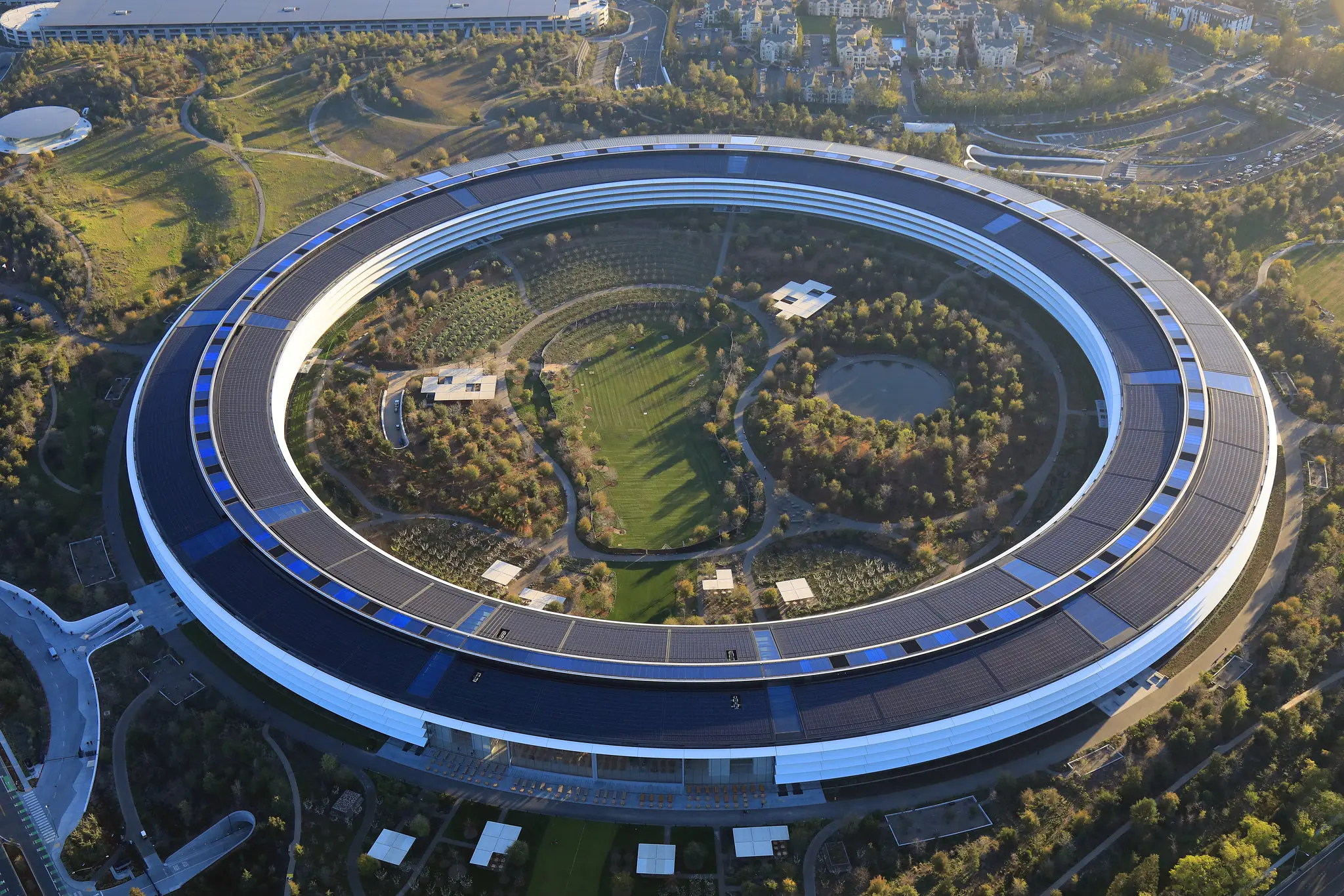
Apple has asked US officials for clearance and policy assurances to buy memory chips from ChangXin Memory Technologies, a Chinese DRAM manufacturer listed by the US Department of Defense under Section 1260H, as it looks to contain rising memory and storage costs, according to a Financial Times report carried by Bloomberg on 27 June. Apple is not currently barred from using CXMT, and the request reflects the growing tension between supply-chain economics and US technology-security policy.
The distinction in US designations is important. The Section 1260H list identifies companies the Pentagon links to China’s military sector, whereas a placement on the Commerce Department’s Entity List would create a far more restrictive licensing regime. Apple is reportedly seeking comfort that CXMT will not face that tighter restriction, which could disrupt future sourcing. The company approached the Commerce Department more than a month ago and has engaged other officials in Washington.
The AI link to prices
The commercial logic is clear. Memory markets have tightened sharply as artificial-intelligence data centers absorb larger volumes of DRAM, storage and high-performance memory, shifting pricing power toward memory producers. Apple has already raised prices on parts of its MacBook and iPad range, explicitly citing volatile memory-chip costs tied to the AI boom, a concrete sign that AI-driven input demand is feeding through into consumer-product pricing rather than staying confined to chipmakers and data-center operators.
CXMT therefore matters as a supply and bargaining option. Apple’s established memory suppliers include Samsung Electronics, SK Hynix and Micron, and adding or preserving access to a Chinese supplier could improve its negotiating position, diversify supply and reduce dependence on a narrow set of vendors at a moment when AI demand has handed pricing power to memory makers.
Why it matters
This is a practical example of AI-related cost pressure moving through the global economy. The first stage of the AI boom lifted demand for chips, servers, electricity and data-center capacity; the second stage is now visible in broader technology costs, as consumer-electronics firms compete with AI infrastructure for the same memory supply. For MENA economies the signal is directly relevant: Gulf governments, telecom operators and sovereign platforms are expanding data centers and cloud capacity, so sustained memory and storage cost inflation makes regional AI build-outs more expensive and data-center economics more sensitive to supply conditions. It also complicates the long-held assumption that technology goods are reliably disinflationary, since a prolonged AI-driven memory shortage would temporarily push selected electronics prices higher.
Outlook
The near-term signal is whether Washington provides the assurances Apple is seeking. A supportive response would give Apple more sourcing flexibility but could attract political scrutiny; a negative one would leave it more dependent on existing suppliers while AI data-center demand stays strong. The broader question is whether the memory shortage is cyclical or structural: if new capacity catches up, the pressure eases, but if AI infrastructure keeps absorbing incremental supply, device makers face a longer stretch of margin pressure, higher prices and harder supply-chain trade-offs.
Sources: Financial Times; Bloomberg; CNBC.