UAE Banking Assets Reached 5.3 Trillion Dirhams as the Bad Loan Ratio Fell to 3.3 Percent
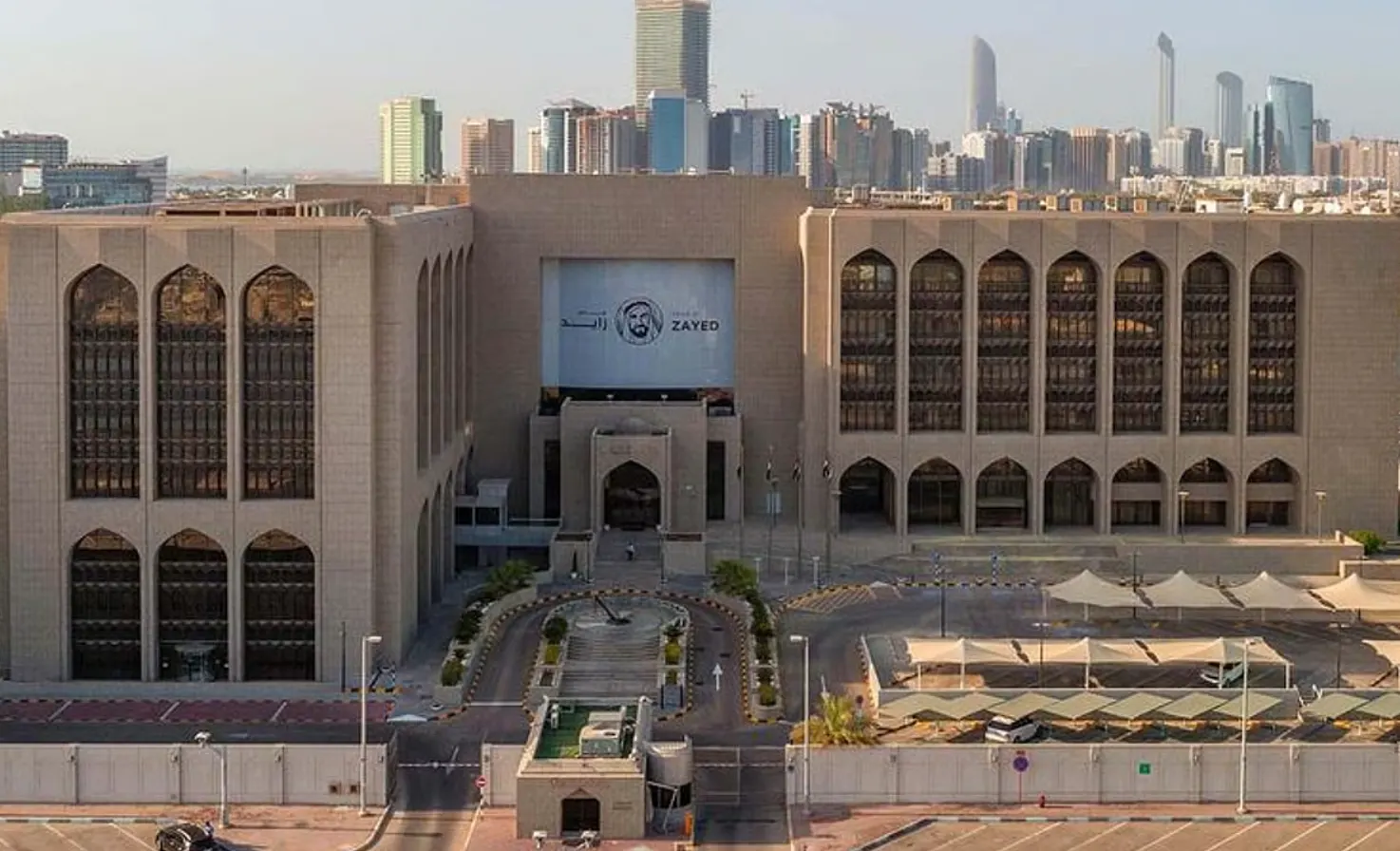
The Central Bank of the UAE published its Financial Stability Report for 2025 on 17 August. Total banking system assets rose 17.1 percent to 5.3 trillion dirhams, the loan portfolio grew 17.8 percent, and net profits rose 11.7 percent to 90.8 billion dirhams.
The asset quality trend is the finding. The non-performing loan ratio fell to 3.3 percent, from 4.7 percent in 2024 and 8.2 percent in 2020. That is a decline of 4.9 percentage points in five years, and it happened while the loan book was growing at 17.8 percent. Credit expansion and falling impairment usually pull against each other. The ratio continued to improve despite that expansion. The headline data alone do not isolate how much of the improvement came from resolving impaired exposures and how much from growth in the denominator.
| UAE banking system | 2020 | 2024 | 2025 |
|---|---|---|---|
| Non-performing loan ratio | 8.2% | 4.7% | 3.3% |
| Total assets | AED 5.3trn, +17.1% | ||
| Loan portfolio growth | +17.8% | ||
| Net profits | AED 90.8bn, +11.7% | ||
| Capital adequacy ratio | 17.0% |
Profit growth lagged balance sheet growth, and that is worth noting. Assets grew 17.1 percent and loans 17.8 percent, while net profit grew 11.7 percent. Earnings are therefore growing more slowly per unit of balance sheet expansion. Attributing that gap to margins, to provisioning or to portfolio mix would require the income decomposition, which is not in the headline figures. The report attributes loan growth to domestic retail and private corporate lending.
The stress test result is the number to keep. Under the 2025 supervisory adverse scenario, average common equity tier one capital falls from 14.1 percent to a trough of 11.1 percent. That is a 3.0 percentage point drawdown, and the central bank states the stressed ratio remains above minimum requirements. The 3.0 points measure the fall from start to trough, not the buffer left above the minimum, which the headline figures do not give. The size of the drawdown is the more useful figure than the headline capital adequacy ratio of 17.0 percent.
Why it matters: A banking system growing its loan book at 17.8 percent while impairments fall and capital holds at 17.0 percent is expanding from a position of strength rather than reaching for growth. The gap between 17.8 percent loan growth and 11.7 percent profit growth is the line to monitor, and the headline figures do not identify its cause.
Outlook: The report also covers insurance, Islamic banking, the central bank’s FIT Programme, the Aani instant payment platform and the Jaywan card scheme. Governor Khaled Mohamed Balama is quoted in the release. The next test of the asset quality trend is whether the ratio continues falling once the current lending cohort seasons.
Sources: Central Bank of the UAE, Financial Stability Report 2025, published 17 August 2026.