China’s Softer Data Brings the Rate Cut Option Back Into Focus
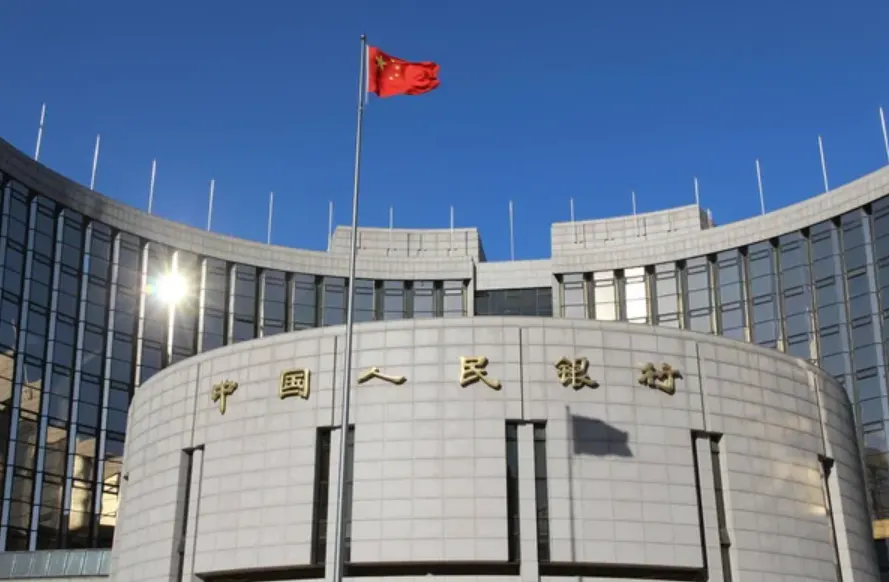
A further cut in Chinese interest rates this year remains possible, though not assured, as signs of softer domestic demand renew the debate over how much additional policy support the economy may need.
Huang Yiping, a member of the People’s Bank of China monetary policy committee, said in an interview with Bloomberg Television that a rate cut “remains an option” in 2026, while adding that he was “not entirely sure it will actually happen.” He stressed that monetary easing alone would not be enough, pointing to the need for targeted support that strengthens technological innovation and improves living standards.
A mixed backdrop
China’s policy debate is taking place against a mixed economic picture. Official data showed consumer spending growing only modestly, with retail sales soft in May, while fixed asset investment weakened over the first five months of the year. At the same time, industrial production continued to expand, supported by strong growth in high tech manufacturing and advanced production segments.
This combination of soft domestic demand and resilient industrial output helps explain why policymakers may keep easing on the table without committing to aggressive rate cuts. Lower borrowing costs could support demand and confidence, but further reductions would also add pressure to China’s banking system, where net interest margins have already fallen to historically low levels, around 1.4 percent.
Why it matters
China remains the world’s second largest economy and a major driver of global trade, manufacturing supply chains and commodity demand. Any shift in Chinese monetary policy matters beyond domestic markets, especially for exporters, commodity producers and energy suppliers.
For the Gulf, Chinese demand remains an important factor for oil, petrochemicals, metals and broader trade flows. A more supportive policy stance in China could help stabilise global demand expectations, while a more cautious approach would signal that policymakers remain focused on financial stability and targeted support rather than broad based stimulus.
Outlook
The path of Chinese interest rates will depend on incoming data, especially retail sales, investment, inflation and credit conditions. The latest signals suggest that easing remains possible, but policymakers are likely to move carefully as they balance support for growth against pressure on bank profitability and the need to preserve financial stability. The near term policy mix is therefore likely to combine modest monetary support with more targeted fiscal and structural measures aimed at consumption, innovation and higher quality growth.
Sources: People’s Bank of China (Huang Yiping, monetary policy committee); National Bureau of Statistics of China; Bloomberg.