The Dollar Hits Its Highest Level in More Than a Year as Major Central Banks Turn More Hawkish
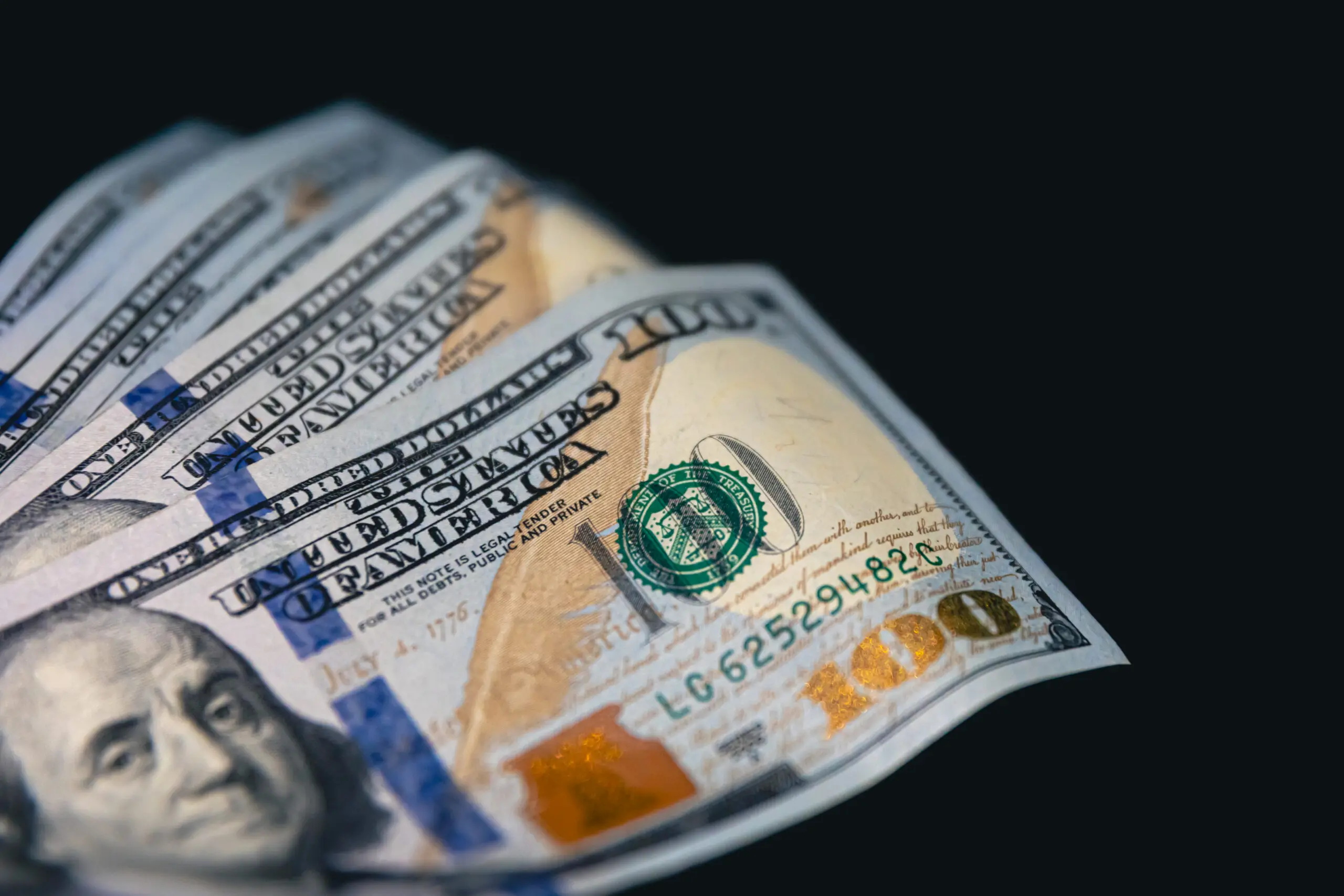
The US dollar has climbed to its strongest level in more than a year as investors reprice the outlook for global interest rates, betting that the Federal Reserve and other major central banks will keep policy tighter for longer. The ICE US Dollar Index traded around 101, while the Japanese yen slid toward its weakest level in almost four decades.
The shift followed the Federal Reserve’s latest policy meeting, the first under its new chair, which markets read as hawkish. The Fed kept its target range unchanged at 3.50 to 3.75 percent, but its updated projections showed no rate cut in the median path for 2026, leading investors to price in the possibility of higher US rates this year even as oil prices eased and some inflation fears receded. According to the CME FedWatch tool, as reported by CNBC Arabia, markets put the probability of a rate increase at the July meeting at about 36 percent, up from roughly 9 percent a week earlier.
Banks reprice the path
The repricing has been broad. Bank of America now expects the Federal Reserve to raise interest rates three times in 2026, taking the target range to about 4.25 to 4.5 percent. Citigroup has pushed back its forecast for US rate cuts as the Fed signals a more restrictive stance.
Other major central banks are sending similar signals. The Bank of England held its policy rate at 3.75 percent on a 7 to 2 vote, with two members voting for an immediate increase to 4.00 percent, while a former Bank of Japan official suggested the BoJ could raise rates further before March. Together, the moves point to a synchronised shift in tone, with policymakers more focused on containing inflation than on easing.
Why it matters for the region
A stronger dollar and a more hawkish Fed have direct implications for the Gulf. Because most GCC currencies are pegged to the US dollar, US monetary policy transmits straight into regional interest rates and liquidity conditions, tightening financial conditions even as local inflation stays contained. A firmer dollar also weighs on dollar priced assets such as gold, which has pulled back from record highs.
For regional borrowers, governments and banks, the prospect of higher for longer US rates raises funding costs and reinforces the case for disciplined balance sheets. For savers and reserve managers, higher yields increase the appeal of cash and fixed income relative to non yielding assets.
Outlook
The near term path for the dollar and global rates will hinge on US inflation data, especially core PCE, and on how firmly the Federal Reserve signals its intentions. Sustained hawkish guidance would keep the dollar supported and pressure currencies such as the yen, while any softening in the data could ease the move. For the Gulf, the key channel to watch remains the pass through from US policy to regional liquidity and asset prices.
Sources: Federal Reserve; ICE US Dollar Index (CNBC); CME FedWatch (via CNBC Arabia); Bank of America; Citigroup; Bank of England; Bank of Japan (former official, via CNBC Arabia); Bloomberg.