Egypt Raises Export Support by an Average 35% and Adds US and Southeast Asian Markets
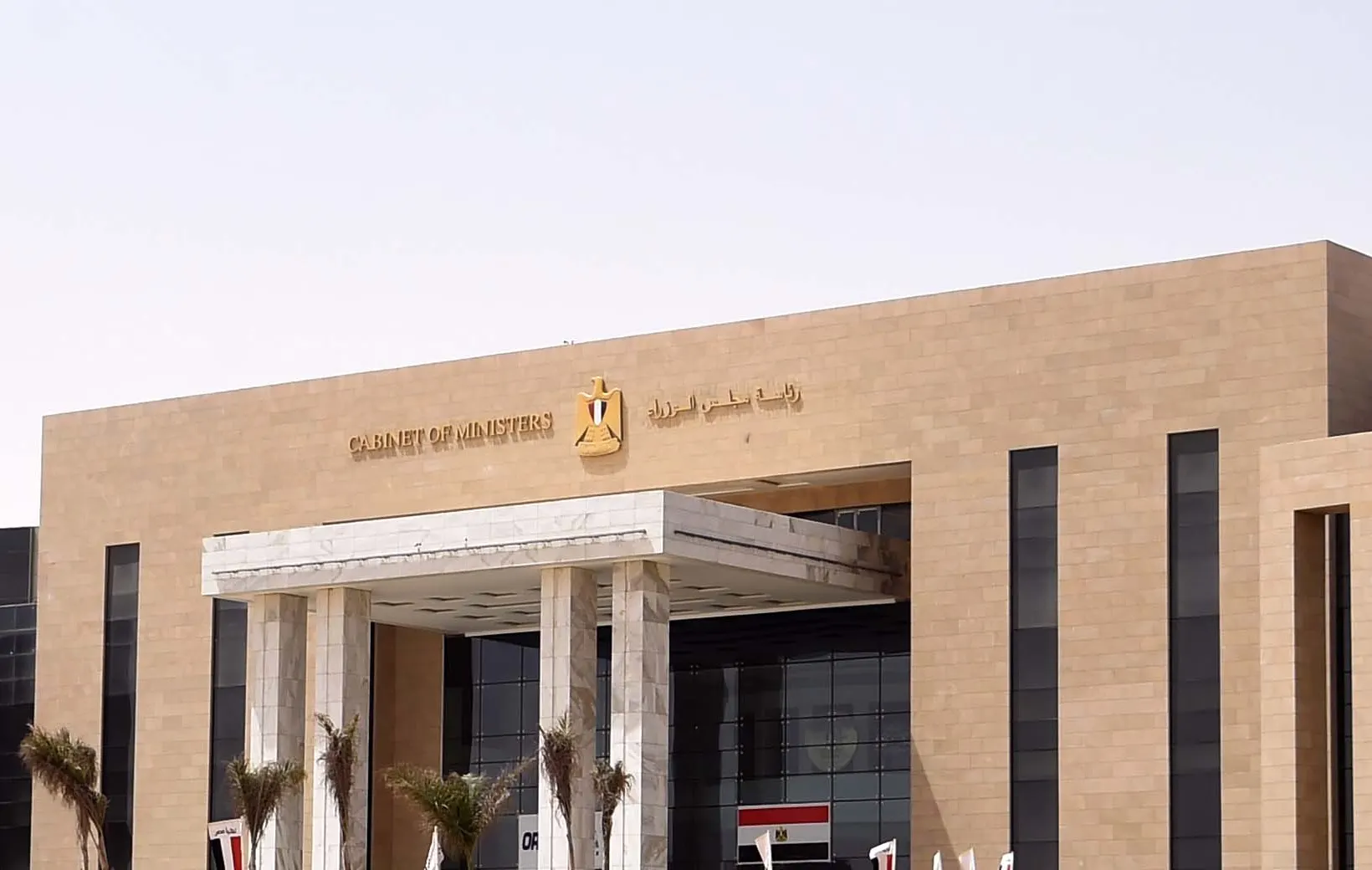
Egypt’s Cabinet approved a new export rebate programme on 5 November that raises export support by an average of 35%, applying to shipments from the start of November.
For Egyptian exporters, the decision puts rates on the update ordered at Egypt Forum 2026: higher base support across ten programme groups, freight support of up to half the transport cost, and new target markets in the US and 11 Southeast Asian countries. In The Edge’s reading, the freight pillar matters most for sales outside Europe: sea and land shipments to Africa, Latin America, Australia, Southeast Asia and Russia get half their transport cost covered, the top rate in the shipping pillar, shared only with air freight to England.
The meeting, chaired by Prime Minister Mostafa Madbouly, acted on directives President Abdel Fattah El-Sisi gave at the forum to update the programme and raise support for promising sectors. The statement linked the update to challenges arising from geopolitical developments, international trade measures and other changes affecting Egyptian exports and their competitiveness abroad.
Minister of Investment and Foreign Trade Mohamed Farid said the new design restructures the pillars and mechanisms of the support system to fit international economic and trade developments, so that support is directed more effectively. Its stated aims are to lighten the costs exporters bear, raise the competitiveness of Egyptian products, increase exports and open new markets.
The plan to update the programme was set out on our site on 5 November, when Farid said it would go to the Cabinet and be announced once approved; no amounts were given then. The approval now attaches rates, markets and a timetable.
Base support rises an average 35% across ten programme groups
The first of three pillars covers base support and incentives. The increase averages 35% and is set according to each sector’s nature, challenges and requirements, so individual programmes will not all move by the same rate. Free zones are excluded.
The rise applies to every beneficiary programme. The textile group spans four lines: ready-made garments, garment accessories, home furnishings, and spinning and textiles.
The medical group runs from medical supplies and devices to cosmetics and medicine exports, and includes support for registering medicines, medical supplies and medical devices. Building materials, refractories and metal industries take in marble and granite, insulating materials, galvanising and cold rolling, flat glass, wire and nail drawing, and ceramics.
Programme groups covered by the increase
| Programme group | Lines named |
|---|---|
| Textile industries | Garments; garment accessories; home furnishings; spinning and textiles |
| Agricultural crops | Whole programme |
| Food industries | Whole programme |
| Engineering industries | Whole programme |
| Medical, pharmaceuticals and cosmetics | Medical supplies; medical devices; cosmetics; medicine exports; registration support |
| Furniture | Whole programme |
| Leather goods and footwear | Whole programme |
| Chemicals, packaging and books | Whole programme |
| Building materials, refractories and metals | Marble and granite; insulation; galvanising and cold rolling; flat glass, wire and nails; ceramics |
| Handicrafts and crafts | Whole programme |
Free zones are excluded. The statement gives an average increase of 35%, set sector by sector, and no rate for each programme.
The programme keeps the existing rules for paying out support, with one amendment to clause four of the general rules. Every company must now submit files complete with all required data and documents, and each file is checked for completeness before it is accepted and its receipt recorded.
The statement ties the change to keeping inspection and review regular and to avoiding a build-up of incomplete files that delays payments.
Freight support covers half the sea and land cost to five target destinations
The second pillar reworks the shipping support system. Sea and land transport to the target destinations, namely Africa, Latin America, Australia, Southeast Asia and Russia, receives support of 50% of the transport cost.
Air freight support is set at 25% for Europe and 50% for England, the latter under the agricultural crops programme. The fast vessel service receives 25% of the electronic invoice, under the applicable rules.
Inland transport is supported at 25% of its cost. Cargo insurance is supported at 25% of the value of the approved insurance policy.
Freight and insurance support (rates in %)
| Support line | Rate | Basis and markets |
|---|---|---|
| Sea and land transport | 50 | Transport cost; Africa, Latin America, Australia, Southeast Asia, Russia |
| Fast vessel | 25 | Electronic invoice, under the rules |
| Air freight | 25 | Europe |
| Air freight | 50 | England, crops programme |
| Inland transport | 25 | Transport cost |
| Cargo insurance | 25 | Approved insurance policy value |
Rates as printed in the 5 November statement.
Sea and land shipping to the five destinations is supported at 50% of transport cost, twice the 25% rate for inland transport on the same cost basis. The 50% air rate for England is the only air line at that level, and it is confined to agricultural crops.
US and 11 Southeast Asian markets join the target list
The programme continues the additional incentives of the current scheme and adds the United States and 11 Southeast Asian countries to its target markets. They are Thailand, Vietnam, Cambodia, Laos, Myanmar, Indonesia, Malaysia, Singapore, the Philippines, Brunei and Timor-Leste.
Southeast Asia therefore appears twice in the new design: on the enlarged list of target markets, and among the destinations for 50% sea and land freight support. The statement does not say what incentives the new markets will carry.
The third pillar, services, keeps support for activities that develop exports and raise exporters’ efficiency, namely trade fairs and training and capacity building, under the rules now in force.
Two phases run to July 2027
The programme is designed to run in two phases. The short-term phase, before the end of 2026, aims at a quick effect on export growth and at drawing new companies into the programme.
The medium-term phase, dated July 2027, aims to address the challenges facing Egyptian exports and to take up the export opportunities available.
The statement gives rates, markets and an average, but no total budget, no cost estimate and no rate for each programme. Because the 35% figure is an average, the support any one exporter receives will depend on its sector, and free-zone exporters are outside the increase.
What to watch:
The short-term phase is due before the end of 2026, on the timetable in the 5 November statement.
The medium-term phase is dated July 2027.
Figures are from the Egyptian Cabinet’s statement on the new export rebate programme, issued 5 November 2026; counts and comparisons not attributed to a source are The Edge’s calculations.
Sources: Egyptian Cabinet, The Edge.