Egypt Raises Treasury Bond Issuance to EGP 123.4 Billion as High Yield Debt Demand Remains Strong
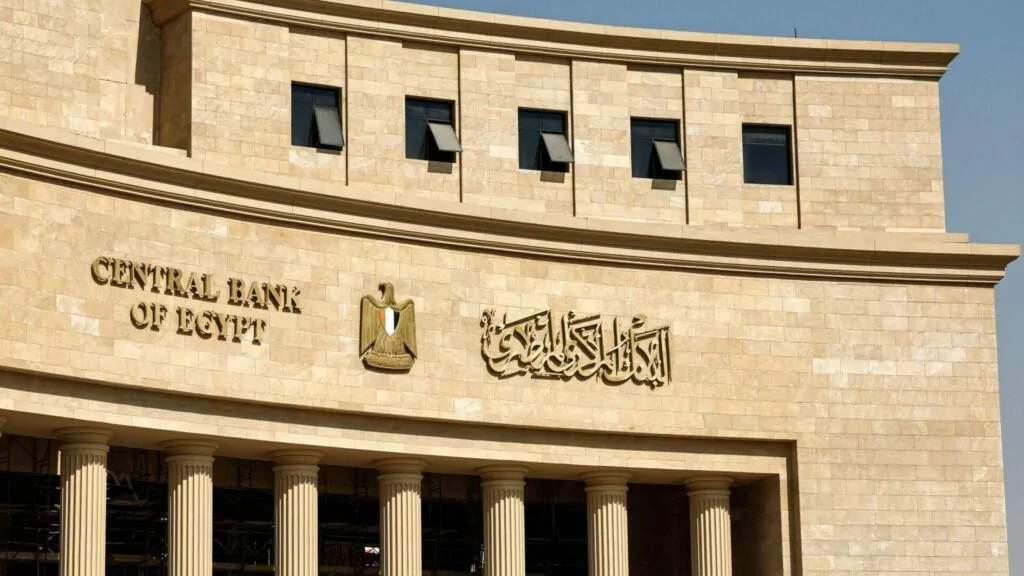
Egypt’s Central Bank has increased the size of a treasury bond issuance maturing in May 2029, highlighting the government’s continued reliance on domestic debt markets and the sustained appetite among investors for high yielding local currency sovereign securities.
According to Egyptian Exchange disclosures and market reporting, the reopening of subscription for the fixed rate treasury bond issue increased the total value of the issuance to approximately EGP 123.365 billion, after an additional subscription amount of EGP 2.465 billion. The issuance is distributed across 123.365 million bonds, each with a nominal value of EGP 1,000.
The bond carries a fixed annual coupon of 23.098%, with interest paid every six months on May 21 and November 21. The security matures on May 21, 2029, giving investors a remaining tenor of just under three years from early June 2026.
High Coupon Reflects Egypt’s Tight Monetary Conditions
The 23.098% fixed coupon reflects Egypt’s still elevated interest rate environment. The Central Bank of Egypt kept its key policy rates unchanged in May 2026, with the overnight deposit rate at 19.00%, the overnight lending rate at 20.00%, and the main operation rate at 19.50%.
For investors, the bond provides annual coupon income of EGP 230.98 for every EGP 1,000 bond, equivalent to around EGP 115.49 every six months. Based on the updated issuance value of EGP 123.365 billion, the annual coupon cost on this issue is approximately EGP 28.49 billion, or about EGP 14.25 billion per semi annual payment period.
The additional EGP 2.465 billion subscription alone adds an estimated EGP 569 million in annual coupon obligations, based on the same 23.098% coupon rate. This illustrates how even relatively small increases in high coupon debt issuance can add meaningfully to future debt servicing costs.
Real Yield Profile Has Improved as Inflation Moderates
The bond’s appeal is supported by the decline in inflation. Egypt’s annual urban headline inflation slowed to 14.9% in April 2026, down from 15.2% in March, according to Central Bank of Egypt data based on CAPMAS figures. Core inflation stood at 13.8%.
Against the 23.098% coupon, the bond offers a nominal spread of roughly 8.2 percentage points over annual urban headline inflation. On a simple inflation adjusted basis, the coupon implies an approximate real return of around 7.1%, before taxes, fees, price movements and reinvestment effects.
This helps explain why local currency fixed income remains attractive for investors seeking high nominal returns, particularly if inflation continues to ease while coupon rates remain elevated. For institutional investors, the combination of high coupon income and improving inflation dynamics may support continued demand for Egyptian pound government securities.
Domestic Debt Remains a Core Financing Tool
The increase in the issuance comes as Egypt continues to depend heavily on domestic debt instruments to finance budget needs and manage refinancing requirements.
Treasury bills and bonds remain a central source of government funding, supported by demand from banks, institutional investors, pension funds, insurers and other financial institutions. Reopening existing bond issues is also a standard market practice, as it increases the size of tradable securities, improves liquidity and reduces fragmentation across the yield curve.
However, the same high yields that attract investors also raise the government’s debt servicing burden. This creates a policy trade off. Elevated rates help support demand for Egyptian pound instruments, but they also keep fiscal financing costs high.
Fiscal Implications
The issuance highlights the pressure created by Egypt’s high interest rate cycle. A coupon above 23% locks in a substantial cost for the government until maturity, unless the bond is actively managed through future debt operations.
At the current issuance size, the government is expected to pay approximately EGP 28.49 billion annually in coupon payments on this bond alone. Over a semi annual payment schedule, this means roughly EGP 14.25 billion is payable every six months. These figures underline the fiscal impact of issuing large volumes of debt during periods of elevated interest rates.
For the broader fiscal position, the direction of inflation and monetary policy will be critical. If inflation continues to ease, the Central Bank of Egypt may eventually gain more room to reduce rates. Lower rates would help reduce future borrowing costs, but policymakers must balance this against inflation risks, currency stability and investor confidence.
Stronger Remittances Support External Liquidity
Egypt’s external position is also being supported by stronger remittance inflows. According to Central Bank of Egypt data cited in recent market reporting, remittances from Egyptians working abroad rose by 32% during July to March 2025/2026, reaching about USD 34.9 billion compared with USD 26.4 billion during the same period of the previous fiscal year.
Earlier CBE data also showed that remittances rose by 28.4% during July to January 2025/2026, reaching about USD 25.6 billion compared with USD 20.0 billion during the same period of 2024/2025. On a monthly basis, remittances increased by 21.0% in January 2026 to about USD 3.5 billion, compared with USD 2.9 billion in January 2025.
Stronger remittance inflows are important because they improve foreign currency liquidity, support confidence in the banking system and help reduce pressure on external financing needs. While remittances do not directly offset the government’s high domestic interest burden, they can strengthen the broader macroeconomic backdrop that influences investor appetite for Egyptian pound assets.
Market Outlook
The expanded issuance suggests that investor demand for Egyptian local currency sovereign debt remains resilient despite high borrowing costs.
The key market question is whether Egypt can maintain demand for domestic debt while gradually reducing financing costs over time. Continued disinflation would improve the real return profile for investors and may support further appetite for government securities. Strong remittance inflows may also help improve confidence in Egypt’s external position, particularly if foreign currency liquidity continues to strengthen.
However, high coupon obligations will remain a challenge for fiscal flexibility. The state’s ability to reduce future borrowing costs will depend on the pace of inflation moderation, monetary policy decisions, exchange rate stability and the depth of demand across the domestic debt market.
The main takeaway is that Egypt’s domestic bond market remains capable of attracting demand at high yields, but this support comes at a significant fiscal cost. The latest reopening of the May 2029 treasury bond strengthens liquidity in the issue and confirms investor appetite for high coupon sovereign debt, yet it also locks in a sizeable interest burden for the state over the coming years.
Source note: Analysis based on Egyptian Exchange disclosures, Central Bank of Egypt treasury bond and monetary policy data, CBE inflation releases based on CAPMAS data, and recent market reporting on the May 2029 fixed rate treasury bond reopening and remittance inflows from Egyptians working abroad.