
Fed Proposes Full Reserve and Capital Rules for Board Supervised Stablecoin Issuers
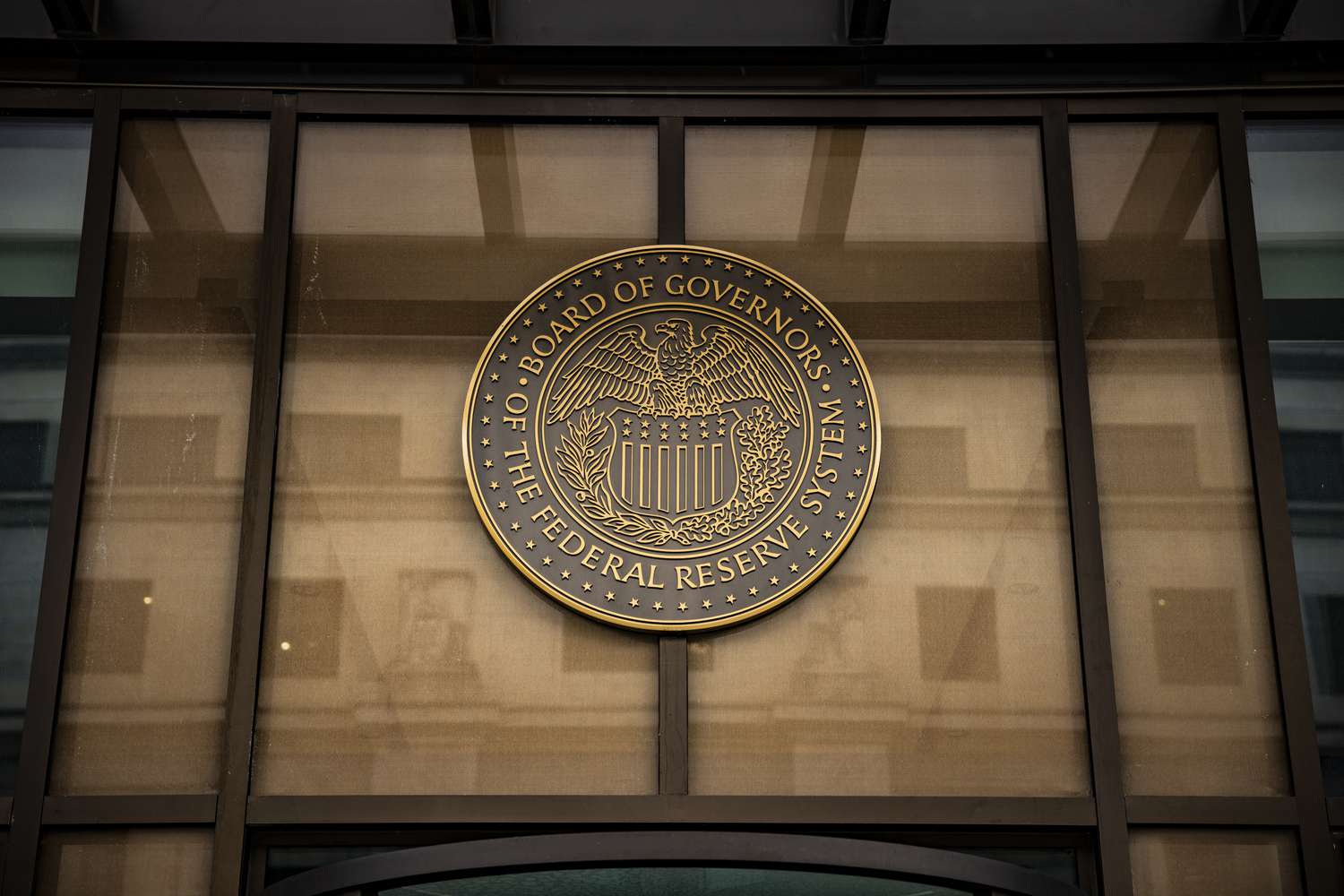
The Federal Reserve Board on 24 September requested public comment on two proposals that would set the regulatory framework for payment stablecoin issuers it supervises under the GENIUS Act. The first would require issuers to back their stablecoins fully with permissible reserve assets, such as short term Treasury bills and other high quality liquid assets, and would set standardised capital and risk management requirements.
What the first proposal covers
The capital requirements would address certain credit and operational risks of payment stablecoin activities. According to the Board’s memo, the proposal includes principles based standards for diversifying reserve assets, and permissible reserves include Treasuries with a remaining maturity of 93 days or less. It would also introduce rules for supervised firms that safekeep the assets backing payment stablecoins, and clarify which stablecoin and related activities are permissible for Board supervised banks.
The application process
The second proposal would set a tailored application process for Board supervised banks applying to issue payment stablecoins through a subsidiary. Applicants would submit a business plan and financial information, among other documents, and the proposal sets out a process for appeals, hearings and final determinations.
Who falls under the Board
Board supervised issuers are subsidiaries of insured state member banks approved to issue payment stablecoins, and uninsured state chartered depository institutions with 10 billion dollars or more in outstanding payment stablecoins that transition to the Board’s framework under the Act.
Why it matters: On our reading, by including short dated Treasuries among several permissible reserve assets, the proposal could channel part of any growth in Board supervised stablecoin reserves into Treasury bills and other eligible liquid assets, while the capital framework attaches explicit balance sheet costs to the operational and credit risks of issuing payment stablecoins.
Outlook: Comments close 60 days after publication in the Federal Register. The GENIUS Act takes effect on 18 January 2027, or 120 days after the primary federal regulators issue final implementing rules, whichever comes first.
Sources: Federal Reserve Board.