Jordan’s Real-Estate Trading Tops 3 Billion Dinars in the First Half as a June Rebound Offsets an Easier Start to the Year
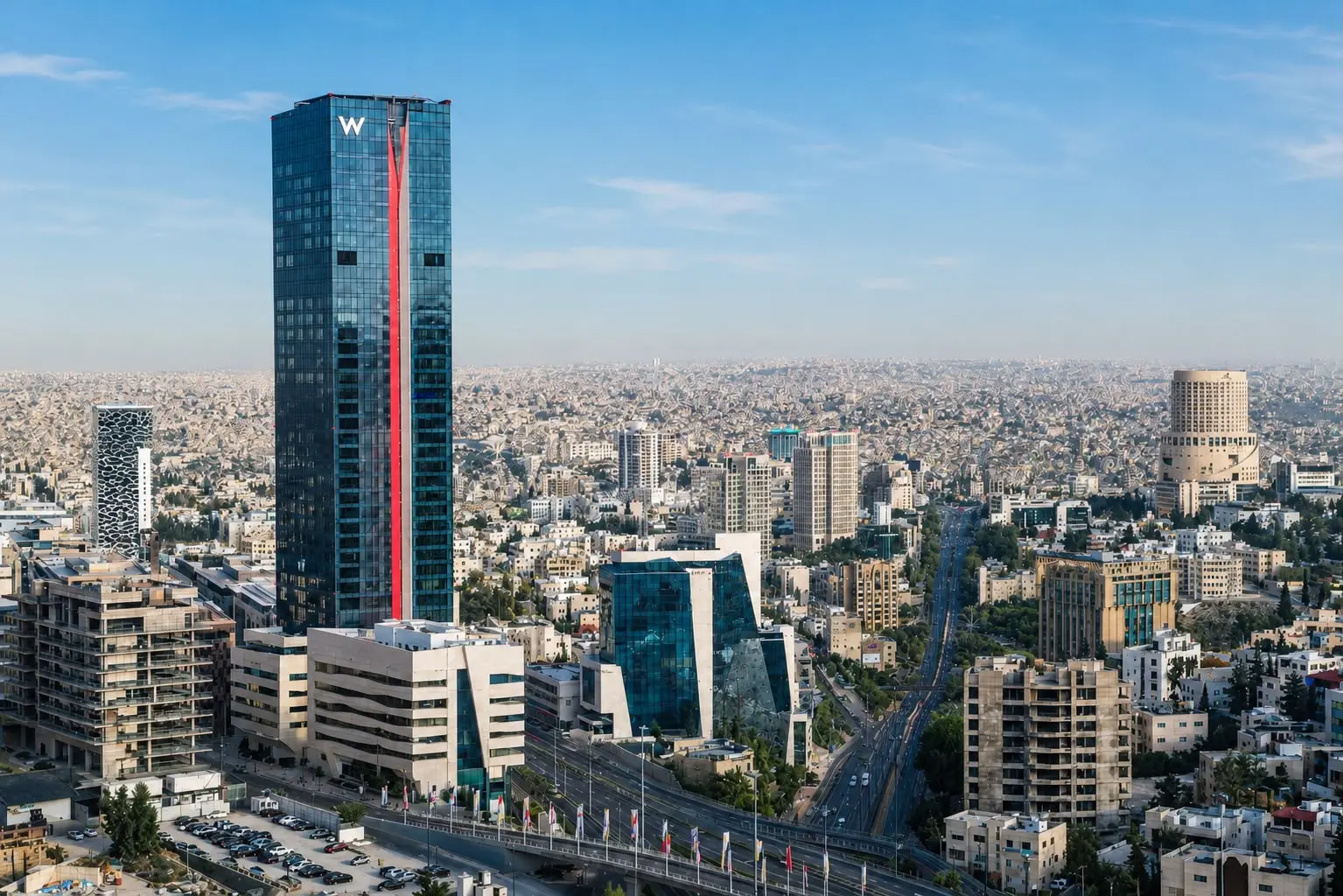
Real-estate trading in Jordan exceeded 3 billion dinars in the first half of 2026, with the Department of Lands and Survey reporting total trading of 3.042 billion dinars, equivalent to about 4.29 billion dollars, for the January to June period. The half-year total was 3 percent lower than the 3.132 billion dinars recorded a year earlier, a slight easing rather than a downturn, and the pace picked up noticeably in June, pointing to firmer momentum heading into the second half.
The headline masks a two-speed half-year. Through the first five months activity was subdued, but June delivered a clear rebound, with trading of 584.3 million dinars, about 824 million dollars, up 7 percent on June 2025 and 23 percent higher than May. The number of properties sold in June reached 11,884, up 12 percent year on year, and sales rose across both apartments and land. June alone accounted for about 19.2 percent of first-half trading and ran roughly 15 percent above the half-year monthly average of about 507 million dinars, our calculation, underlining how concentrated the improvement was late in the period and how it narrowed a wider year-on-year gap earlier in the half.
The numbers around the headline add useful context. The 3.042 billion dinar half-year total represents about 42 percent of the 7.179 billion dinars traded in the whole of 2025, our calculation, which means the market is tracking modestly below last year’s full-year pace after a soft start, consistent with the 3 percent year-on-year decline. Total transactions in the first half numbered 62,023, with overall sales activity down 8 percent year on year, apartment sales down 5 percent and land sales down 9 percent, showing that the dip was broad but shallow.
Foreign demand was a relative bright spot. The estimated value of purchases by non-Jordanians reached 100 million dinars in the first half, about 141 million dollars, up 10 percent year on year, even as the number of such transactions edged down 6 percent, a divergence that implies higher-value purchases per foreign buyer. Non-Jordanian buying represented roughly 3.3 percent of total trading value, our calculation, a small but growing share, and it strengthened sharply in June, when the value of non-Jordanian purchases jumped to 24.3 million dinars, more than double the level of June 2025.
The sector also lifted government revenue. Fees collected from real-estate activity totalled 128.9 million dinars in the first half, about 182 million dollars, up 5 percent year on year, and June alone generated 24.2 million dinars, up 39 percent on the same month last year. The divergence between softer trading volumes and firmer fee revenue reflects both the June rebound and the mix of transactions, and it is a modest positive for public finances in a year when the government is working to widen non-tax revenue. The Jordanian dinar’s peg to the dollar, at about 1.41 dollars per dinar, keeps these values stable in hard-currency terms, which supports the market’s appeal to Gulf and other foreign buyers.
Why it matters: Real estate is a significant contributor to Jordan’s economy and public revenue, so the shape of the first half, a slight year-on-year easing offset by a strong June and rising foreign demand, is a reasonably constructive signal after a soft start. Steady foreign buying, much of it from the Gulf, and firmer fee revenue support both the housing market and government finances, at a time when Jordan is pursuing growth and investment reforms and has recently been recognised for improving creditworthiness.
Outlook: The key question is whether June’s rebound marks a turning point or a one-month spike. A sustained pickup in transactions, continued growth in non-Jordanian purchases and firmer fee revenue would point to a stronger second half, while the year-on-year comparison will be easier to beat if the late-spring softness does not return. The trajectory of foreign demand, particularly from Gulf buyers, will be a key swing factor.
Sources: Department of Lands and Survey; Petra.