Kuwait and Qatar Restore Oil Shipments Through Hormuz to 70 Percent of Pre-War Levels
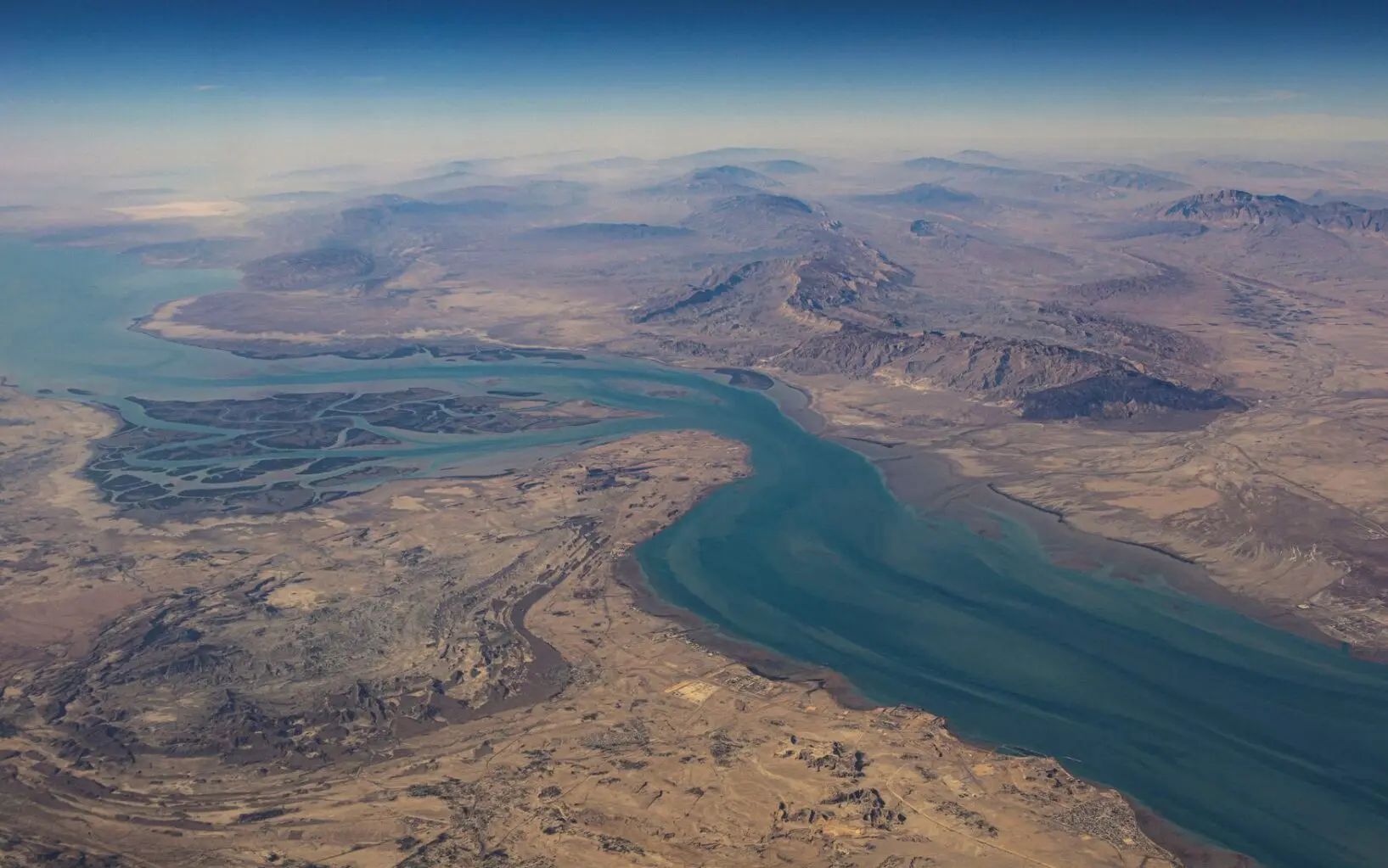
Kuwait and Qatar have pushed their combined oil shipments through the Strait of Hormuz back to 70 percent of pre-war levels, according to traders cited by Bloomberg, as Gulf producers keep finding ways to move crude out of the region despite the ongoing standoff between the United States and Iran.
Flows through the strait nearly double
Traders told Bloomberg that 7 to 8 million barrels a day of oil are now moving out through Hormuz, up from about 4 million barrels a day in mid-July. Using the middle of that range, 7.5 million barrels a day, flows through the strait have risen by about 3.5 million barrels a day, or 87.5 percent, since mid-July on our calculation. That level is roughly three quarters of pre-war throughput, per Bloomberg. Vortexa, a tanker-tracking firm, said on Monday that the 7-day average of oil flows through the waterway had approached 10 million barrels a day.
Kuwait and Qatar rebuild their own volumes
Kuwait and Qatar together exported a combined 2 million barrels a day before the outbreak of the war with Iran. Getting shipments back to 70 percent of that level leaves the 2 countries a combined 600,000 barrels a day, or 30 percent, short of their pre-war total, on our calculation. The United Arab Emirates was the first Gulf producer to export large volumes through Hormuz using ship-to-ship transfers in the Gulf of Oman, a method known as shuttle trade, in which tankers carry cargoes over short return routes. Saudi Arabia followed after Houthi fighters began targeting oil tankers in the Red Sea, forcing it to lean more heavily on the strait.
A Kuwaiti tanker was targeted mid-transit
A Kuwait Petroleum Corporation supertanker was targeted earlier in August while crossing the strait, Kuwait said in submissions to the United Nations body responsible for shipping oversight. QatarEnergy this week offered to sell its crude through ship-to-ship transfers outside Hormuz in the Gulf of Oman. Kuwait Petroleum Corporation and QatarEnergy did not respond to requests for comment, and Kuwait’s oil ministry did not respond to several phone calls, per Bloomberg.
Kuwait leans on its own fleet
Kuwait has relied mostly on its own ships, which include a fleet of 11 very large crude carriers, according to shipping database Equasis. Ship-tracking platforms show most of these tankers have not transmitted satellite signals for more than 2 months, suggesting their transponders have been switched off or the vessels have otherwise gone dark to trackers. Traders said Kuwait’s success moving oil through Hormuz has let it place cargoes on the spot market on top of its long-term contract commitments to buyers in East Asia. Qatari crude has moved mostly on commercial tanker fleets, and TotalEnergies said this week it is one of the largest carriers of Qatari cargo shipments.
| Measure | Mid-July 2026 | Now (Aug 27, 2026) |
|---|---|---|
| Oil flows through Hormuz | About 4 million b/d | 7 to 8 million b/d |
| Increase, on our calculation | n/a | About 3.5 million b/d (87.5%) |
| Vortexa 7-day average | n/a | Nearly 10 million b/d |
| Brent crude | n/a | Near $87/barrel |
| Producer | Pre-war combined exports | Current, on our calculation |
|---|---|---|
| Kuwait and Qatar | 2 million b/d | 1.4 million b/d (70%) |
Why it matters
For Kuwait and Qatar, restoring shipments through Hormuz means fewer barrels held back from buyers and continued access to spot sales alongside existing long-term contracts, even as both countries operate under the threat of attack in the strait. The trade-off is that the same wave of returning Gulf supply, from Kuwait, Qatar, Saudi Arabia and the United Arab Emirates, has helped push Brent down to near 87 dollars a barrel from more than 120 dollars in late April, so the 2 countries are earning less per barrel even as their export volumes recover.
Outlook
Washington and Tehran remain at an impasse over the war, with control of the Strait of Hormuz among the central points of dispute. Kuwait’s continued reliance on tankers that have gone dark to satellite tracking, and QatarEnergy’s move to offer ship-to-ship sales outside the strait, both point to Gulf producers building in redundancy rather than betting on a near-term resolution.
Source: Bloomberg, August 27, 2026, citing Vortexa and the Equasis shipping database.