S&P Sees Slower Growth but Continued Resilience for Gulf Banks, With Kuwait Among the Markets Anchored by Public-Sector Liquidity
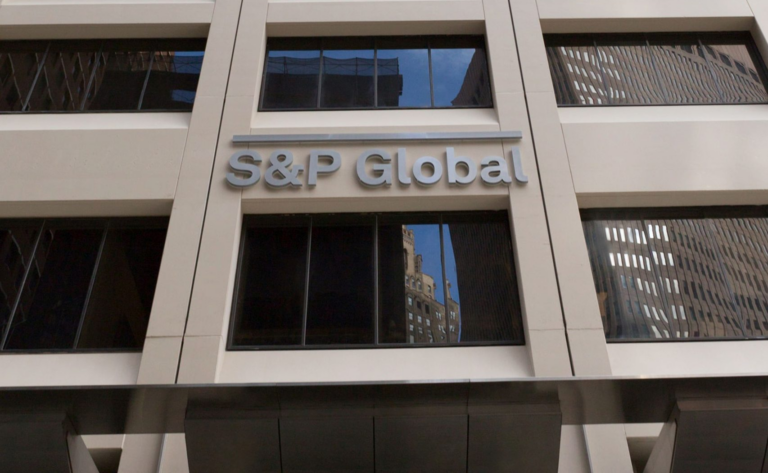
The war and ongoing geopolitical uncertainty are likely to slow growth among Gulf banks, S&P Global Ratings analysts said in the agency’s midyear banking update presented on 8 July, while stressing that the sector enters the shock with solid earnings, capital buffers and stable funding.
The conflict will weigh heaviest on lenders exposed to tourism, consumer spending, transportation and logistics, and energy-linked sectors, S&P analyst Sapna Jagtiani said, with higher logistics costs and weak capital-market activity squeezing corporate profitability this year.
The deposit base is holding up. Total domestic deposits across the region rose about 4.2 percent in the first quarter and accelerated to 6.2 percent year to date through end-April, while private-sector deposits were running at an annualised rate of about 11.6 percent, on par with 2025 and led by a strong pick-up in Saudi Arabia. Government and public-sector deposits accelerated to an annualised rate of about 36 percent, led by the UAE and Kuwait, offsetting deceleration elsewhere, the agency said.
S&P expects Gulf banks to continue delivering solid earnings and to maintain capital buffers and stable funding profiles despite the challenges, analyst Tatjana Lescova said, with the region’s stable sovereign credit profiles supported by an expected strong, hydrocarbon-driven economic recovery in 2027.
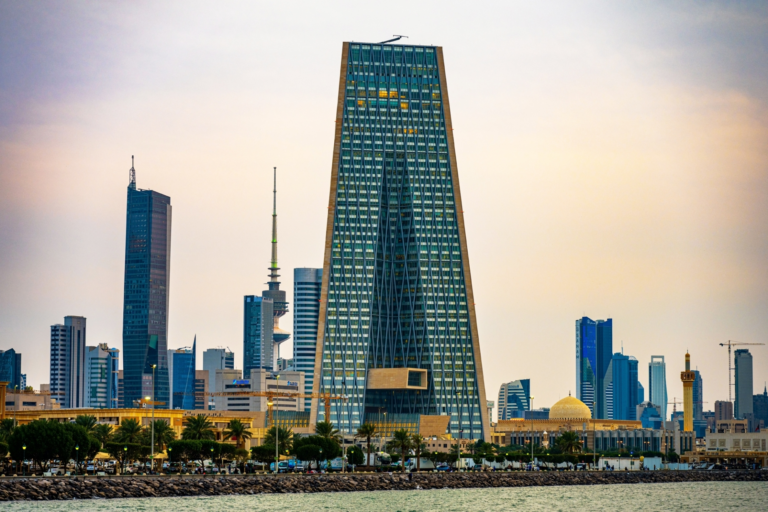
Why it matters: The Kuwait detail is the takeaway for this market: public-sector liquidity is doing the stabilising work, with government deposit growth near 36 percent annualised led by the UAE and Kuwait. That should ease funding pressure for Kuwaiti lenders through the shock, with deposit mix, concentration and pricing determining how much of it reaches margins, and positions them for the rebound S&P projects once hydrocarbon revenues drive the regional recovery in 2027.
Outlook: The second-quarter results season, which begins across the Gulf in late July, will show how far the war has cut into fee income and credit growth, and how much of the deposit strength has translated into margins. S&P’s regional assessment implies rating stability through the stress, with the risk concentrated in tourism, logistics and consumer books rather than in systemic funding.
Table – GCC deposit growth, per S&P Global Ratings:
| Measure | Rate |
|---|---|
| Total domestic deposits, Q1 2026 | +4.2% |
| Total domestic deposits, YTD to end-April | +6.2% |
| Private-sector deposits, annualised | ~11.6% |
| Government and public-sector deposits, annualised | ~36% |
Sources: S&P Global Ratings.