Three Fed Officials Wanted a July Hike as Warsh Faces an Early Test
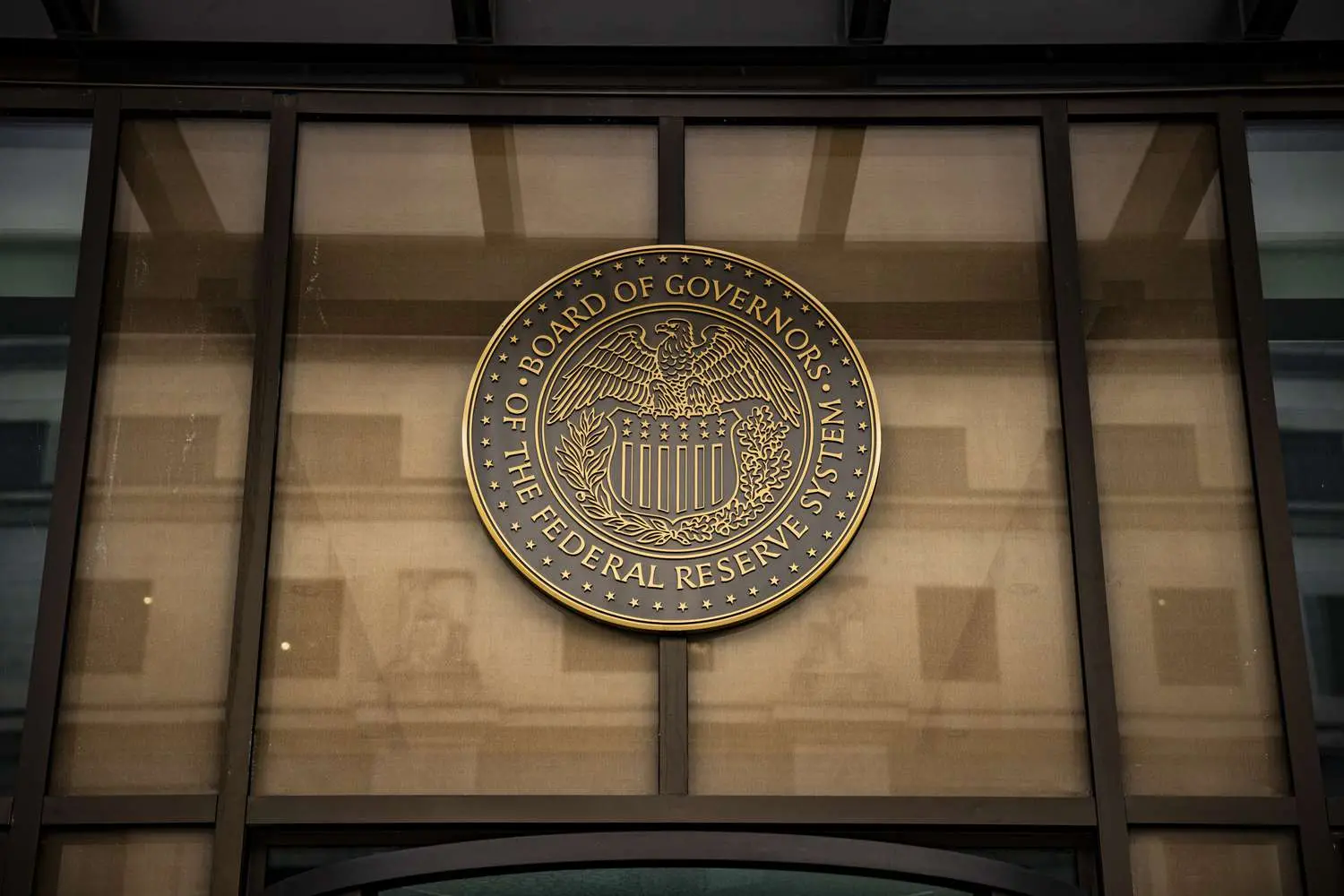
The Federal Open Market Committee held the federal funds target range at 3.50 to 3.75 percent on 29 July, but it did so nine votes to three, and all three dissenters wanted a quarter-point increase. Beth Hammack of the Cleveland Fed, Lorie Logan of Dallas and Neel Kashkari of Minneapolis each published a signed explanation two days later, on 31 July, through their own Reserve Banks. All three are voting members this year. Not one voter anywhere on the committee preferred a cut.
The three explanations share a single argument, which is about the cost of waiting rather than about the level of rates today. Hammack wrote that inflation has been too high for too long and that the longer high inflation persists, the more challenging and costly it can be to bring back down. Logan put it in terms of sequencing, arguing that modest action in the near term would reduce the likelihood of needing sharper action later. Kashkari made the same trade explicitly, saying a series of small policy moves would be preferable to waiting and then concluding that bolder action had become necessary.
The data give them something to work with. Consumer prices rose 3.5 percent in the year to June, with core at 2.6 percent, in the release of 14 July. The personal consumption expenditures measure the committee actually targets came in higher and landed the day after the meeting: headline PCE inflation of 3.7 percent and core PCE of 3.3 percent for June, published on 30 July. The labour market is the counterweight. Unemployment was 4.2 percent in June and non-farm payrolls rose 57,000, a soft number by the standards of this cycle, released on 2 July. The next employment report is due at 08:30 New York time on Friday 7 August, and it is the single most consequential release before the committee meets again on 15 and 16 September.
All of this is an early test of Kevin Warsh’s chairmanship. He was confirmed by the Senate on 13 May by 54 votes to 45 and sworn in on 22 May; Jerome Powell remains on the Board as a governor. A chair who inherits a committee with three hawkish dissents and no dovish ones is being asked to manage a majority that is holding while a vocal minority argues that holding is itself the risk.
A separate report has attached a governance question to that. On 31 July the New York Times reported, citing people it did not name, that Warsh is considering reducing the number of scheduled FOMC meetings. Nothing in the Federal Reserve’s own record supports it yet. The transcript of Warsh’s press conference on 29 July contains no discussion of the meeting calendar. No Board statement, press release or committee communication addresses it. The 2027 schedule, announced on 5 September 2025, still carries the standard eight meetings and remains published unamended. We report the existence of the report and not the substance of a decision. For context, the Fed’s own material notes that the committee has met eight times a year since 1981 and that the number has varied between four and nineteen over its history; the 1980 archive shows eleven regular meetings.
Markets have taken the hawkish side of the argument seriously. The two-year Treasury yield closed at 4.23 percent and the ten-year at 4.68 percent on 30 July, and the Federal Reserve’s broad nominal dollar index stood at 120.69. Forbes, reporting market-implied pricing on 29 July, put a September increase as the most likely outcome at roughly 60 percent against about 40 percent for a hold; the underlying futures-implied series could not be read directly at an approved source, so the split is carried as Forbes reported it and dated accordingly. That is an unusual configuration: a committee that has not raised rates in this phase being priced to do so at its next meeting.
Why it matters: The transmission to the Gulf is direct and mechanical. The Saudi, Emirati, Qatari, Bahraini and Omani currencies are pegged to the dollar and the Kuwaiti dinar is managed against a dollar-weighted basket, so a September increase would feed into regional policy rates and into the cost of the heavy sovereign and corporate issuance the region has done this year. The offsetting point is that Gulf issuers have been meeting strong demand through the volatility, and a higher dollar rate arrives alongside a currency framework that has held its credibility through a conflict year. The peg transmits either way; what the September date changes is the calendar around which regional issuance windows are conventionally planned. Nothing here is a recommendation on funding, and none of it constitutes investment advice.
Outlook: Friday’s payroll report is the pivot. A soft print vindicates the majority; a firm one strengthens the three dissenters going into September. On the meeting-calendar report, the test is simple and observable: either the Board issues a communication or amends the published 2027 calendar, or it does not. Until one of those happens the story remains a press report rather than a policy change.
The July decision and what follows
| Item | Detail |
|---|---|
| Decision, 29 July 2026 | Target range held at 3.50-3.75 percent |
| Vote | 9-3 |
| Dissenters | Hammack, Kashkari, Logan; all three preferred a 25 basis point increase |
| Dissents for a cut | None |
| CPI, June 2026 | 3.5 percent headline, 2.6 percent core; released 14 July |
| PCE, June 2026 | 3.7 percent headline, 3.3 percent core; released 30 July |
| Labour market, June 2026 | Unemployment 4.2 percent; payrolls plus 57,000 |
| Next payrolls | Friday 7 August, 08:30 New York |
| Next FOMC | 15-16 September 2026 |
| Market pricing, 29 July | About 60 percent hike, about 40 percent hold, per Forbes |
| Yields, 30 July | 2-year 4.23 percent; 10-year 4.68 percent |
| Chair | Kevin Warsh, confirmed 54-45 on 13 May, sworn in 22 May 2026 |
The three dissenters and their stated arguments
| Official | Reserve Bank | Preferred action | Argument, as published 31 July |
|---|---|---|---|
| Beth Hammack | Cleveland | 25 basis point increase | Inflation has been too high for too long; the longer it persists the more challenging and costly it is to bring down |
| Lorie Logan | Dallas | 25 basis point increase | Modest action now reduces the likelihood of needing sharper action later |
| Neel Kashkari | Minneapolis | 25 basis point increase | A series of small moves is preferable to waiting and then concluding bolder action is necessary |
The inflation and labour data in front of the committee
| Series | Reading | Reference month | Released |
|---|---|---|---|
| CPI, headline | 3.5 percent | June 2026 | 14 July |
| CPI, core | 2.6 percent | June 2026 | 14 July |
| PCE, headline | 3.7 percent | June 2026 | 30 July |
| PCE, core | 3.3 percent | June 2026 | 30 July |
| Unemployment rate | 4.2 percent | June 2026 | 2 July |
| Non-farm payrolls | Plus 57,000 | June 2026 | 2 July |
Sources: Federal Reserve Board; Federal Reserve Banks of Cleveland, Dallas and Minneapolis; Bureau of Labor Statistics; Bureau of Economic Analysis; Forbes.