
UAE Accelerates New Oil Export Route Beyond Hormuz
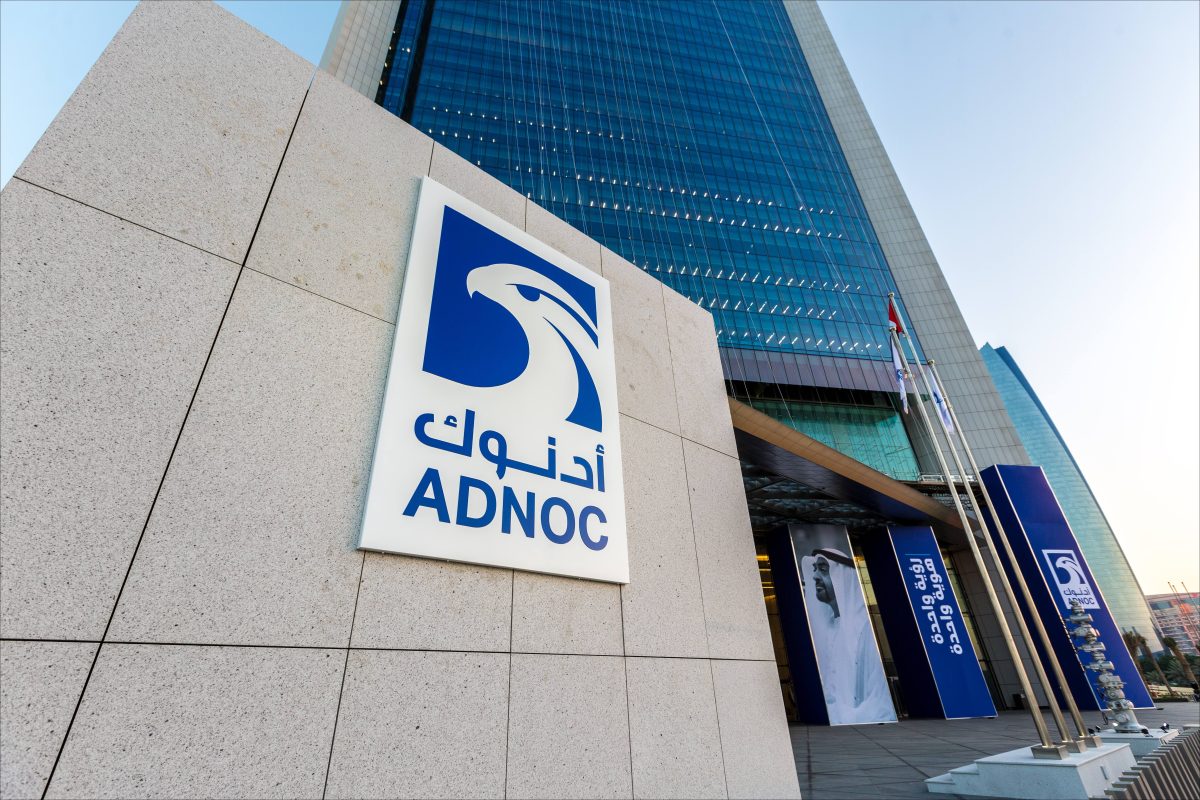
Abu Dhabi National Oil Company (ADNOC). — شركة بترول أبوظبي الوطنية (أدنوك).
The UAE is moving to strengthen its oil export resilience by fast tracking ADNOC’s new West East 1 Pipeline, a strategic route designed to expand crude flows to Fujairah on the Gulf of Oman and reduce reliance on the Strait of Hormuz.
Key insights:
- The project is expected to become operational by 2027 and double ADNOC’s export capacity through Fujairah.
- The existing Habshan Fujairah pipeline can already move around 1.5 to 1.8 million barrels per day from Abu Dhabi’s onshore fields to the east coast.
- Based on the existing route’s reported capacity of up to 1.8 million bpd, a full doubling could imply bypass capacity of up to around 3.6 million bpd, subject to final operating rates.
- Before the conflict, UAE crude production was reported around 3.4 million bpd, making the expanded Fujairah route strategically important for protecting a larger share of export flows.
- The Strait of Hormuz remains one of the world’s most critical energy chokepoints, with nearly 20 percent of global oil supply flowing through it before the current disruption.
- Fujairah is already a major energy logistics hub, with around 70 million barrels of oil product storage capacity and a key role in bunkering and regional crude exports.
- For ADNOC, the project increases flexibility by allowing more Murban crude to reach global markets through the Indian Ocean without passing through Hormuz.
The main takeaway is that the UAE is converting geography into strategic energy resilience. By expanding Fujairah export capacity, ADNOC gains a stronger hedge against Hormuz disruption, while global markets gain another layer of supply security in a period of elevated geopolitical risk.