UAE extends small business tax relief three years to 3 million dirhams
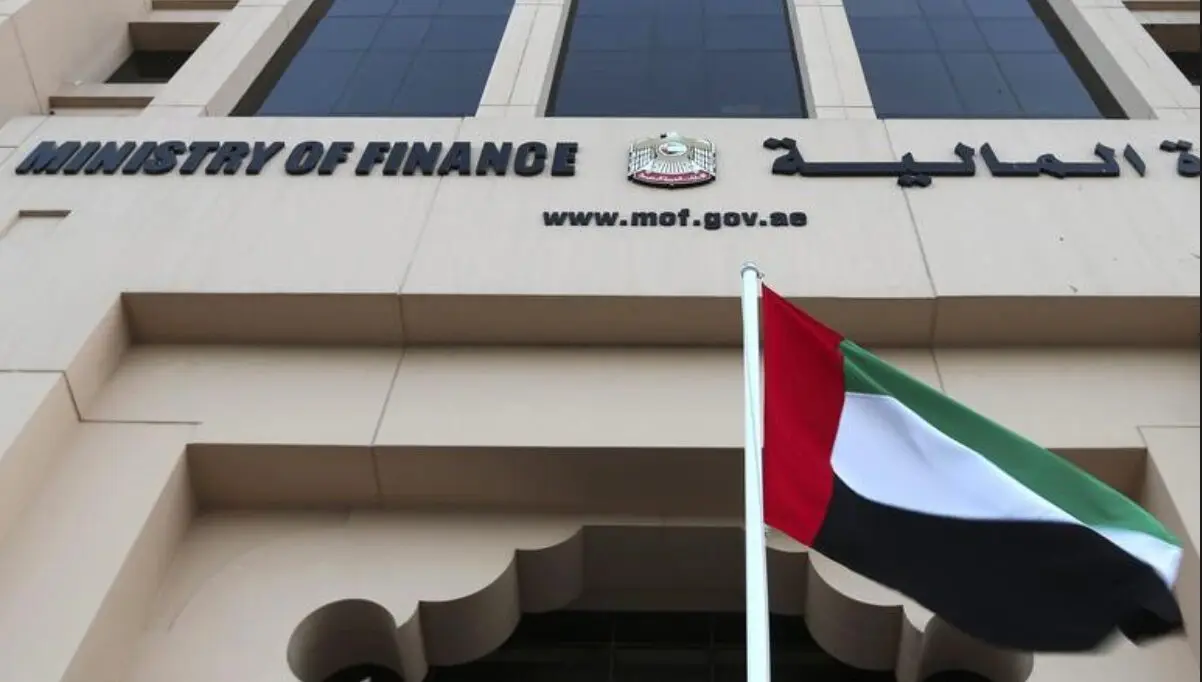
The United Arab Emirates has extended its corporate tax Small Business Relief by three years, the Ministry of Finance announced on 7 August 2026. Under Ministerial Decision No. 131 of 2026, which amends Ministerial Decision No. 73 of 2023, the relief may now be claimed for tax periods ending on or before 31 December 2029.
| Small Business Relief, as amended | Provision |
|---|---|
| Instrument | Ministerial Decision No. 131 of 2026 |
| Amends | Ministerial Decision No. 73 of 2023 |
| Revenue threshold | annual revenue not exceeding 3 million dirhams |
| Eligibility begins | tax periods commencing on or after 1 June 2023 |
| Relief now available | tax periods ending on or before 31 December 2029 |
The threshold itself is unchanged at 3 million dirhams of annual revenue, set by the 2023 decision. What the new decision changes is the window: businesses below that threshold may continue to elect to be treated as having no taxable income, and therefore pay no corporate tax, for three additional years.
The ministry frames the extension as supporting small businesses and start-ups, strengthening the business environment, enabling entrepreneurs to grow and expand, reinforcing the country’s standing as a destination for investment, and maintaining a competitive tax system aligned with international practice and sustainable economic development. The announcement carries no named official and quotes no minister or spokesperson.
The 2026 announcement does not restate the previous expiry, but the ministry’s own decision of April 2023 does: relief applied to tax periods ending on or before 31 December 2026. The new decision is therefore a three-year extension, and the eligibility framework set out in 2023 continues to govern who may claim it.
| Conditions set by the 2023 decision | Provision |
|---|---|
| Who may elect | resident taxable persons only |
| Revenue test | revenue must stay below 3 million dirhams in the relevant tax period and in all previous tax periods |
| Once exceeded | relief is no longer available in any later period |
| Qualifying free zone persons | excluded |
| Members of multinational enterprise groups | excluded, where consolidated group revenue exceeds 3.15 billion dirhams |
| Artificial separation of a business | treated as an arrangement to obtain a tax advantage under the general anti-abuse rule |
| Where relief is not elected | tax losses and disallowed net interest expenditure may be carried forward |
The revenue test is the provision most often misread. It is not an annual test that a business can fail one year and pass the next: once revenue has exceeded 3 million dirhams in any period, the relief is gone for good. That makes the extension valuable precisely to businesses that have stayed below the threshold since June 2023 and expect to remain there.
Why it matters: corporate tax in the Emirates is still young, and the population of businesses below 3 million dirhams of revenue is large. Extending certainty to the end of 2029 removes a planning cliff that small companies would otherwise have faced within the next eighteen months, and it does so without changing the threshold, which means the relief will cover a slowly shrinking share of businesses as revenues grow in nominal terms. Our reading is that this is a deliberate design: the ministry has extended the time rather than widening the scope, so the relief phases itself out through growth rather than through a policy reversal.
Looking ahead: the threshold has now stood unchanged since June 2023 and is set to stand until the end of 2029, a span of six and a half years without indexation. Whether it is revisited before then is the open question, and it is the one that determines how many businesses the relief still reaches by the time it expires.
Sources: Ministry of Finance of the United Arab Emirates, announcement on Ministerial Decision No. 131 of 2026, 7 August 2026, English and Arabic editions.