World Bank Sees Tunisia Growth Easing to 2.3 Percent With Water Scarcity a Long Term Risk
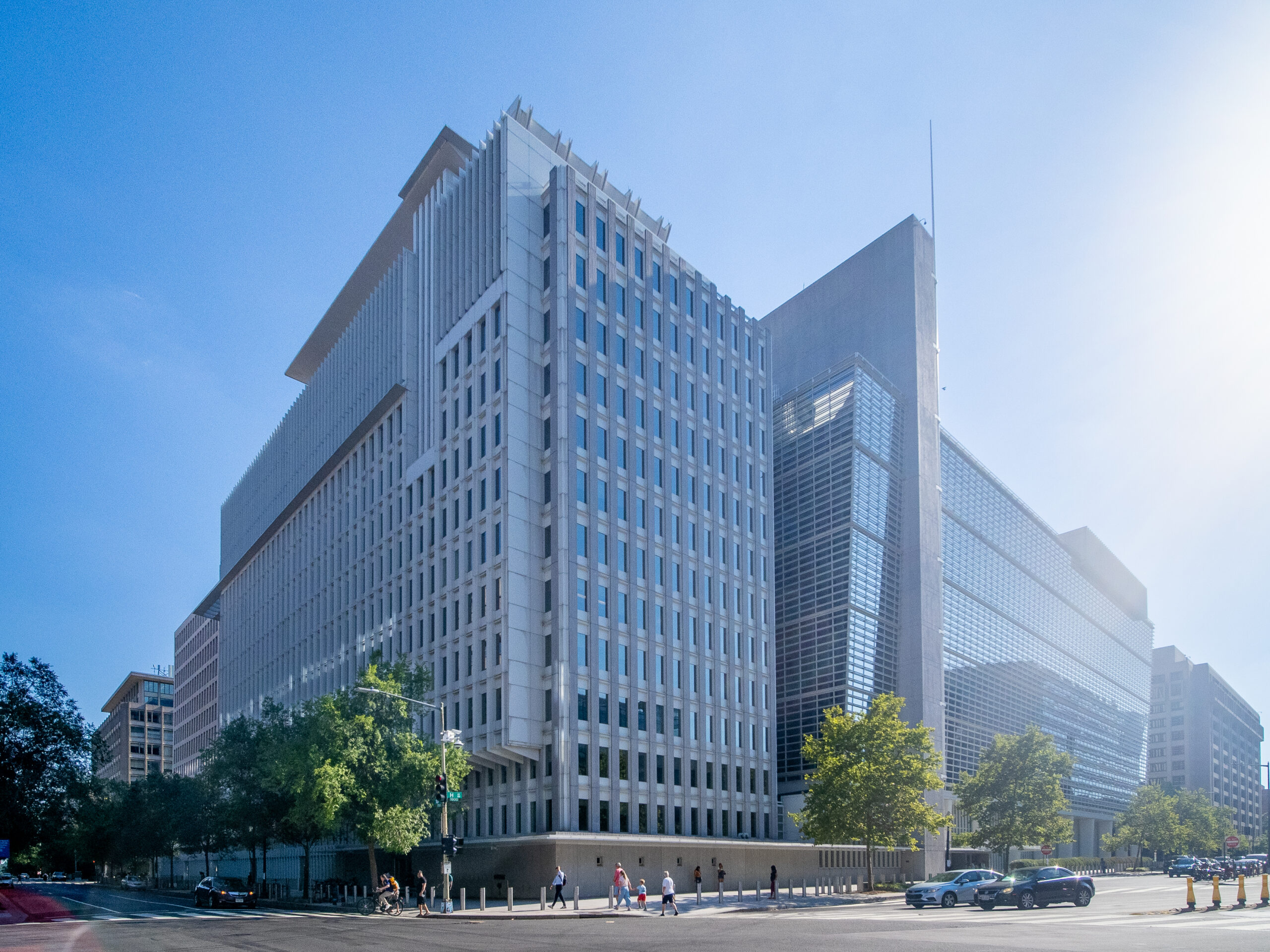
Tunisia’s economy grew 2.7 percent in 2025 and 2.4 percent year on year in the first half of 2026, and growth is projected to ease to 2.3 percent this year and average 2.1 percent over 2027 and 2028, according to the latest Tunisia Economic Monitor, which the World Bank presented in a press release on 22 September. The report treats the management of severe water scarcity as one key determinant of the country’s economic prospects.
Output could be 6.4 percent lower by 2050
The report estimates that water scarcity could reduce Tunisia’s gross domestic product by 6.4 percent by 2050. Tunisia has about 380 cubic metres of renewable freshwater available per person each year, below the international threshold for absolute water scarcity. Agriculture, which employs 14 percent of the national workforce and up to half of rural workers, is particularly vulnerable, and the report warns that water and climate stress could eliminate at least 30 percent of agricultural jobs by mid century, with effects reaching tourism, agro processing and industry.
| Indicator | Figure |
|---|---|
| Growth 2025 | 2.7% |
| Growth first half 2026, year on year | 2.4% |
| Growth projection 2026 | 2.3% |
| Average growth 2027 to 2028 | 2.1% |
| Unemployment, second quarter 2026 | 14.9% |
| Unemployment, women | 21.6% |
| Renewable freshwater per person | 380 cubic metres a year |
| Potential GDP loss from water scarcity by 2050 | 6.4% |
World Bank, Tunisia Economic Monitor, Tunisia’s Water Challenge, From Scarcity to Resilience, report dated 18 September 2026, press release 22 September 2026.
Governance, not only infrastructure
The national water plan to 2050 envisages investment of about 900 million dollars a year through mid century. The report argues that money alone will not deliver results without changes to the way the sector is run, naming modernisation of the water code, a framework for the reuse of treated wastewater, better cost recovery while vulnerable households are protected, lower network losses, wider digitalisation and stronger irrigation management. The World Bank Group supported RESEau programme is expected to generate about 4,000 permanent jobs and 13,400 temporary jobs in its first phase alone.
Why it matters: “Water security is fundamental for jobs and growth,” said Ahmadou Moustapha Ndiaye, Division Director for the Maghreb and Malta at the World Bank. For a country growing near 2 percent and vulnerable to rising import prices and imbalances in public finances, a level of output 6.4 percent lower by 2050 than it would otherwise be, rather than a cut of that size to any single year’s growth, is a larger question than the cyclical ones that usually dominate the forecast.
Outlook: last year’s better rainfall and reservoir levels give short term relief without changing the long term position. The next reading comes with the growth outturn for 2026 against the 2.3 percent projection, and with whatever legal and tariff measures are actually adopted.
Sources: World Bank.