First published at 07:20 GMT; updated with the session's closing edition at 10:27 GMT. Mainland Chinese stocks led a split Asian session on Wednesday, with Shenzhen's Component index closing 4.22% higher while Tokyo's Nikkei 225…
Japan's industrial production rose 2.2% in September from August, recovering most of the previous month's fall, and manufacturers expect output to climb…
Five large Japanese companies reported results on 29 October, led by Takeda Pharmaceutical, whose first-half operating profit jumped 60.4% to JPY 406.7…
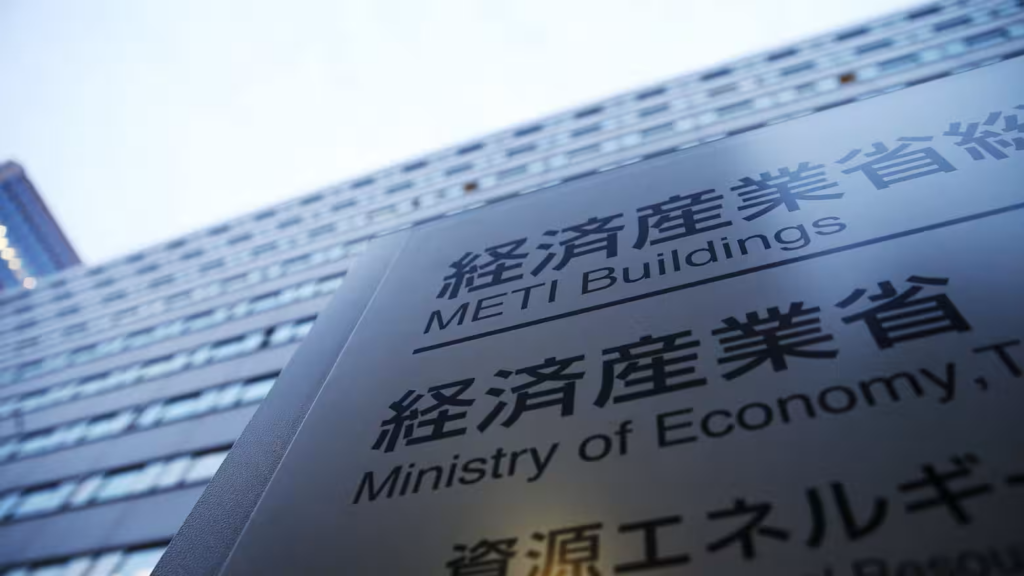
Japan's Economy, Trade and Industry Minister Akazawa used the 17th International Energy Forum (IEF) ministerial meeting on 11 October to promote POWERR…
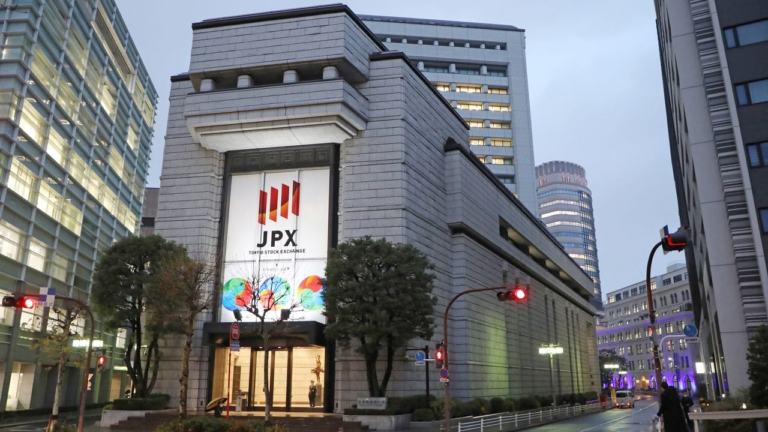
First published at 07:20 GMT; updated with the session’s closing edition at 10:27 GMT. Mainland Chinese stocks led a split Asian session on Wednesday, with Shenzhen’s Component index closing 4.22% higher while Tokyo’s Nikkei 225 fell 1.42% on its return from a holiday. Five of the ten markets in this wrap rose and five fell,…
Taipei and Seoul dived 3.59% on Tuesday as the technology selloff reached Asia’s chip heavyweights, while India rose a fourth day and Australia’s central bank raised rates again. In The Edge’s reading, the session imported both of Monday’s American stories at once: Wall Street’s technology unwind, which Seoul and Taipei absorbed hardest, and the inflation,…
Brent slid 4.43% by 10:08 GMT amid reports of US-Iranian diplomatic contacts, while Seoul’s Kospi rebounded 2.24% from the technology selloff that defined its October. In The Edge’s reading the session pointed one way for Asia’s importers even as the markets split, five higher and five lower: crude gave up part of its war premium,…
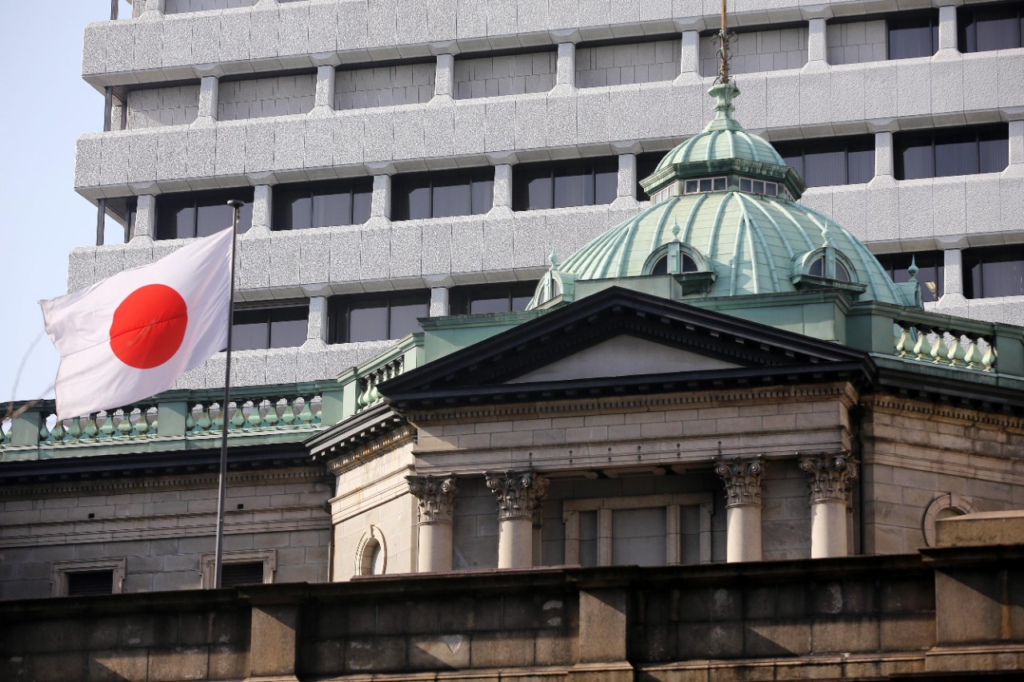
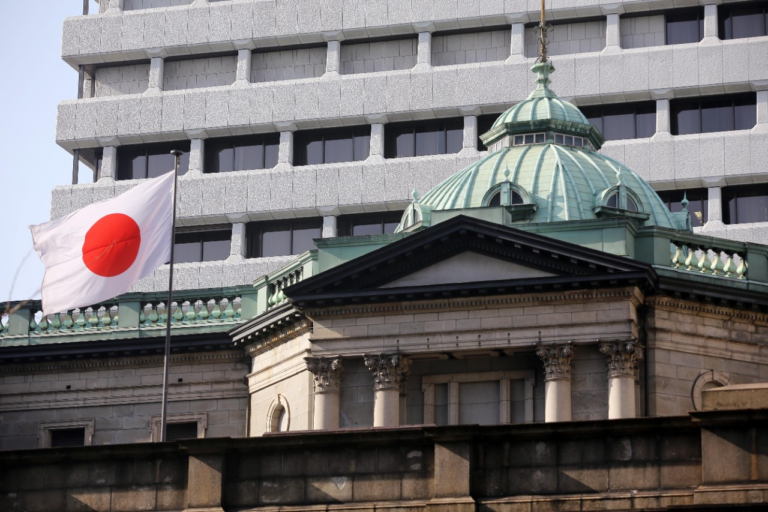
The Bank of Japan kept its policy rate at 1.25% on 30 October over one dissent for a rise, and will more than double its ETF sales from January. For Japanese borrowers and savers the decision keeps short-term rates where September’s quarter-point increase put them. The Bank repeated that it will continue to raise the…
Japan’s industrial production rose 2.2% in September from August, recovering most of the previous month’s fall, and manufacturers expect output to climb again in October. The month brings factory output back within 0.5% of its June high, and the jobless rate fell to 2.4% in the same month. In The Edge’s reading, September splits the…
Seoul’s Kospi fell 3.48% and Tokyo snapped a three-session rise after Amazon and Intel earnings added to AI spending worries, on the day the Bank of Japan held at 1.25%. In The Edge’s reading, the session divided on exposure to AI capital spending rather than on the policy decision: Seoul, Taipei, Shenzhen and Tokyo fell…
Tokyo’s Nikkei 225 rose 1.10% for a third straight day before Friday’s Bank of Japan decision, while a Samsung earnings miss cooled the chip rally across Asia. A day after SK hynix answered the AI question for the chipmakers, Samsung’s third quarter put the other half back on the table: in The Edge’s reading, the…
Five large Japanese companies reported results on 29 October, led by Takeda Pharmaceutical, whose first-half operating profit jumped 60.4% to JPY 406.7 billion ($2.58 billion) and which raised its outlook on a weaker yen. Komatsu lifted its full-year operating income forecast; Denso’s six-month operating profit fell 19.5%, and it announced a share buyback. Fujitsu’s first-half…
A record SK hynix quarter sent Seoul’s Kospi up 6.63% to 6,012.44 on Wednesday, with chip markets higher across Asia hours before the Federal Reserve’s decision. The question over the AI trade since mid-October has been whether chip demand converts into profits and payouts; in The Edge’s reading, SK hynix answered it for the chipmakers,…
Seoul led Asia on Tuesday, with the Kospi up 3.09 percent at 5,638.34 after the Bank of Korea’s advance estimate put third-quarter growth ahead of forecasts. Tokyo’s Nikkei 225 rose 1.73 percent and snapped three declines, while Shanghai and Shenzhen both fell. Taipei returned from its two-session closure with a 0.12 percent gain. Brent crude…