Egypt’s Banks Lift Capital Adequacy to 19.4 Percent and Improve Loan Quality to a Series Best
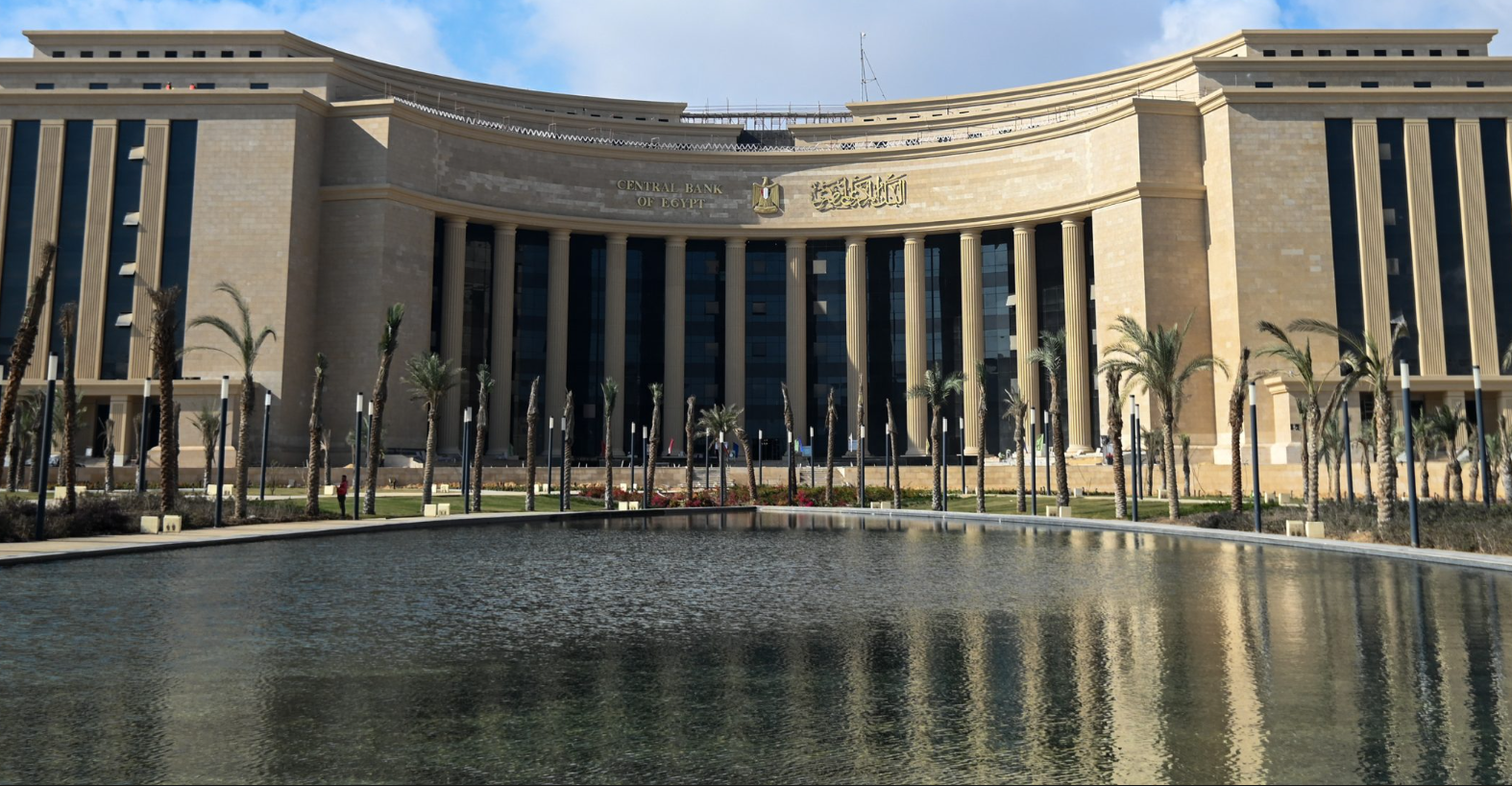
Egypt’s banks strengthened their capital cushions in the second quarter, according to the Central Bank of Egypt’s latest financial soundness indicators for the banking sector, which exclude the central bank. The ratio of the capital base to risk weighted assets rose to 19.4 percent at the end of June from 18.5 percent at the end of March, while non-performing loans eased to 1.8 percent of total loans, the lowest reading in the series the central bank published, which begins at 3.3 percent at the end of fiscal year 2022.
| Indicator | March 2026 | June 2026 |
|---|---|---|
| Capital base to risk weighted assets | 18.5% | 19.4% |
| Tier 1 capital to risk weighted assets | 15.5% | 16.4% |
| Common equity to risk weighted assets | 13.8% | 14.7% |
| Leverage ratio | 7.6% | 7.8% |
| Non-performing loans to total loans | 1.9% | 1.8% |
| Loan provisions to non-performing loans | 88.0% | 87.6% |
Banking sector excluding the Central Bank of Egypt.
Capital well above the minimums
Common equity stood at 14.7 percent of risk weighted assets, against a minimum of 7 percent including the conservation buffer. The leverage ratio of 7.8 percent, the highest in the series, compares with a floor of 3 percent. Liquidity was also comfortable: the liquidity coverage ratio stood at 574.5 percent in local currency and 229.2 percent in foreign currencies, and the net stable funding ratio at 165.0 percent, all against a required minimum of 100 percent.
A 27.66 trillion pound balance sheet
Total assets of the banking sector reached 27.66 trillion Egyptian pounds at the end of June, with total deposits of 17.11 trillion pounds and loans and discounts to customers of 11.65 trillion pounds. On the central bank’s own measure, the loans to deposits ratio stood at 68.9 percent, up from 68.4 percent in March. The sector earned an unaudited net profit of 373.1 billion pounds in the first half of 2026. Loans to the private sector made up 41.7 percent of loans to customers.
Why it matters: On our reading, a rising capital ratio, the lowest non-performing loan share in the published series and a deposit base well above the loan book leave Egypt’s banks with room to keep lending.
Outlook: The central bank’s September quarter indicators will show whether capital and asset quality hold at these levels.
Sources: Central Bank of Egypt.