South Korea’s Inflation Eases to 2.9 Percent While Petroleum Prices Run 14.8 Percent Higher
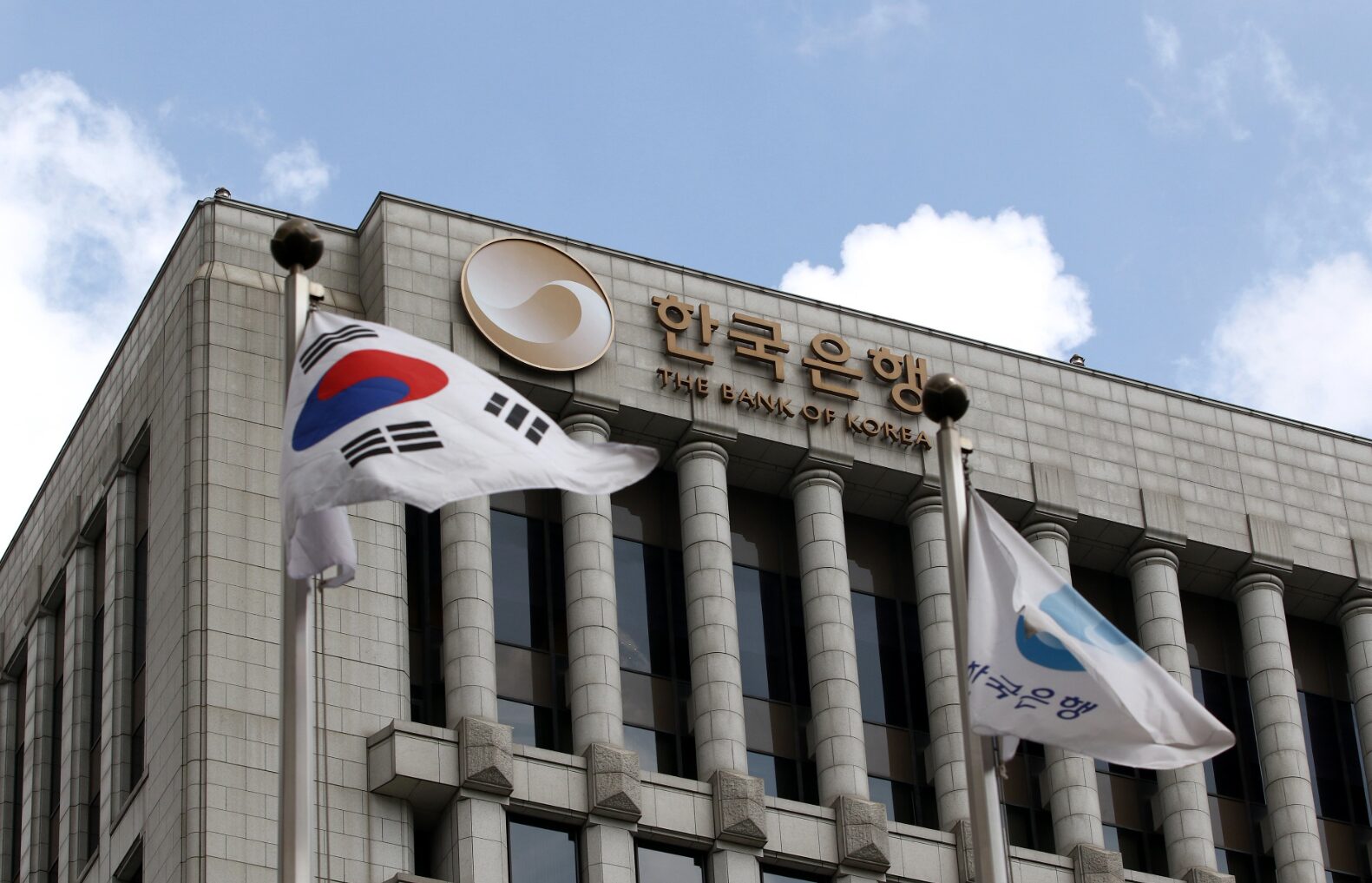
South Korea’s consumer prices rose 2.9 percent in September from a year earlier, down from 3.1 percent in August, the Ministry of Data and Statistics said on 2 October. Core inflation, which excludes food and energy, eased to 2.8 percent from 3.4 percent, and the index rose 0.3 percent on the month. Petroleum product prices were 14.8 percent higher than a year earlier, up from 14.2 percent in August, with diesel up 20.0 percent and gasoline 11.8 percent.
A base effect, not a cooling
The slowdown is a base effect in mobile phone charges. A discount on phone fees a year earlier had lifted August’s annual rate, and with it gone the price of mobile phone service rose 0.1 percent in September after 26.8 percent in August. Public service prices slowed to 1.5 percent from 6.5 percent. The Bank of Korea, at a price review chaired by Deputy Governor Lee Ji-ho, estimated that this base effect had added 0.6 percentage points to headline inflation and 0.8 points to core in August.
As a simple counterfactual rather than an official adjusted series, stripping those out puts August at about 2.5 percent headline and 2.6 percent core, on our calculation, so September’s 2.9 and 2.8 percent are higher, not lower. That matches the central bank’s own reading that price momentum “somewhat expanded” once the base effect is set aside. Personal services stayed at 3.5 percent on airfares and travel costs, and durable goods prices accelerated to 4.9 percent from 4.1 percent on higher semiconductor prices.
South Korea consumer prices, annual change
| Measure | September | August | July |
|---|---|---|---|
| All items | 2.9% | 3.1% | 2.8% |
| Core | 2.8% | 3.4% | 2.6% |
| Petroleum products | 14.8% | 14.2% | 15.5% |
| Durable goods | 4.9% | 4.1% | 3.9% |
| Personal services | 3.5% | 3.5% | 3.5% |
| Public services | 1.5% | 6.5% | 1.4% |
| Farm, livestock and fisheries | -0.3% | -2.6% | 0.9% |
Core excludes food and energy. Components as published by the central bank from the September index.
The fuel price cap cushions the crude shock
Dubai crude averaged 113.7 dollars a barrel in September, against 88.8 dollars in August and 70.0 dollars a year earlier, while the won averaged 1,359 to the dollar against 1,392 a year earlier. On our calculation, a barrel of crude cost about 59 percent more in won than a year earlier, while gasoline was 11.8 percent dearer in the price index; the central bank’s average gasoline price for September was 1,858.5 won a litre, against 1,659.9 won a year earlier. The Bank of Korea attributes the contained petroleum rate to the maximum price system, which stayed in place despite the renewed rise in oil. The finance ministry estimates the cap lowered September inflation by 0.6 percentage points and that without it the rate would have reached 3.5 percent.
Transport was the fastest-rising of the 12 spending groups at 7.7 percent and contributed 0.78 percentage points of the 2.88 point headline rate in the official contribution table, about 27 percent on our calculation, ahead of restaurants and hotels at 0.42 points. Of the 0.2 point fall in headline inflation, core items took off 0.46 points, while farm, livestock and fishery products added 0.18 points as the fall in vegetable prices came to an end.
Inflation falls below the base rate
The base rate stands at 3.00 percent after a 25 basis point increase on 27 August, against an inflation target of 2.0 percent. On our calculation, the base rate now sits 0.1 point above September’s inflation rate, after sitting 0.1 point below August’s 3.1 percent. The general public’s one-year inflation expectations have stayed at 2.7 percent for three months.
Why it matters: The headline slowdown is mechanical. Once the phone fee effect is removed, both headline and core inflation rose in September on our calculation, and the central bank expects inflation to stay high, led by core prices, amid uncertainty over the war in the Middle East, the pass-through of cost shocks and demand-side pressure.
Outlook: The central bank expects October inflation of around 3 percent and says it will monitor prices with vigilance.
Sources: Ministry of Data and Statistics, Bank of Korea, Ministry of Finance and Economy, The Edge.