China Opens Anti-Dumping Probe Into EU P-Nitrotoluene, Citing a Near 60 Percent Price Drop
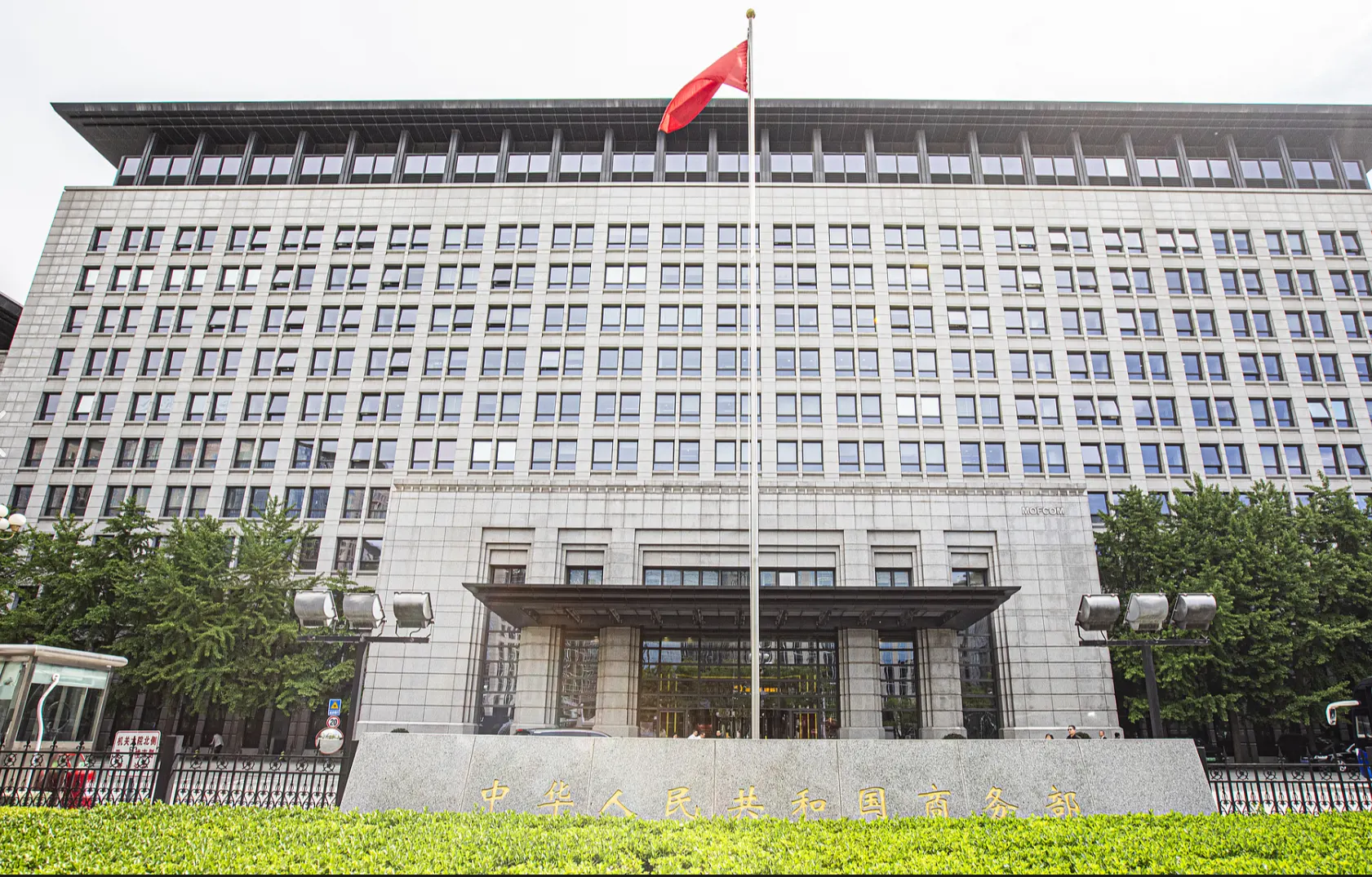
China’s Ministry of Commerce opened an anti-dumping investigation on Saturday into imports of p-nitrotoluene from the European Union, after two Chinese producers presented preliminary evidence that import prices from the bloc fell by nearly 60 percent between 2022 and 2025 while volumes stayed high, according to the ministry’s spokesperson. The investigation runs from 3 October 2026 and should normally conclude by 3 October 2027, with a possible six month extension to 3 April 2028 on our calculation.
What is under investigation
The product is p-nitrotoluene, also known as 4-nitrotoluene, a chemical intermediate used to make p-toluidine, DSD acid, p-nitrobenzoic acid, toluene diisocyanate and tolidine, with applications in dyes, pigments, pesticides and pharmaceuticals. It falls under tariff line 29042020; other products under that line are excluded. Jiangsu Huaihe Chemical and Hubei Dongfang Chemical filed the application on 14 September on behalf of China’s p-nitrotoluene industry, and the investigation opened 19 days later, on our calculation.
The p-nitrotoluene case timetable
| Step | Date |
|---|---|
| Application filed | 14 Sep 2026 |
| Investigation opened | 3 Oct 2026 |
| Dumping period | 1 Jul 2025 to 30 Jun 2026 |
| Injury period | 1 Jan 2022 to 30 Jun 2026 |
| Registration and comments close | 23 Oct 2026 |
| Normal conclusion | by 3 Oct 2027 |
| If extended six months | by 3 Apr 2028 |
Announcement No. 44 of 2026. The 23 October and 3 April 2028 dates are our calculation: 20 days from publication, and six months after the normal end date.
The dumping period covers 12 months and the injury period four and a half years, on our calculation. The announcement publishes no import volumes, import values or alleged dumping margins, so the size of the trade affected cannot be measured from the official text.
A wider chemicals backdrop
The case was opened at the request of the domestic industry, and the applicants’ preliminary evidence indicates that allegedly dumped imports from the EU have injured Chinese producers, the ministry’s spokesperson said. The spokesperson said China has kept a prudent and restrained approach to trade remedies, and that the EU has opened 28 trade remedy investigations into Chinese products since 2025, about half of them on chemicals, or about 14 on our calculation, including 3 recent cases on products such as PVC.
Why it matters: p-nitrotoluene feeds Chinese production of dyes, pigments, pesticides and pharmaceuticals, so any duties would change the cost of EU supply for those downstream makers. The case comes as, by the spokesperson’s count, about half of the EU’s 28 trade remedy investigations into Chinese products since 2025 have been on chemicals.
Outlook: interested parties have until 23 October to register and comment, on our calculation of the 20 day window, questionnaires normally follow within 10 working days of the registration deadline, and a final determination is due by 3 October 2027 unless extended.
Sources: Ministry of Commerce of China, The Edge.