Intra-GCC Exports Top 177 Billion Dollars as Albudaiwi Urges a Faster Customs Union
Exports between the 6 Gulf Cooperation Council states exceeded 177 billion dollars in 2025, 125 percent more than in 2007, GCC Secretary General Jasem Mohamed Albudaiwi told Gulf ministers in Manama on Sunday 11 October. His figure and the 146.0 billion dollars recorded for 2024 both measure intra-GCC trade by the value of exports between member states; on our calculation, the 2025 total is more than 21 percent higher. The announcement gave no breakdown of the 2025 figure.
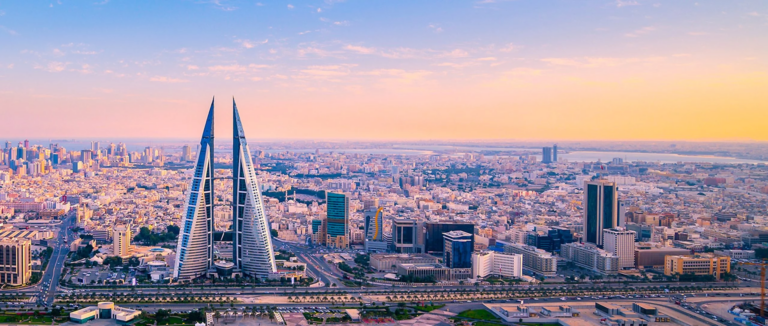
Albudaiwi used the figures to argue for faster completion of the GCC Customs Union and the GCC Common Market, which he called “crucial pillars for bolstering the competitiveness of GCC economies”. He spoke at the 10th meeting of the Permanent Preparatory Committee at the Ministerial Level of the Economic and Development Affairs Authority, chaired by Shaikh Salman bin Khalifa Al Khalifa, Bahrain’s Minister of Finance and National Economy and chairman of the current session.
A ministerial push behind the Jeddah targets
The Secretary General thanked His Majesty King Hamad bin Isa Al Khalifa, King of Bahrain and President of the current session of the GCC Supreme Council, for hosting the meeting. He recalled that Gulf leaders, at their consultative summit in Jeddah on 28 April 2026, called for completing the requirements for the final status of the Customs Union, implementing the targets of the Common Market on the ground and speeding up the GCC Railway project.
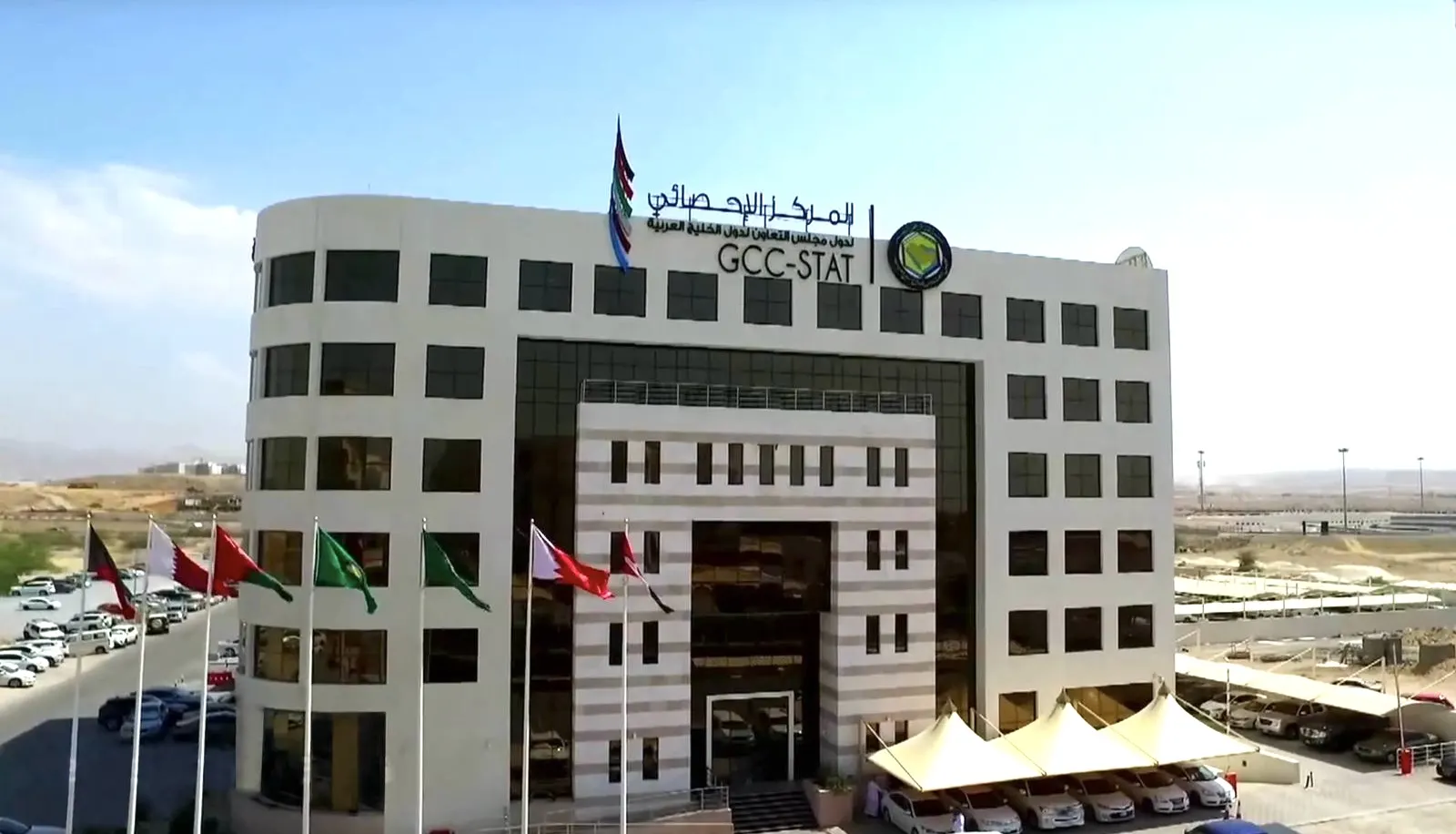
He cited 2025 indicators from the GCC Statistical Centre (GCC-Stat): GDP at current prices of 2.4 trillion dollars, ranking the bloc as the ninth largest economy in the world; a non-oil share of 79 percent of GDP; intra-GCC exports above 177 billion dollars; and an intra-GCC investment stock above 171 billion dollars, more than 21 percent of all inward foreign direct investment stock in member states. The Secretary General also linked the growth in intra-GCC trade to the role of the Common Market.
Re-exports accounted for most of the 2024 increase
The centre’s Foreign Trade Statistics 2024 report, the latest annual edition, puts intra-GCC merchandise trade, measured by total intra-GCC exports, at 146.0 billion dollars in 2024, up 9.8 percent from 133.0 billion in 2023. Exports to the rest of the world grew 3.4 percent over the same year, to 849.6 billion dollars, so exports between members grew at well over twice the pace of exports to the rest of the world.
Re-exports carried the year. On our calculation, goods re-exported between member states supplied 10.9 billion of the 13.0 billion dollar increase, or 83.8 percent, and their share of intra-GCC exports climbed to 46.5 percent from 42.9 percent. Nationally produced non-oil goods made up 30.8 percent of the total.
Intra-GCC Exports Reach 146.0 Billion Dollars in 2024
| Type | 2023 ($ bn) | 2024 ($ bn) | Change |
|---|---|---|---|
| Re-exports | 57.0 | 67.9 | +19.1% |
| National non-oil exports | 43.3 | 44.9 | +3.7% |
| Oil and gas exports | 32.7 | 33.2 | +1.5% |
| Total intra-GCC exports | 133.0 | 146.0 | +9.8% |
Intra-GCC merchandise trade measured by total intra-GCC exports, from the centre’s Foreign Trade Statistics 2024. Changes as published.
The 2024 gain extends a longer climb. Intra-GCC exports stood at 78.3 billion dollars in 2017; the 2024 level is 86.5 percent higher on our calculation, a compound gain of 9.3 percent a year through a 12.7 percent dip in 2020 during the Covid-19 pandemic. Intra-GCC exports were equal to 17.2 percent of the bloc’s exports to the rest of the world in 2024, on our calculation.
Kuwait and Qatar post the fastest member gains
The UAE remained the largest contributor, with 47.9 percent of intra-GCC exports. On our calculation, Saudi Arabia’s 6.0 billion dollar rise was the largest of any member, 46.2 percent of the bloc’s increase. The 2 economies together accounted for 75.8 percent of the total.
Kuwait recorded the fastest growth, 64.5 percent, lifting its intra-GCC exports to 10.2 billion dollars from 6.2 billion. Qatar rose 37.8 percent to the same 10.2 billion dollars, so the 2 now hold an equal 7.0 percent share. Oman’s intra-GCC exports were 4.2 percent lower at 7.9 billion dollars and Bahrain’s 28.1 percent lower at 7.1 billion.
Kuwait and Qatar Lead Intra-GCC Export Growth in 2024
| Member | 2024 ($ bn) | Share | Change |
|---|---|---|---|
| UAE | 69.9 | 47.9% | +5.1% |
| Saudi Arabia | 40.7 | 27.9% | +17.2% |
| Kuwait | 10.2 | 7.0% | +64.5% |
| Qatar | 10.2 | 7.0% | +37.8% |
| Oman | 7.9 | 5.4% | -4.2% |
| Bahrain | 7.1 | 4.9% | -28.1% |
Each member’s total exports to other GCC states. 2023 values: UAE 66.5, Saudi Arabia 34.7, Kuwait 6.2, Qatar 7.4, Oman 8.3, Bahrain 9.9 billion dollars. Changes as published.
Why it matters: In 2024 exports between member states grew faster than exports to the rest of the world, with re-exports and fast-rising flows from Kuwait and Qatar doing much of the work, and the 2025 figure puts intra-GCC exports at a higher level again. Together with an intra-GCC investment stock above 171 billion dollars, that gives the Customs Union and the Common Market a sizeable base to build on, which is the case Albudaiwi put to ministers in Manama.
Outlook: The leaders’ Jeddah agenda sets the next steps: the final status of the Customs Union, the Common Market targets and the GCC Railway. The centre’s 2025 foreign trade report will set out the composition of the more than 177 billion dollars of intra-GCC exports cited on Sunday.
Sources: GCC General Secretariat, GCC Statistical Centre, The Edge.