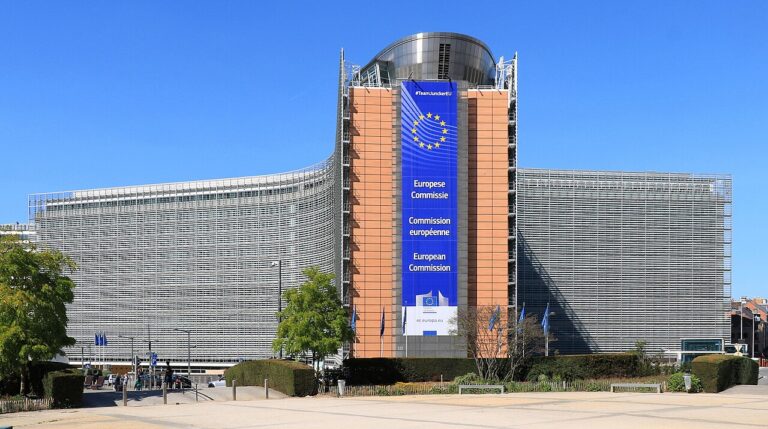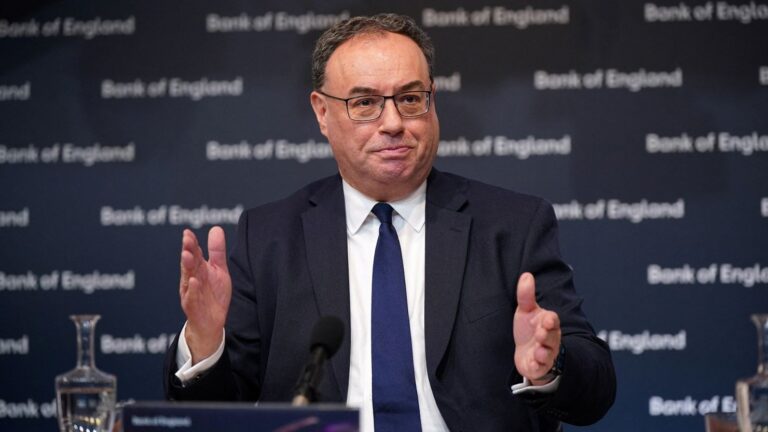
European Commission Calls for Very Prudent Budgets Before Its 24 November Fiscal Review
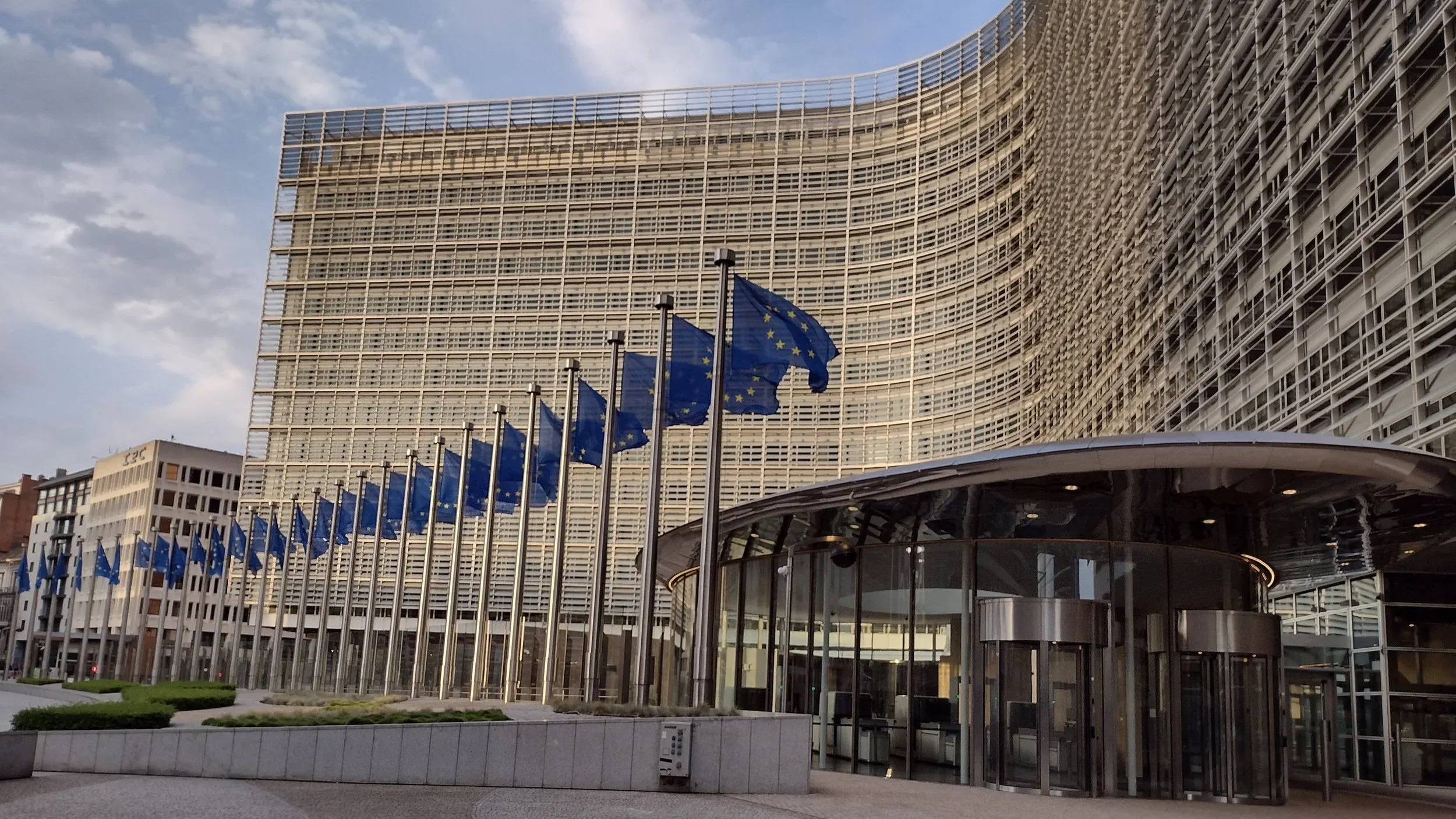
The Takeaway: The European Commission called for very prudent fiscal policies after the Eurogroup met on 9 November, citing high deficits, rising debt in some high-debt countries and wider interest rate spreads. Its Autumn Economic Forecast follows on 17 November and its assessment of compliance with the EU fiscal rules on 24 November. Ministers also discussed defence financing with NATO’s Secretary General and took stock of candidacies for the ECB presidency, one of three Executive Board seats whose terms end between January and May 2027.
Wider interest rate spreads point to concerns about some high-debt countries’ public finances, Commissioner Dombrovskis said after Monday’s Eurogroup, calling compliance with EU fiscal rules imperative for 2027 budgets.
For euro area governments and bond investors, the warning comes eight days before the Commission’s Autumn Economic Forecast and 15 days before its assessment of compliance with the fiscal rules. In The Edge’s reading, the meeting put two claims on the same budgets: the Commissioner wants very prudent fiscal policies, while both he and the Eurogroup President said higher defence spending has to be financed from public finances that are already under pressure.
Commission Calls for Very Prudent Budgets Before Its 17 November Forecast
Growth data this year have been more positive than expected, the Commissioner said, but the economic prospects remain clouded in uncertainty, especially over energy prices, which remain very high and volatile. He described the moment as a critical juncture for fiscal policy.
He will present the Commission’s Autumn Economic Forecast on 17 November. On 24 November, the Commission publishes its European Semester Autumn Package, which assesses whether member states comply with the EU fiscal rules.
Deficits remain high and debt is still rising in some high-debt countries, he said. “This calls for very prudent fiscal policies,” Dombrovskis said, adding that compliance with the rules is imperative to keep the framework credible and that 2027 budgets should deliver on this collective responsibility.
Eurogroup President Points to Oil Swings and Gas at Roughly Three Times Pre-War Levels
Over the past ten days, Eurogroup President Kyriakos Pierrakakis said, Brent crude came close to $118 a barrel. It then fell to $94 as hopes grew for a diplomatic solution to the war, while the situation in the Strait of Hormuz remained largely unchanged.
On those figures, the drop from the high was up to $24 a barrel, roughly a fifth of the peak. Families, he said, “cannot adjust their household budgets at the same speed” as markets.
European natural gas prices remain roughly three times their pre-war levels, and euro area inflation reached 4% in October, the Eurogroup President said. Underlying inflation has stayed stable so far, he said, but sustained pressure on energy prices calls for continued vigilance. The October figure was set out here on 4 November.
Labour markets remain strong, he said. Support for those most affected must be targeted and temporary, he said, so that it reaches those who genuinely need it, while fiscal stability is safeguarded.
Ministers Weigh Defence Spending, the Digital Euro and Bank Risks
NATO Secretary General Mark Rutte joined ministers for a discussion of defence financing, with non-euro area finance ministers also taking part. The Commissioner summed up the task in three points: spend more, spend better and spend together.
EU defence spending is rising steadily, from around 1.2% of GDP in 2021 to an expected 2% by 2027, he said. On those rounded figures, that is a gain of 0.8 percentage points of GDP in six years.
Spending better means more investment in defence research and development, which can lift innovation and productivity across the wider economy, especially where technologies have both military and civilian uses, he said. Procurement remains too fragmented, he said, with member states still largely buying nationally, and scaling up joint procurement will be key to Europe’s defence production capacity.
Fiscal space is limited and public finances face competing priorities, so member states will need to reprioritise their national budgets gradually, the Commissioner said. The national escape clause offers flexibility until 2028, he added, so planning for that reprioritisation cannot wait.
The Eurogroup President said defence spending will need to stay at elevated levels in the years ahead, putting further strain on already tight public finances. He set out four priorities: more joint European procurement, more investment in research and new technologies, continued support for Ukraine with closer cooperation between European and Ukrainian defence industries, and more private capital for start-ups and small and medium-sized firms developing defence technologies.
On the digital euro, the co-legislators are moving at a steady pace, the Commissioner said, and the Commission aims for an agreement by the end of this year under its “One Europe, One Market” roadmap. Negotiations between the Council and the European Parliament are entering their final stage, the Eurogroup President said.
Ministers also examined the ECB’s Pontes and Appia initiatives. Pontes aims to connect existing Eurosystem infrastructure with distributed ledger technologies, while Appia explores new financial transaction infrastructure over the longer term.
The chairs of the ECB’s Supervisory Board and the Single Resolution Board briefed ministers. Their assessment confirms that the European banking sector remains financially sound, the Commissioner said.
Artificial intelligence and digitalisation offer better services and efficiency, the Eurogroup President said, but bring new risks to cybersecurity and to banks’ operational resilience. Further progress towards completing the Banking Union remains essential, he said, and ministers plan to return to these issues next year, after the Commission’s forthcoming legislative proposals.
Three ECB Board Seats Fall Vacant Within Five Months
The Eurogroup also took stock of the candidacies to succeed ECB President Christine Lagarde, who steps down on 7 February. The nomination process has begun in coordination with the President of the European Council. The two candidates, Pablo Hernández de Cos of Spain and Klaas Knot of the Netherlands, were set out here on 7 November.
On the ECB’s table of terms, Isabel Schnabel’s seat on the Executive Board ends on 3 January and Philip Lane’s on 31 May. All three posts may be considered together by EU leaders to help reach consensus, the Eurogroup President said, with the final decision resting with the European Council.
Three of the Executive Board’s six seats are to be filled between 3 January and 31 May 2027, as Lagarde and Schnabel step down and Lane’s term ends. That is a span of 148 days. Schnabel’s term ends 55 days after Monday’s meeting, and the next Eurogroup, on 10 December, falls 31 days after it.
ECB Executive Board seats to be filled
| Member | Since | Term ends |
|---|---|---|
| Christine Lagarde (President) | 1 Nov 2019 | 7 Feb 2027 |
| Isabel Schnabel | 1 Jan 2020 | 3 Jan 2027 |
| Philip R. Lane | 1 Jun 2019 | 31 May 2027 |
Dates as printed in the official table of Executive Board members’ terms of office; the Board has six members, including the President and the Vice-President.
What to watch: 17 November: the Commission’s Autumn Economic Forecast. 24 November: the European Semester Autumn Package, with the assessment of compliance with the EU fiscal rules. 10 December: the next Eurogroup meeting. 3 January 2027: Isabel Schnabel’s term on the ECB Executive Board ends. 7 February 2027: Christine Lagarde steps down as ECB President.
Figures are from the European Commission’s statement of remarks at the Eurogroup press conference, the Eurogroup President’s remarks and the meeting’s main results, all dated 9 November 2026, and the ECB’s table of Executive Board members’ terms of office; percentages, day counts and comparisons not attributed to a source are The Edge’s calculations.
Sources: European Commission, Council of the European Union, European Central Bank, The Edge.