Bahrain Inflation at 3.1% in September, Led by Transport and Food, as Rents Ease

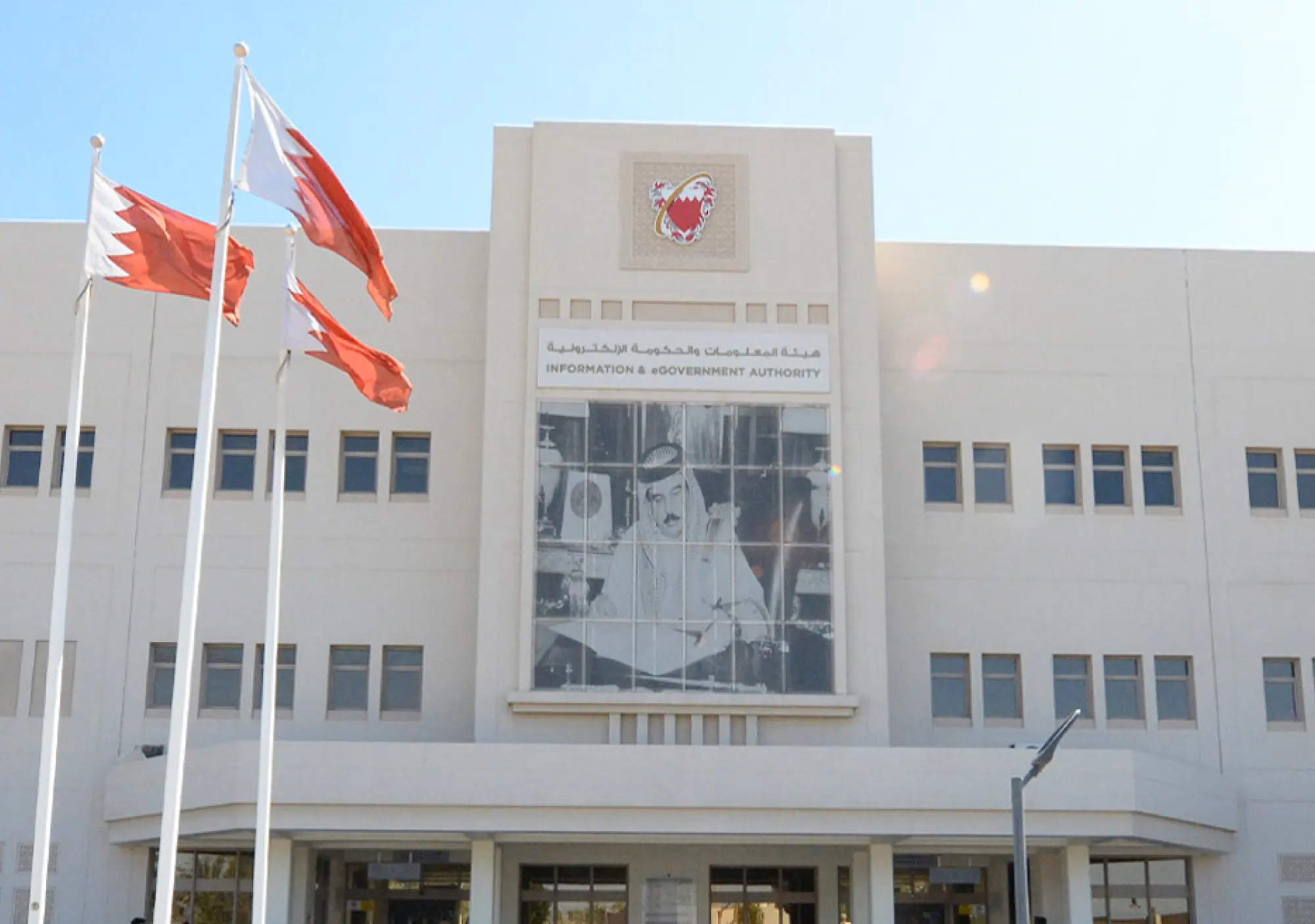
The Takeaway: Bahrain’s consumer prices rose 3.1% in the year to September 2026, according to the Information & eGovernment Authority, with transport and food behind the rise. Housing costs eased 1.3% on lower rents, and clothing and footwear prices were 9.1% lower. Transport and food together added more than the full 3.1% rate, so the other ten spending divisions combined brought it down.
Higher fuel and food costs lifted Bahrain’s annual inflation to 3.1% in September, while lower rents eased housing costs by 1.3% from a year earlier, official figures show.
For households and businesses in Bahrain, the rise is concentrated in two of the twelve spending divisions, according to the authority’s report released on 26 October. Transport added 2.3 percentage points to the annual rate and food and non-alcoholic beverages 1.2 points, together more than the full rate, so the other ten divisions combined lowered it. In The Edge’s reading, September’s rise reflects fuel and food prices rather than pressure across the whole basket, with declines in rents and clothing offsetting part of their contribution.
Transport and food drive the annual rise
Transport prices were 11.6% higher than in September 2025, the largest increase of any division. The authority attributes the rise to higher fuel prices.
Within transport, the operation of personal transport equipment, the group that covers running a vehicle, rose 17.4%. Transport services rose 19.8% and the purchase of vehicles 8.4%.
Food and non-alcoholic beverages rose 8.0% on the year, which the report attributes to higher food prices. Food alone rose 8.9%, while non-alcoholic beverages rose 1.2%.
Meat led the food items with a 19.4% annual increase, followed by vegetables at 15.2%. Fruit rose 13.7% and bread and cereals 8.6%.
Alcoholic beverages and tobacco rose 3.4%, the third largest annual increase among the divisions. Miscellaneous goods and services rose 2.5%.
The 3.1% rate is the highest in the authority’s annual series since December 2022, when it stood at 3.6%. A year earlier, in September 2025, the rate was 0.0%, and it reached 3.0% in both July and August this year.
Bahrain consumer prices by division, September 2026 (change in %)
| Division | On year | On month |
|---|---|---|
| All items | 3.1 | 0.7 |
| Transport | 11.6 | 2.8 |
| Food and non-alcoholic beverages | 8.0 | 1.4 |
| Alcoholic beverages and tobacco | 3.4 | 3.3 |
| Recreation and culture | 2.9 | -6.8 |
| Miscellaneous goods and services | 2.5 | 0.5 |
| Furnishings and household equipment | 0.9 | 1.3 |
| Restaurants and hotels | 0.8 | 0.3 |
| Communication | 0.2 | 0.3 |
| Education | 0.0 | 0.0 |
| Health | -0.1 | 0.0 |
| Housing, water, electricity, gas and other fuels | -1.3 | -0.2 |
| Clothing and footwear | -9.1 | 0.3 |
Index base April 2019 = 100; the all items index stood at 104.9 in September 2026. Divisions follow the COICOP 1999 classification and are ranked by annual change.
Lower rents and clothing prices offset part of the rise
Housing, water, electricity, gas and other fuels, the division that includes rents, fell 1.3% on the year and subtracted 0.3 percentage points from the annual rate. The report attributes the decline to lower rental house prices.
Actual rents paid by tenants fell 2.1% on the year. Imputed rents, the estimate of housing costs for owner occupiers, fell 3.1%.
Clothing and footwear prices fell 9.1% and also subtracted 0.3 points, which the report attributes to lower clothing prices. Clothing fell 8.0% and footwear 17.3%.
Education prices were unchanged on the year. The education index has stayed at 111.4 since September 2025, when it rose 2.8%. The report notes that education carries 8.6% of the basket’s weight and is priced once a year.
Health prices eased 0.1% on the year and communication rose 0.2%. Accommodation services, part of restaurants and hotels, were 12.8% cheaper than a year earlier.
Prices rise 0.7% on the month, a fifth straight monthly gain
The index rose 0.7% from August to 104.9 points. That is 4.9% above its April 2019 base. It has risen every month since May, five monthly gains in a row, after no change in April.
Alcoholic beverages and tobacco led the monthly increases with a 3.3% rise. Within the division, alcoholic beverages rose 15.9%. Transport rose 2.8% on the month, including a 4.7% increase in vehicle purchase prices.
Recreation and culture fell 6.8% from August. Within it, package holiday prices dropped 17.2%. The report gives no reason for either move.
Since December 2025, the index has risen 3.2%. Over the first nine months of 2026, the index averaged 2.0% above the same period of 2025.
The authority also publishes the index by nationality. The index for Bahrainis reached 105.0 in September, up 3.2% on the year. The index for non-Bahrainis reached 104.0, up 2.9%.
What to watch: Bahrain’s consumer price index for October, due on 26 November 2026 according to the authority’s release calendar; the producer price index for October is listed for 30 November.
Figures are from the Information & eGovernment Authority’s Consumer Price Index report for September 2026, released on 26 October 2026, and its consumer price datasets on the Bahrain Open Data Portal, updated on 31 October 2026; percentages and comparisons not attributed to a source are The Edge’s calculations.
Sources: Information & eGovernment Authority, The Edge.