Lebanese Banks Call Weekly Strikes Over Demand to Amend Five Years of Tax Returns

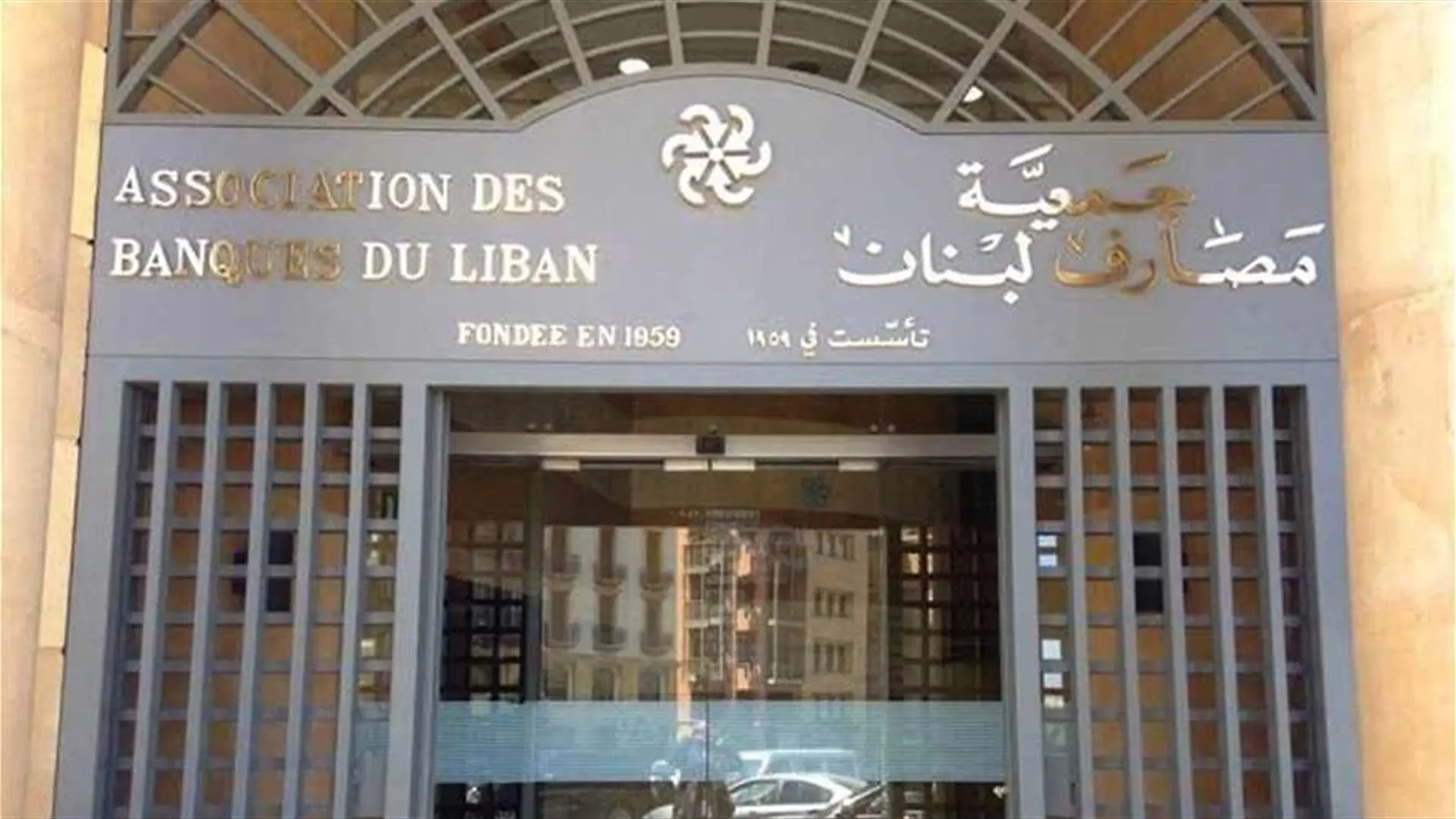
The Takeaway: The Association of Banks in Lebanon has called a warning strike every Wednesday from 18 November, rejecting a Finance Ministry request to amend banks’ tax returns for 2020 to 2024. At issue, the association says, are foreign exchange gains from revaluing accounts and the ministry’s demand that provisions held against defaulted Eurobonds be returned to the tax base. The ministry says it is applying the law, has already extended the banks’ deadline to 15 December and will not be moved by pressure.
Lebanon’s banks plan to strike on Wednesday, the first of weekly stoppages called in their dispute with the Finance Ministry over taxing currency revaluation gains and Eurobond provisions.
The Association of Banks in Lebanon took the decision unanimously at a meeting on 16 November. Its statement calls a warning strike every Wednesday over the coming weeks and authorizes the board to suspend or cancel it if the authorities respond, or to escalate if they do not, without returning to the general assembly.
The Ministry of Finance answered the same evening. It said legal obligations are not suspended under pressure, and that disrupting citizens’ business would not make it back down from applying the law.
Banks say the gains exist only on paper
The ministry’s request covers banks’ tax returns for 2020 to 2024. The association names two items in particular. One is exchange differences, including on banks’ currency positions. The other is provisions, money set aside against expected losses, held on Eurobonds, the government’s foreign currency bonds. The ministry wants those provisions returned to the tax base.
The exchange differences arise solely from revaluing accounts as the Lebanese pound’s exchange rate deteriorated, the association said, and are not real profits. They add nothing to banks’ wealth or to their capacity to pay tax.
The provisions were built, the association says, to meet actual losses from the state’s failure to repay its Eurobonds, under the accounting and supervisory rules in force. In a letter to the finance minister carried by the National News Agency on 6 November, the association added that they were made with the approval of the Banking Control Commission.
Collecting the tax would drain part of the cash liquidity banks still hold and cut their capacity to repay depositors, the association said. It wants the request withdrawn and the law amended where needed to exclude both items, and it points to parliament’s debate on the draft budget law as the moment to do so.
The statement does not say which banking services the planned Wednesday stoppages would cover.
The ministry says the law applies to banks as to everyone
The ministry’s reply calls its demand a matter of applying the tax laws in force, as confirmed by opinion No. 11/2025 of the Legislation and Consultations Commission. Tax obligations cover every institution and sector, banks included, without exception, it said.
It had already given banks time to correct their returns, the ministry said, and then extended that period again, to 15 December 2026, at the association’s request. Meetings with the tax administration were to take place in that window to discuss the banks’ questions and the technical basis of the treatment.
The banks chose to call a strike instead of completing that agreed process, the ministry said. It added that protecting depositors does not conflict with tax obligations and cannot justify exempting any sector, and that it keeps the door to dialogue open, provided talks rest on facts, documents and the law.
Banque du Liban, the central bank, has published no statement on the dispute.
The dispute goes back to a 2024 query on provisions
The ministry set out the history in a statement on 3 November. The association wrote to it in September 2024 asking whether Article 7, clause 8, of the Income Tax Law allowed banks to deduct provisions for potential losses from their taxable base.
The ministry’s Revenue Directorate thought it did not but chose to seek the opinion of the Legislation and Consultations Commission. The commission’s opinion, dated 14 January 2025, agreed with the directorate, and the ministry then asked banks to amend their returns. It did not examine the banks’ tax files or issue assessments, it said, to keep dialogue with them constructive.
The ministry’s case rests on a distinction between realized and unrealized results. In its example, Eurobonds fell from $1 to $0.06. Banks booked the $0.94 difference as a loss against taxable income while still holding the bonds.
When the price later rose to around $0.25, a gain of $0.19 per bond, banks did not add that back, the ministry said, calling this a double standard.
That later price is more than four times the low. The rebound equals 20% of the amount written down.
The tax dispute in dates
| Date | Step |
|---|---|
| 23 Sep 2024 | Association letter No. 10623 asks about deducting provisions |
| 14 Jan 2025 | Commission opinion No. 11/2025 sides with the Revenue Directorate |
| 3 Nov 2026 | Ministry statement sets out its position |
| 6 Nov 2026 | Association letter to the finance minister rejects the request |
| 16 Nov 2026 | Association calls weekly strike; ministry replies |
| 18 Nov 2026 | First Wednesday strike scheduled |
| 15 Dec 2026 | Extended deadline for amended returns |
Dates as printed in the documents, or the day the National News Agency carried them.
The 16 November statements from both sides give no figure for the tax at stake.
In The Edge’s reading, the calendar matters more than the rhetoric: four scheduled strike Wednesdays fall before the ministry’s 15 December deadline, and the board already holds the power to call the stoppages off. Whether the budget debate the banks cite produces a legal change, or the tax administration meetings produce a technical one, decides which way that power is used.
What to watch: the first strike, scheduled for Wednesday 18 November, with the association’s board empowered to suspend, cancel or escalate; and the extended deadline of 15 December 2026 for the banks’ amended tax returns.
Method: the strike decision and the banks’ position are from the Association of Banks in Lebanon’s statement dated Beirut, 16 November 2026, and its letter to the finance minister carried by the National News Agency on 6 November 2026; the ministry’s position is from the Ministry of Finance statements carried by the National News Agency on 16 November and 3 November 2026. The Eurobond price multiple and share and the count of strike Wednesdays are The Edge’s calculations.
Sources: Association of Banks in Lebanon, Lebanon’s Ministry of Finance, National News Agency (NNA), The Edge.