Kevin Warsh Takes Fed Helm as Inflation and Bond Yields Test Policy Independence
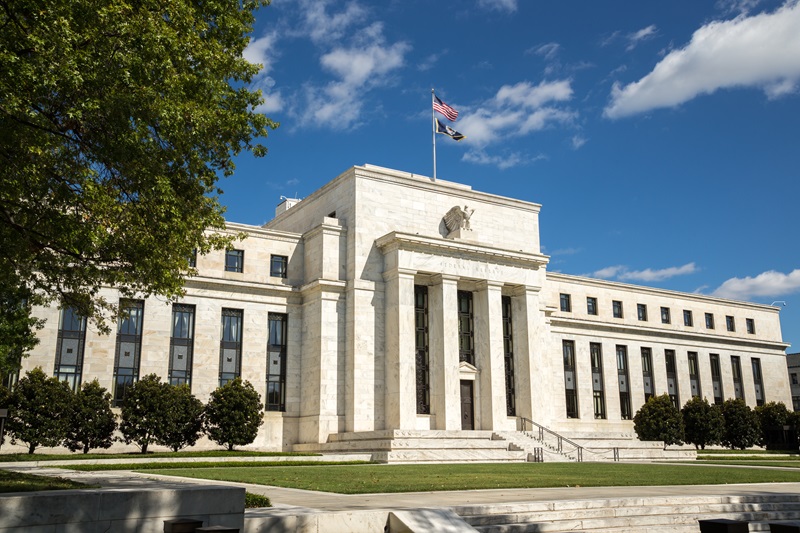
The US Federal Reserve. — مبنى مجلس الاحتياطي الفيدرالي الأمريكي.
Kevin Warsh has taken over as the 17th Chair of the Federal Reserve at a critical moment for US monetary policy, as inflation pressures, rising bond yields and political scrutiny increase the challenge facing the central bank.
Key insights:
- Warsh assumes the Fed leadership after Senate confirmation and a White House swearing in ceremony, replacing Jerome Powell as Chair, while Powell may remain on the Fed Board until January 2028.
- Trump publicly urged Warsh to lead the Fed independently, aiming to calm investor concerns that political pressure could influence future rate decisions.
- The transition comes as US CPI rose 3.8% year on year in April, the fastest pace since 2023, keeping pressure on the Fed’s 2% target credibility.
- The Fed recently kept rates unchanged in the 3.5% to 3.75% range, but the decision exposed internal division over the future path of policy.
- The latest vote reportedly showed an 8 to 4 split, the largest dissent since 1992, highlighting disagreement over whether policy guidance has become too dovish.
- Warsh has pledged broad institutional reforms, including reducing the Fed’s $6.7 trillion balance sheet, reviewing inflation analysis and improving public communication.
- Treasury markets remain sensitive to the transition, with higher yields reflecting inflation risk, fiscal concerns and uncertainty over Fed independence.
The main takeaway is that Warsh begins his term with limited room for error. Cutting too early could damage inflation credibility, while staying restrictive for too long could weigh on growth, markets and debt servicing costs.
For investors, the early Warsh era will be defined by inflation persistence, Treasury yield stability and whether the Federal Reserve can preserve its independence under political pressure.