Oman Q1 Budget Deficit Narrows Sharply as Energy Revenues Rise
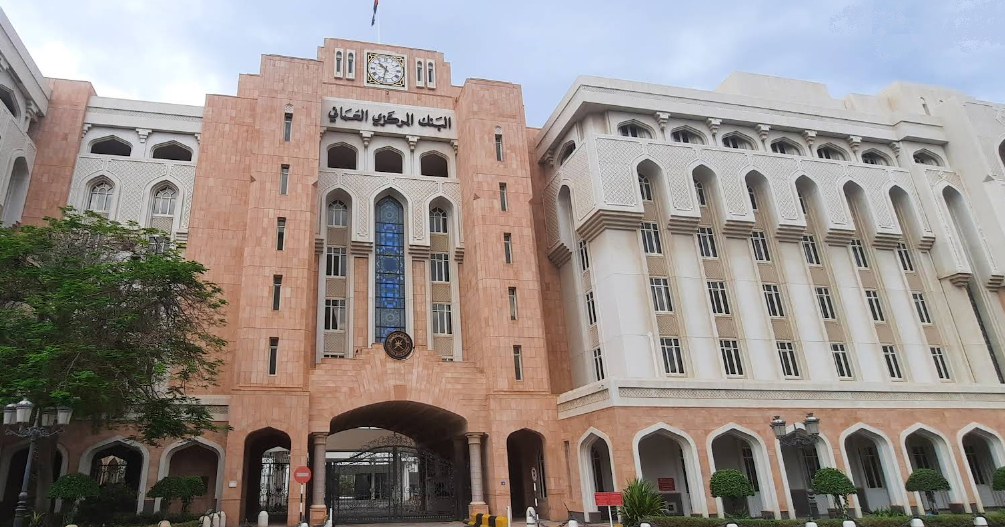
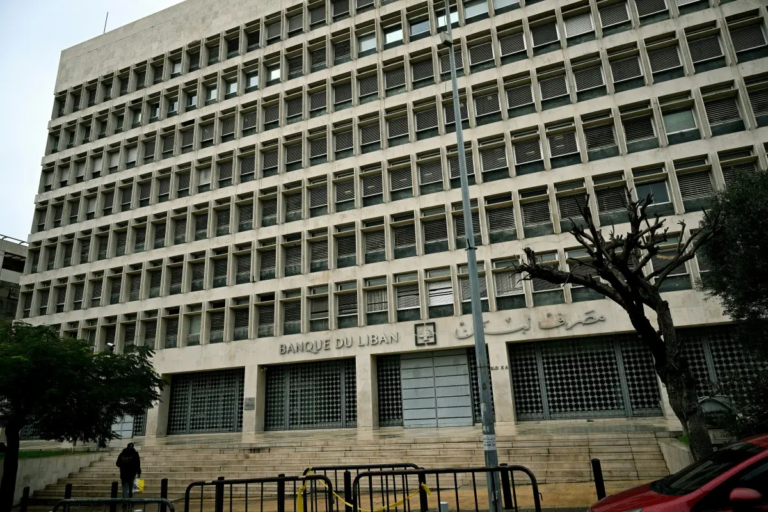
The Central Bank of Oman.
ADVERTISEMENT
Sponsorships
Align your brand with trusted regional economic intelligence
Learn more →
Oman’s fiscal position improved significantly in the first quarter of 2026, with the budget deficit falling sharply despite oil revenue timing rules that mean the latest rise in crude prices has not yet fully appeared in government accounts.
Key insights:
ADVERTISEMENT
Advertise with Us
Reach business leaders and decision makers across the region
Learn more →
- Oman recorded a Q1 2026 budget deficit of OMR 25 million, compared with OMR 136 million in the same period last year, a reduction of about 82%.
- Total revenue rose 13% to OMR 2.985 billion, while public spending increased 9% to OMR 3.010 billion.
- Net oil revenue increased 5% to OMR 1.535 billion, while net gas revenue grew 36%, highlighting stronger hydrocarbon support.
- Current revenues rose 13% to OMR 817 million, adding further support to the fiscal position.
- Development spending increased 31% to OMR 334 million, showing that Oman is reducing fiscal pressure while still funding economic transformation projects.
- The Q1 deficit represents only about 5% of Oman’s official 2026 budgeted deficit of OMR 530 million.
- The official 2026 budget was based on estimated revenue of OMR 11.447 billion, expenditure of OMR 11.977 billion, and an oil price assumption of USD 60 per barrel.
- Oil revenue is recognized after delivery and payment collection, meaning Q1 data may not yet fully capture the recent rise in oil prices following regional tensions.
- Oman’s geography adds strategic value because key export and logistics routes can operate outside the Strait of Hormuz, supporting its role as a regional maritime hub.
The main takeaway is that Oman’s fiscal story is improving faster than headline numbers suggest. Higher oil and gas revenues, controlled spending, stronger current revenues, and delayed recognition of recent oil price gains could support better fiscal performance in coming quarters.
This improvement also reflects years of fiscal consolidation, debt reduction and spending discipline, which helped restore Oman’s sovereign rating to investment grade.
ADVERTISEMENT
Advertise with Us
Reach business leaders and decision makers across the region
Learn more →

Disclaimer: Information, opinions, market data, and content published by The Edge for Economic Consultancy Company W.L.L. on its website, social media channels, and other communications are provided for informational purposes only and do not constitute investment, financial, legal, or tax advice, nor an offer, solicitation, or recommendation regarding any security, financial instrument, or investment. Opinions are subject to change without notice. While sources are believed to be reliable, no representation or warranty is made as to the accuracy, completeness, or timeliness of any information. Past performance is not indicative of future results. Readers should seek independent professional advice before making financial decisions. To the fullest extent permitted by law, The Edge for Economic Consultancy Company W.L.L. shall not be liable for any loss arising from reliance on this content.