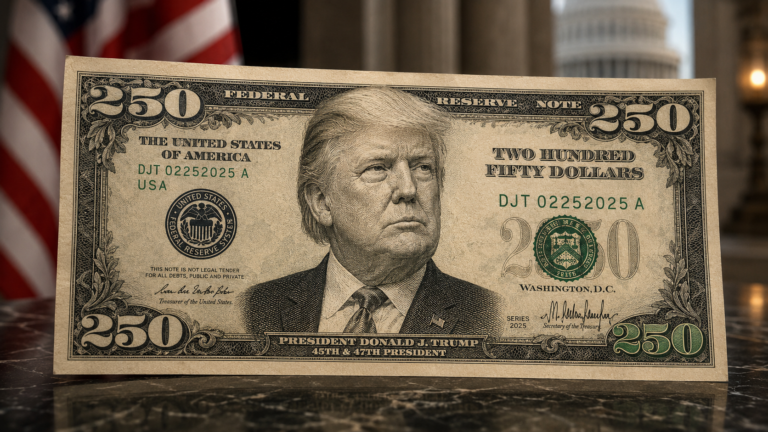
US Rates: Inflation and Energy Risk Narrow the Fed’s Room for Cuts
The latest US inflation data, alongside President Trump’s comments that the Iran war could delay his rate cut plans, further complicates the path toward monetary easing.
April CPI rose 3.8% year on year and 0.6% month on month, moving further away from the Fed’s 2% objective. Core CPI rose 2.8%, food increased 3.2%, shelter rose 3.3%, and energy climbed 17.9%, with gasoline up 28.4%.
The energy channel is central. In April alone, energy prices rose 3.8% and accounted for more than 40% of the monthly CPI increase, reinforcing the risk that oil driven inflation could keep policy tighter for longer.
This matters because the Fed kept the target federal funds range unchanged at 3.50% to 3.75% at its April meeting. The statement noted that inflation remains elevated partly because of higher global energy prices, while Middle East developments are adding a high level of uncertainty to the economic outlook.
With energy shocks feeding into inflation expectations, the question is no longer only whether policymakers want easier financial conditions. It is whether inflation dynamics allow the Fed to cut rates without weakening credibility.
The main takeaway is that rate cuts are not just a political preference. They depend on whether energy driven inflation proves temporary, whether core inflation stabilizes, and whether the Fed can preserve credibility while managing geopolitical uncertainty.