Aluminium Near Four Year High as China Output Risks Tighten Supply Outlook
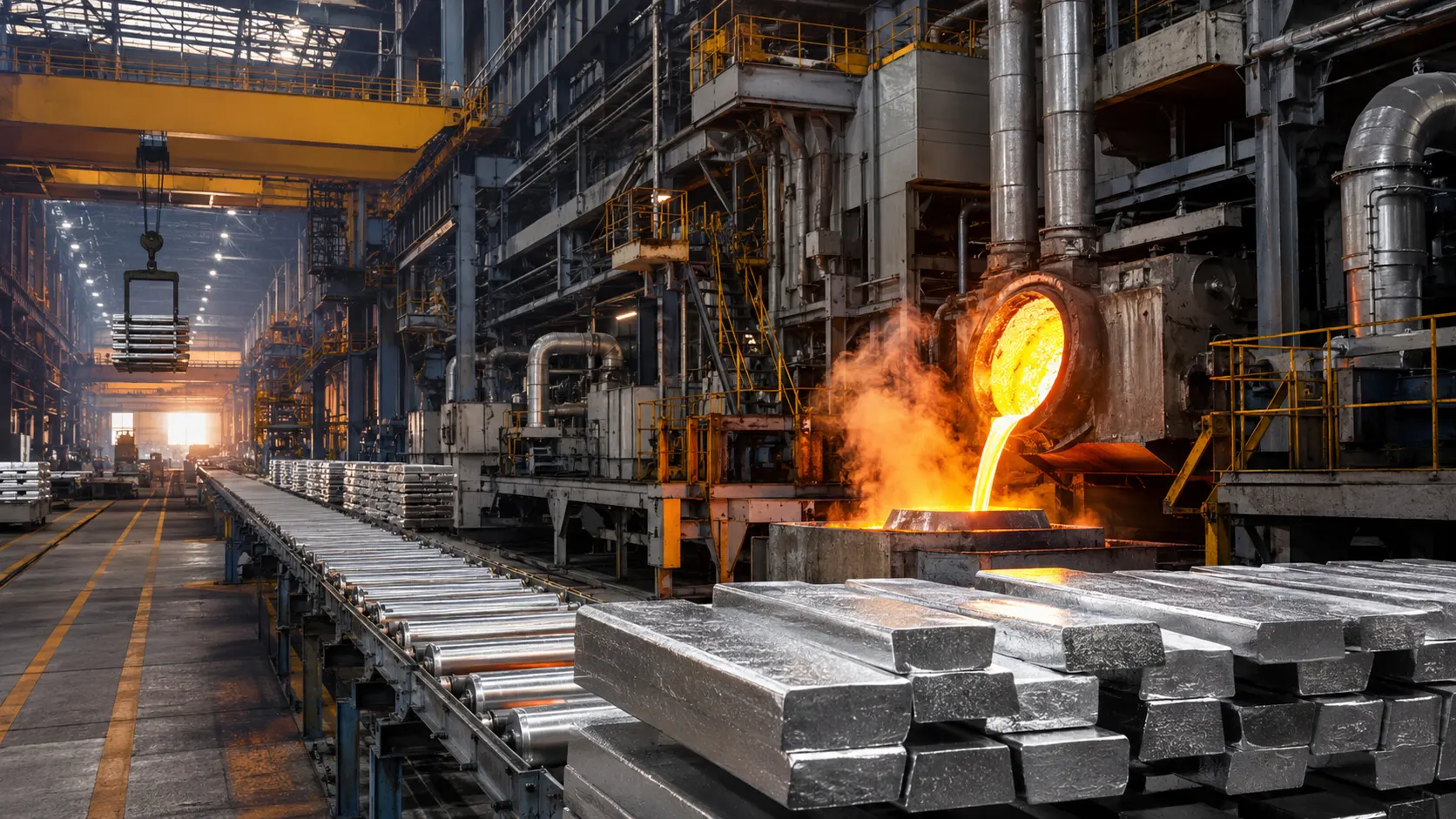
Aluminium prices have surged close to their highest level in four years as markets react to potential production cuts in China, the world’s largest producer. Trading at $3,678 per tonne on May 26—up 0.75% on the day—the metal has extended gains of 2.7% over the past month and 48% year on year, reflecting a supply-driven rally of significant scale. The rally is underpinned by supply concerns linked to Middle East disruptions and emerging constraints on Chinese output, marking a fundamental shift in how markets are pricing the industrial metal.
**China’s Critical Role in Global Aluminium Supply**
China dominates global aluminium production, accounting for the lion’s share of primary aluminium output. The country produced 3.87 million tonnes of primary aluminium in April, up 3.1% year on year, with daily output averaging 129,000 tonnes. This pace of production is notable, yet it masks a critical constraint: China is now operating close to its long-standing 45 million tonne annual aluminium capacity ceiling, a self-imposed limit that strengthens the supply-side thesis considerably.
This capacity ceiling is not merely a theoretical construct. It reflects China’s policy commitment to managing energy consumption and emissions across energy-intensive industries. With aluminium production already approaching this structural ceiling, any enforcement of production constraints becomes critical for global supply dynamics. The margin between current output and the capacity limit has narrowed significantly, meaning that even modest reductions in production would have outsized impacts on global markets.
**Energy Policy as a Supply Constraint**
Chinese authorities are conducting comprehensive inspections of energy use and emissions across key industries, including steel, aluminium and oil refining. These measures represent a tightening of regulatory pressure on energy-intensive sectors. Notably, these inspections have already begun affecting production at individual facilities: one smelter in Baise, Guangxi, reduced molten aluminium output, though the exact volume of the reduction remains undisclosed.
The cumulative effect of such production cuts, if they spread across China’s aluminium smelter base, could materially tighten global supply. LME aluminium rose around 1% intraday to trade near $3,673 per tonne, approaching its highest level since March 2022. Shanghai aluminium climbed as much as 1% to 24,710 yuan per tonne before trimming gains, reflecting heightened supply concerns centred on China. The divergence between these two pricing centres—LME and Shanghai—underscores the intensity of regional supply concerns.
**Structural Demand Drivers Provide Foundation**
Demand remains supported by secular, structural trends that extend beyond cyclical economic activity. Power infrastructure modernisation, electric vehicle production, renewable energy capacity expansion, data centre construction and AI-related electricity consumption all depend on aluminium. These demand drivers are not temporary. They represent multi-year trends that should underpin sustained demand for the industrial metal regardless of near-term economic cycles.
EV production growth has been particularly supportive, with aluminium used extensively in vehicle bodies and battery enclosures. Renewable energy infrastructure—wind turbines, solar panel frames and supporting structures—requires significant aluminium volumes. Data centres and AI infrastructure require cooling systems and structural components that depend on aluminium. These structural demand factors differentiate the current rally from purely cyclical commodity moves.
**Geopolitical Disruptions Add Additional Support**
Beyond China’s domestic supply constraints, geopolitical disruptions to commodity flows continue to support industrial metals broadly. Supply chain uncertainties and Middle East-related disruptions create additional premiums for secure, diversified supply. These factors, combined with China’s production constraints, create a multi-layered supply tightening that extends beyond any single region or policy intervention.
**The Outlook: Rally Supported but Not Without Risk**
The main takeaway is clear: aluminium is no longer moving on cyclical demand alone. The market is supported by tighter supply, China’s production constraints, energy policy risk and geopolitical disruption to commodity flows. This supply-driven rally has structural foundations that should persist as long as demand from EVs, renewables and data centres remains robust.
However, the key risk remains that weaker Chinese demand or higher scrap supply could cap the rally. Prices have already extended significantly—up 48% year on year—and extended moves often invite profit-taking. Higher aluminium prices may also encourage more scrap recycling, which could increase secondary supply and weigh on primary aluminium prices.
If Beijing enforces output limits more firmly, aluminium prices could stay elevated and reinforce cost pressures across industrial supply chains. Conversely, if demand weakens materially, the sharp rally could reverse. For now, the balance of risks appears tilted toward further supply tightening, but investors should remain alert to signs of demand deterioration or policy reversals in China.