Asian Rice Prices Jump 20% as War and Weather Pressure Food Security
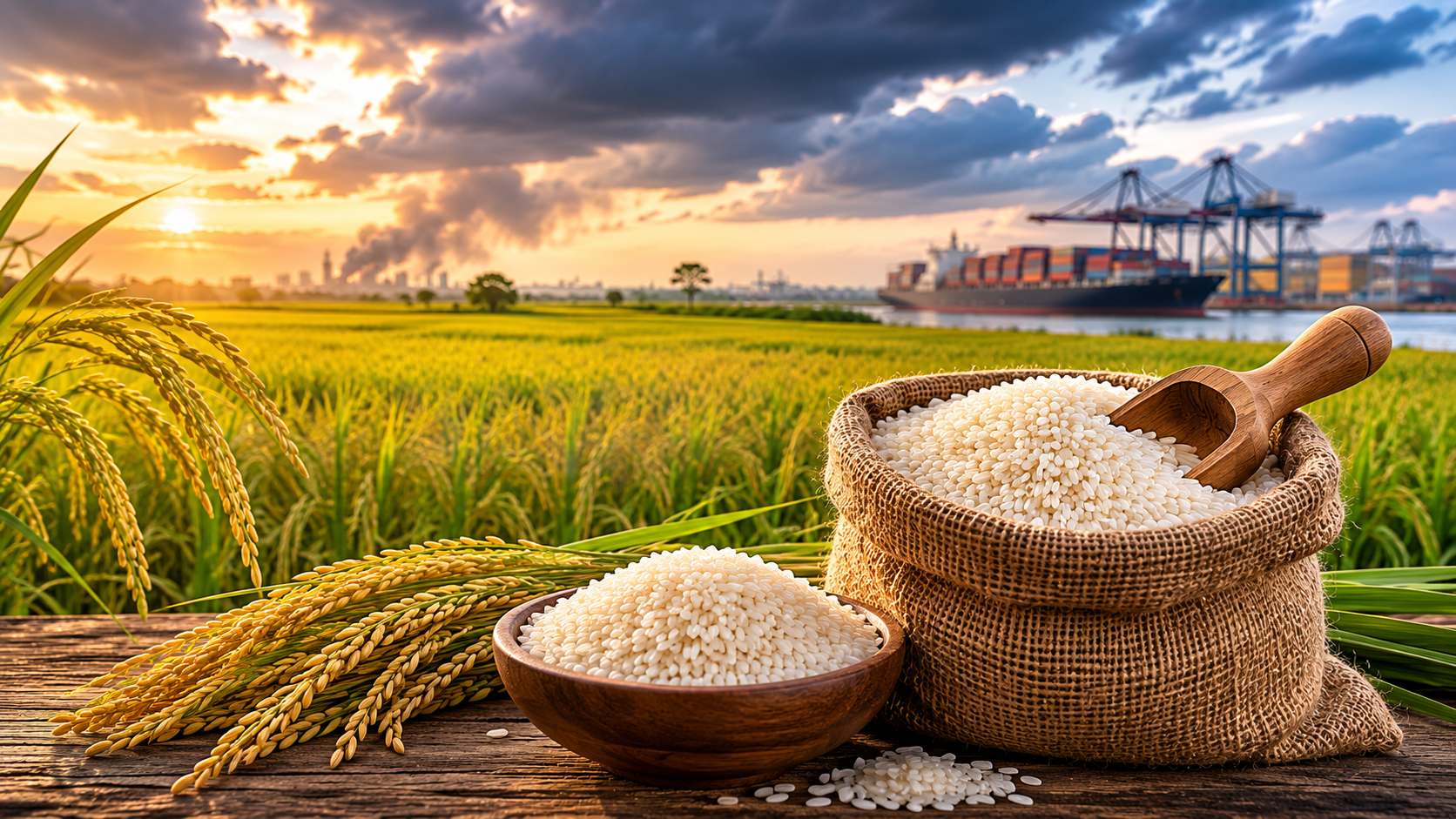
Asian rice prices reportedly jumped around 20% in May, as war related supply chain disruption and worsening weather risks added fresh pressure to one of the world’s most important food staples.
The increase highlights a broader food security risk across Asia. Rice is not only a commodity. It is a core household staple for billions of people and a major component of food inflation in many emerging and import dependent economies. When rice prices rise sharply, the impact can quickly move from commodity markets into household budgets, government subsidy policies and inflation expectations.
A Supply Side Shock
The May price surge reflects a double shock. First, war related disruption is raising the cost of fuel, fertilizer and shipping. Second, adverse weather conditions are threatening future production in key rice growing regions.
This matters because rice markets are highly sensitive to input costs. Farmers depend on affordable fertilizer, diesel, irrigation, labor and transport. If these costs rise faster than expected selling prices, farmers may reduce planting, delay production or accept weaker margins.
That creates a dangerous cycle. Higher costs reduce production incentives, lower planting can reduce future supply, and weaker supply expectations can push prices higher again.
Fuel and Fertilizer Costs Are the Main Transmission Channels
The most important transmission channel is input inflation. Higher energy prices increase the cost of irrigation, machinery, transport and shipping. Fertilizer pressure adds another burden because urea and other nitrogen based inputs are critical to rice yields.
When fertilizer availability is disrupted or prices rise sharply, farmers face a difficult choice. They can reduce fertilizer use, which may lower yields, or maintain application levels and accept higher production costs. Both outcomes create pressure: either future supply weakens, or farmer profitability deteriorates.
This is why the rice price shock is not only about market speculation. It is linked directly to the economics of production.
Farmers Under Pressure
Recent market reporting showed how severe the pressure has become for some producers. In one Thailand example, a rice farmer estimated planting and harvesting costs at around $33,000, while the expected crop value was only about $22,000.
That implies a potential loss of about $11,000.
The calculation is significant. Production costs in this example were around 1.5 times the expected crop value. Put another way, costs were roughly 50% higher than expected revenue. This is a major warning signal because farmers cannot sustainably plant at large expected losses.
If similar cost pressures spread, some producers may reduce planted area or shift production decisions. That would increase the risk of lower supply later in the year, especially if weather conditions also deteriorate.
Weather Risk Adds a Second Layer
Weather is the second major risk. Hotter and drier conditions can reduce yields, increase irrigation needs and weaken crop quality. Rice production is especially vulnerable because water availability, monsoon patterns and heat stress all affect planting and harvesting outcomes.
If weather risk intensifies at the same time that farmers are facing higher input costs, the supply outlook becomes more fragile. This combination is particularly important for Asia, where many countries are both major producers and major consumers of rice.
Even a modest reduction in expected output can have a meaningful price impact when inventories are tight or when governments become more protective of domestic supply.
Food Security Implications
The risk is not limited to higher rice prices. It is a broader food security issue for import dependent economies.
Rice has a high weight in household consumption across many Asian markets. For lower income households, food often represents a large share of spending. A sustained rise in rice prices can therefore weaken purchasing power and increase pressure on governments to respond through subsidies, price controls, reserve releases or trade restrictions.
These policy responses may help domestic consumers in the short term, but they can also tighten global supply if major exporters restrict shipments. This is one reason rice markets can become politically sensitive during periods of stress.
Inflation and Policy Risks
Higher rice prices can also complicate inflation management. Food inflation is often more visible to consumers than broader price indices because it affects daily purchases. If rice prices remain elevated, central banks and finance ministries may face renewed pressure from households and businesses.
The challenge is that this type of inflation is mostly supply driven. Higher interest rates cannot directly produce more rice or lower fertilizer costs. Policymakers therefore need to balance inflation control with food security tools, agricultural support and trade management.
For import dependent countries, the main risk is that higher global rice prices widen food import bills and place pressure on fiscal budgets. For producing countries, the challenge is to protect farmers from cost shocks while maintaining affordable domestic food prices.
Outlook
The main takeaway is that rice markets are being hit by a supply side shock. War is raising input and logistics costs, while weather risk is threatening future harvests.
If the May price surge proves temporary, the impact may be contained. But if fuel, fertilizer and shipping costs remain elevated while weather conditions worsen, rice prices could stay under pressure for longer.
For Asia, the issue is bigger than commodity volatility. Elevated rice prices can feed into food inflation, household purchasing power, fiscal policy and strategic reserve decisions.
The current shock shows why food security is increasingly tied to geopolitics, energy markets and climate risk. Rice may be a traditional staple, but its price is now being shaped by some of the most important global economic forces of 2026.
Source note: Data used in this article is based on market reporting on Asian rice prices, farmer cost pressures, fertilizer disruption and weather related supply risks.