Egyptian Pound Strengthens as Dollar Moves Toward EGP 50.6 Amid Improved Foreign Currency Liquidity
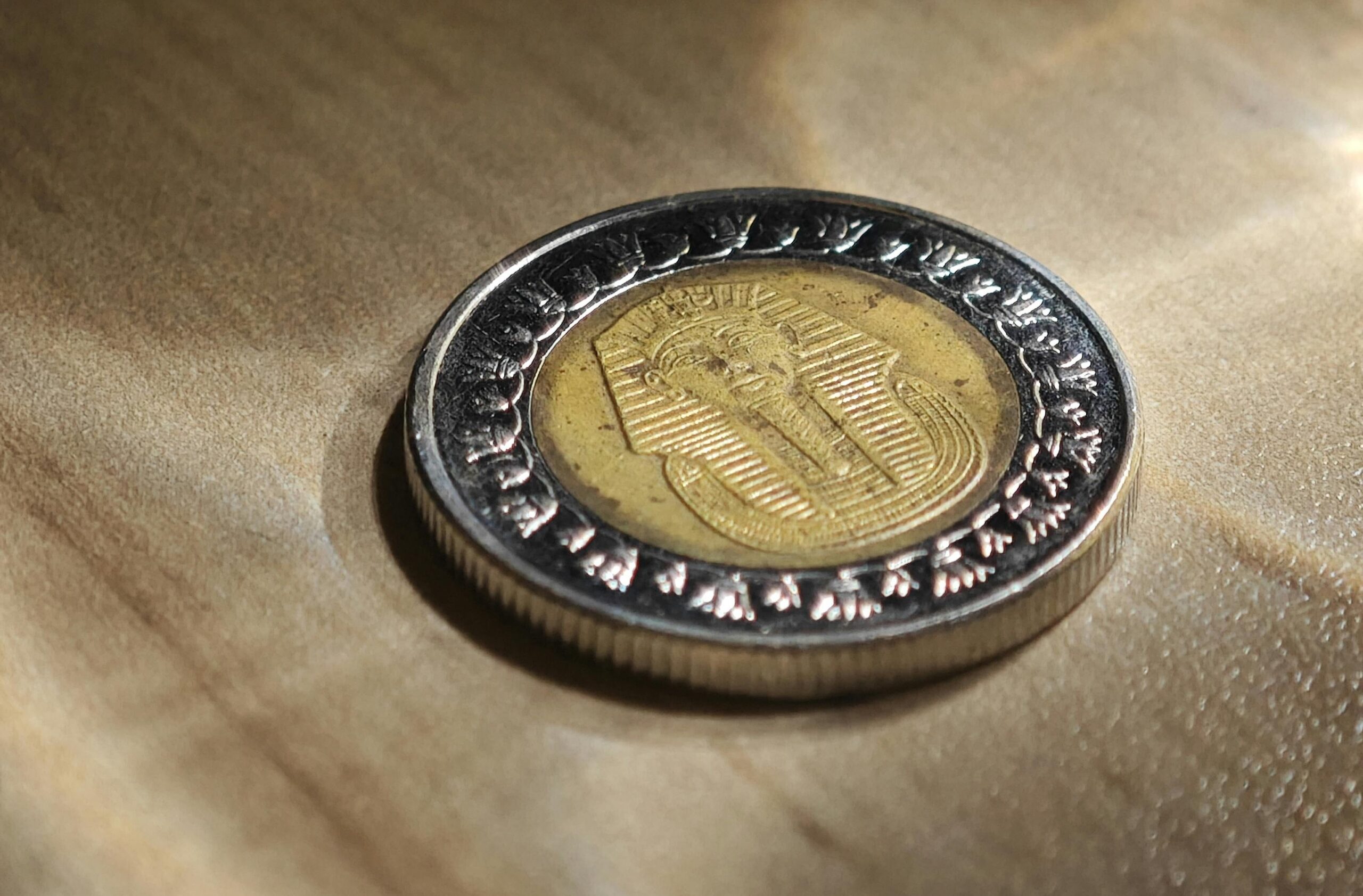
The Egyptian pound strengthened against the U.S. dollar on Monday, with the National Bank of Egypt showing the dollar at EGP 50.53 for buying and EGP 50.63 for selling at 10:36 AM on 15 June 2026.
The move points to an improvement in near term currency sentiment. It follows the Central Bank of Egypt’s latest published average market rate for 14 June, which showed the dollar at EGP 51.0614 for buying and EGP 51.1614 for selling.
On a midpoint basis, the NBE displayed rate of around EGP 50.58 compares with the CBE’s latest published average market midpoint of around EGP 51.11. This implies a stronger pound by roughly EGP 0.53, or approximately 1.0%, based on the two reference points.
This comparison should be interpreted carefully. The NBE figure is a bank level intraday rate, while the CBE figure is the previous official average market rate. Still, the direction of movement is important because it signals stronger pound momentum at a time when Egypt’s foreign currency liquidity indicators have improved.
A Positive Currency Move, Not a Full Re Rating
The dollar’s move toward the EGP 50.5 to EGP 50.6 range is meaningful, but it should not be viewed as a full re rating of the Egyptian pound.
The NBE displayed buying and selling rates show a spread of EGP 0.10. Relative to the midpoint of EGP 50.58, this represents a bid ask spread of around 0.2%. That is narrow enough to suggest orderly bank pricing rather than disorderly currency movement.
The more important signal is the comparison with the previous CBE market average. A decline from around EGP 51.11 to around EGP 50.58 at the midpoint suggests an improvement of about 1.0% in the pound’s value against the dollar.
For importers, this reduces the local currency cost of dollar purchases at the margin. For financial markets, it points to improved confidence in short term foreign exchange availability. However, the pound remains far weaker than pre reform levels and continues to trade within a flexible exchange rate framework.
Foreign Currency Liquidity Has Improved
The pound’s improvement is supported by stronger foreign currency inflows and larger external buffers.
The Central Bank of Egypt reported that remittances from Egyptians working abroad reached USD 34.9 billion during July to March of FY2025/2026, up 32.0% from USD 26.4 billion in the same period of the previous fiscal year.
This increase is significant. It means remittances rose by around USD 8.5 billion in the first nine months of the fiscal year. Remittances are one of Egypt’s largest and most stable sources of foreign currency, so this recovery provides important support to the banking system and reduces pressure on the exchange rate.
Foreign reserves also remain strong. Egypt’s net international reserves reached USD 53.134 billion at the end of May 2026, compared with USD 53.009 billion at the end of April. The monthly increase was modest, at around USD 125 million, but the overall level provides a stronger liquidity cushion than during previous periods of currency pressure.
Inflation Is Easing, but Monthly Pressure Remains
The currency move also comes as inflation continues to ease gradually.
CBE data show that annual urban headline inflation slowed to 14.6% in May 2026 from 14.9% in April. Annual core inflation remained unchanged at 13.8%. This confirms that Egypt’s inflation trend has improved compared with the very high inflation phase of 2023 and 2024.
However, the monthly data show that price pressure has not disappeared. Monthly urban headline inflation rose to 1.6% in May from 1.1% in April, while monthly core inflation also recorded 1.6% in May compared with 1.1% in April.
A stronger pound can help reduce imported inflation pressures if it persists, especially through imported food, fuel, intermediate goods and consumer products. But the impact usually appears with a lag and depends on whether the exchange rate improvement is sustained.
Interest Rates Continue to Support Pound Assets
Monetary policy remains another support factor for the currency. The CBE kept its key policy rates unchanged in May, with the overnight deposit rate at 19.00%, the overnight lending rate at 20.00% and the main operation rate at 19.50%.
Compared with annual urban headline inflation of 14.6%, the overnight deposit rate provides a simple positive ex post interest rate differential of about 4.4 percentage points. This does not remove currency risk, but it helps maintain the attractiveness of Egyptian pound assets for investors willing to hold local currency exposure.
This matters because currency stability in Egypt depends not only on current account flows, remittances and reserves, but also on portfolio confidence, debt market access and the credibility of exchange rate flexibility.
External Risks Remain Important
Despite the recent improvement, Egypt’s external position remains exposed to regional and global risks.
The World Bank expects Egypt’s real GDP growth to reach 4.3% in FY2026, after 4.4% in FY2025. It also projects the current account deficit at 4.2% of GDP in FY2026, the fiscal deficit at 7.6% of GDP and government debt at 82.9% of GDP. Official data, meanwhile, show the economy grew about 5.2% in the first nine months of FY2025/2026, tracking above the World Bank’s full year projection and pointing to firmer momentum even as the broader adjustment continues.
These figures show that Egypt’s macroeconomic adjustment is progressing, but not complete. The country still faces high financing needs, large interest costs and sensitivity to external shocks.
Regional conflict remains a key risk channel. Higher oil and gas prices, weaker tourism, lower remittances, renewed pressure on Suez Canal revenues or portfolio outflows could affect the balance of payments and reverse part of the recent currency improvement.
Why the Latest Move Matters
The pound’s strengthening matters for four main reasons.
First, it suggests that dollar liquidity inside the banking system is improving. This is positive for importers, companies with foreign currency obligations and confidence in the formal exchange market.
Second, it supports the disinflation outlook. A stronger pound can reduce the cost of imported goods and inputs, although the impact will depend on the duration and scale of the currency move.
Third, it improves investor sentiment. Currency stability, high nominal interest rates and stronger reserves can make local currency assets more attractive, especially when inflation is gradually easing.
Fourth, it reinforces the importance of policy credibility. The IMF has emphasized that tight monetary and fiscal policies, together with exchange rate flexibility, have helped restore macroeconomic stability. The latest currency movement supports that direction, provided flexibility remains credible and external buffers continue to improve.
Outlook
The near term outlook for the Egyptian pound will depend on whether recent foreign currency inflows continue and whether regional risks remain contained.
On the positive side, remittances are rising strongly, reserves are elevated, inflation is lower than in previous years and interest rates remain high in real terms. These factors support currency stability and explain the latest improvement in the pound.
On the risk side, Egypt remains exposed to oil prices, regional conflict, Suez Canal revenues, portfolio flows and external debt service obligations. A renewed external shock could quickly reverse part of the recent currency strength.
Overall, the dollar’s move toward the EGP 50.6 range is a positive signal for Egypt’s foreign exchange market. It reflects improved liquidity and stronger confidence, but it should be viewed as part of a gradual stabilization process rather than a definitive turning point. The key test will be whether the pound can maintain stability while inflation continues to ease, reserves remain strong and external financing conditions stay supportive.
Sources: CBE, NBE, CAPMAS, World Bank, IMF, and verified market data as of 15 June 2026.