
China Adds MP Materials and USA Rare Earth to Export Control List as Critical Minerals Contest Widens
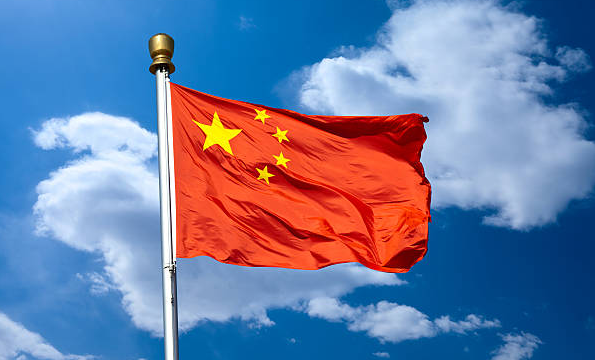
China has added two United States rare earth companies, MP Materials and USA Rare Earth, to its export control list, in the latest sign of intensifying competition over the critical minerals that are essential to advanced manufacturing, clean technology and defense supply chains.
China’s Ministry of Commerce said on Monday that MP Materials and USA Rare Earth were among 10 United States entities added to the list, in a measure that took effect on 22 June. The decision prohibits Chinese exporters from supplying the listed companies with dual use items, and also bars organizations and individuals in any country or region from transferring or providing Chinese origin dual use items to the listed entities. The ministry said the step was taken to safeguard national security and interests and to fulfill international non proliferation obligations.
The other companies added to the list include firms active in drones, robotics, aerospace, defense systems and related technologies.
Background
MP Materials is one of the most prominent United States rare earth miners and processors, and has been backed by the US Department of Defense as part of Washington’s effort to build a domestic rare earth magnet supply chain. USA Rare Earth is developing rare earth and magnet production capacity in the United States. Both companies have spent the past year expanding capacity, following restrictions China imposed in April on exports of key rare earth elements and the magnets made from them.
The latest measure also comes days after the Group of Seven committed to reducing dependence on any single non G7 supplier for rare earths and permanent magnets to below 60 percent by 2030, part of a wider effort by advanced economies to strengthen critical minerals security and reduce exposure to concentrated supply chains. China dominates global mining and processing of the materials.
Why it matters
Rare earth elements are critical inputs for electric vehicles, wind turbines, semiconductors, advanced electronics, robotics and defense systems. Because the supply chains for mining, refining and magnet production remain highly concentrated, export controls and counter measures can affect industrial planning, procurement strategies and the pace at which alternative supply chains are developed. For manufacturers, the immediate issue is access not only to raw materials but also to processed materials, components, technologies and equipment connected to rare earth production and magnet manufacturing.
For the Gulf, where several countries are investing in mining, metals processing and industrial diversification, the widening contest over critical minerals highlights both risk and opportunity. It underscores the importance of supply security while creating potential space for new investment in processing, logistics, downstream manufacturing and partnerships with established global producers.
Outlook
The market response will depend on how directly the restrictions affect procurement by the listed companies and whether further measures follow on either side. Over the medium term, the key question is whether alternative supply chains can be built quickly enough to reduce reliance on concentrated sources of rare earth processing and permanent magnets. The G7’s 2030 target provides a policy benchmark, but reaching it would require sustained investment, permitting, financing, technical capacity and coordination across mining, processing and manufacturing.
Sources: Bloomberg; China Ministry of Commerce; Group of Seven leaders’ declaration.