Euro-Area Investor Confidence Rebounds in July as Producer-Price Inflation Climbs on Energy
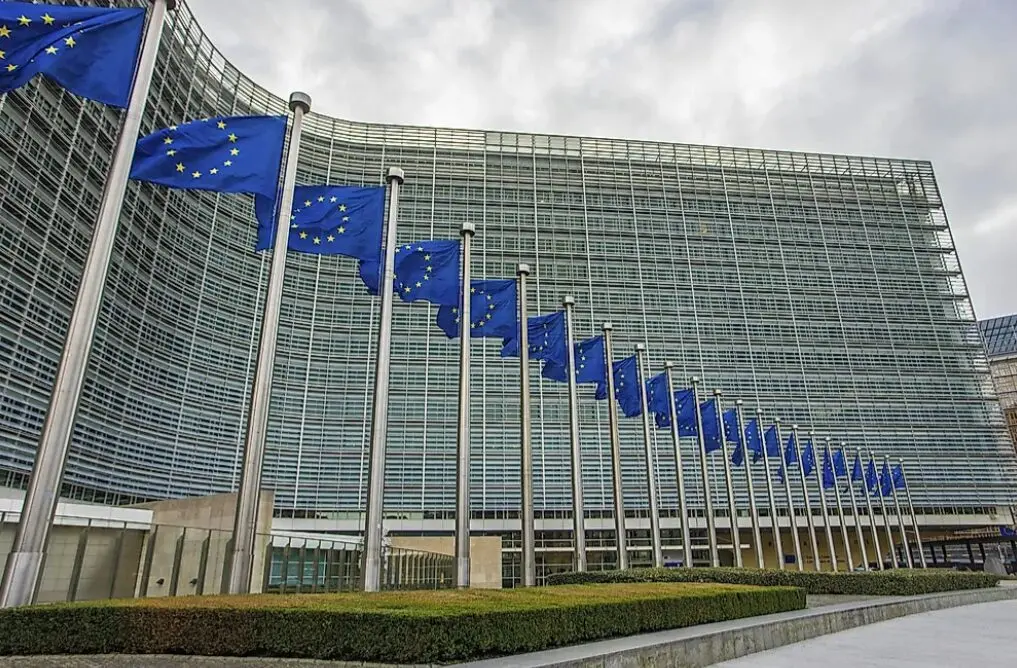
Investor confidence in the euro area rebounded sharply in July, while data released the same day showed producer-price inflation climbing on higher energy costs, a mixed but broadly firmer read on the bloc’s economy. The Sentix investor-sentiment index jumped to minus 3.1 from minus 13.4 in June, its third consecutive monthly rise and well above the minus 10.0 that analysts had expected, according to Sentix, whose survey was released on 6 July.
The improvement was led by expectations. The forward-looking expectations component turned positive at 9.3, its first positive reading since March and a jump of nearly 16 points on the month, while the current-situation gauge rose to minus 14.8 from minus 20.0. Sentix attributed the recovery to the fading of the sentiment shock from the regional conflict earlier in the year and to the German government’s recent reform efforts, with its survey of nearly 1,000 investors taken between 2 and 4 July.
Separately, Eurostat reported that euro-area producer prices, which measure the prices factories charge and often lead consumer inflation, rose 5.9 percent in the year to May, up from a revised 5.0 percent in April, while rising a modest 0.2 percent on the month. The EU-wide annual rate rose to 5.7 percent. Energy was the main driver on an annual basis, up 14.0 percent year on year, while producer prices excluding energy rose 2.8 percent over the year.
The monthly pattern, however, was different from the annual one. Energy prices actually fell 1.0 percent from April, so the 0.2 percent monthly rise came from non-energy industry, where intermediate goods rose 1.4 percent and producer prices excluding energy rose 0.7 percent. In other words, energy was the reason the annual rate stayed high, but not the reason prices rose on the month.
The split tells the story. The gap between the 5.9 percent headline rate and the 2.8 percent rate excluding energy, about 3.1 percentage points, our calculation, is a direct measure of how much energy is still adding to factory-gate inflation, even as the monthly energy figure eased. Because producer prices tend to feed through to consumer prices with a lag, a headline rate near 6 percent, driven by energy, is a reminder that disinflation in the euro area is not yet complete, a point that will feature in the European Central Bank’s deliberations.
For the Gulf and the wider MENA region, both readings carry a message. The rebound in euro-area investor confidence points to firmer sentiment in one of the world’s largest economies and a major trading partner, which supports demand for the region’s exports and for Mediterranean tourism. The energy-driven rise in European producer prices, meanwhile, reflects the same firm energy costs that benefit Gulf hydrocarbon exporters while adding to imported inflation for energy-importing economies such as Egypt and Jordan.
Why it matters: The two releases together suggest a euro area that is regaining confidence but still contending with energy-driven price pressure, a combination that keeps the European Central Bank cautious about how quickly it can ease policy. For MENA, the transmission runs through trade, tourism and energy: a more confident Europe supports regional exports and travel, while the persistence of energy in the inflation data underlines how closely the region’s core export is tied to the price picture in its largest customer economies.
Outlook: The near-term markers are whether the improvement in sentiment is sustained into the autumn, the June inflation readings from the major economies, and the European Central Bank’s next meeting, where officials will weigh firmer confidence against still-elevated producer-price inflation. Energy will remain the swing factor in the price data.
Sources: Sentix; Eurostat.