China’s Central Bank Pledges to Keep Policy Appropriately Accommodative as It Flags a More Complex External Environment
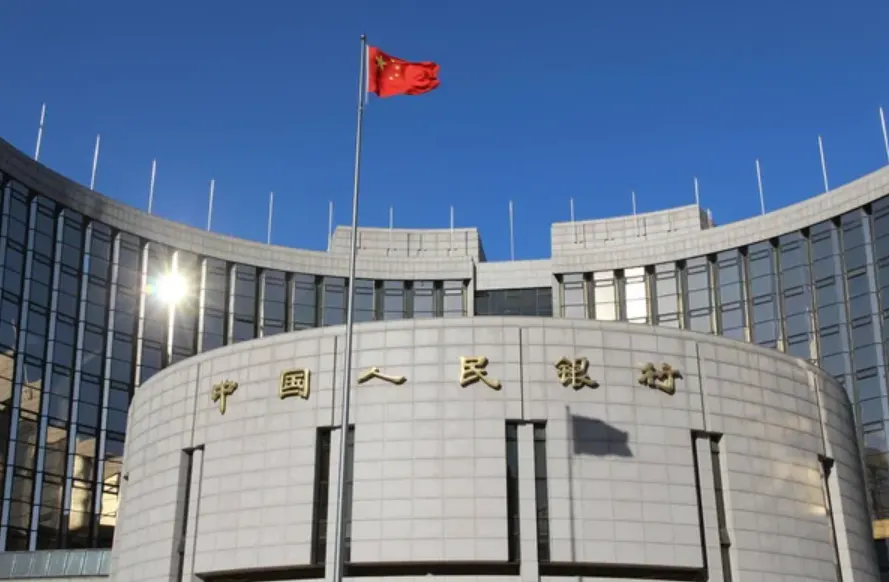
The People’s Bank of China said it will continue to apply an appropriately accommodative monetary policy and step up countercyclical and cross-cyclical adjustment, in the readout of its monetary policy committee’s second-quarter meeting, held on 4 July and published on 8 July and carried by the official Xinhua news agency. The committee pledged to keep liquidity ample and to align growth in social financing and money supply with the economy’s growth and price targets.
The language on the external environment hardened. The second-quarter readout describes conditions as “more complex and volatile,” with weak global growth momentum and frequent geopolitical conflicts and trade frictions, compared with the first quarter’s reference to the deepening impact of external changes, our reading of the two readouts. The domestic challenge list also lengthened, adding structural divergence to strong supply against weak demand and external shocks.
On the yuan, the committee repeated that it would keep the exchange rate basically stable at a reasonable equilibrium level, and said financing costs are at historically low levels. Notably, the readout makes no reference to the property sector, a fixture of earlier readouts, our reading.
The committee called for combining incremental and existing policies and making policy more forward-looking, flexible and targeted, with priority support for domestic demand, technology innovation and micro, small and medium-sized enterprises, and stronger monetary and fiscal coordination to promote a reasonable rebound in prices. Reuters noted the central bank has not cut its policy rate or reserve requirement ratio since May 2025.
Why it matters: China is a key buyer of Gulf crude and a top trading partner for the wider region, so the continuity of an accommodative stance, and the explicit goal of reviving domestic demand and prices, supports the commodity-demand outlook. The harder language on the external environment echoes this week’s data, with June consumer inflation subdued even as factory-gate prices jumped, and frames how much stimulus may eventually be needed.
Outlook: June credit and total social financing data are due in the coming days, June trade figures around 13 July, and the Politburo’s mid-year meeting, typically held in late July, is the next scheduled read on whether the incremental-policy language turns into concrete easing.
| Aspect | Q1 readout | Q2 readout |
|---|---|---|
| Policy stance | Appropriately accommodative | Unchanged |
| External environment | Deepening impact of external changes | More complex and volatile |
| Domestic challenges | Strong supply, weak demand; external shocks | Adds structural divergence |
| Yuan | Basically stable at reasonable equilibrium | Unchanged |
Sources: People’s Bank of China; Xinhua; Reuters.