Central Bank of Egypt Holds Rates at 19 Percent for a Third Straight Meeting
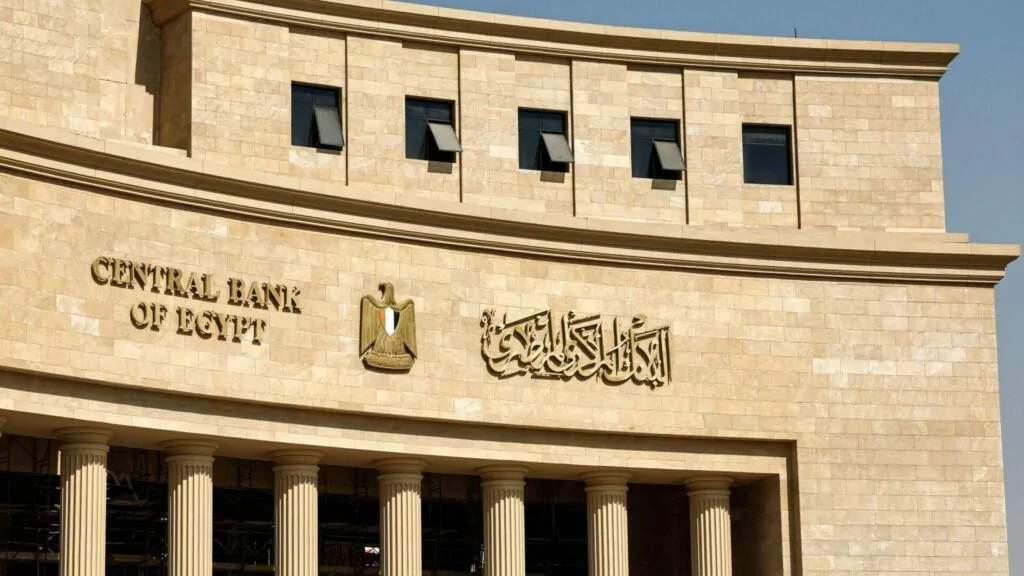
The Central Bank of Egypt kept its key policy rates unchanged on Thursday, extending the pause in its easing cycle for a third consecutive meeting as policymakers waited for clearer evidence that disinflation is becoming durable.
The Monetary Policy Committee held the overnight deposit rate at 19 percent, the overnight lending rate at 20 percent, and the main operation and discount rates at 19.5 percent. The decision was in line with market consensus, following earlier holds in April and May.
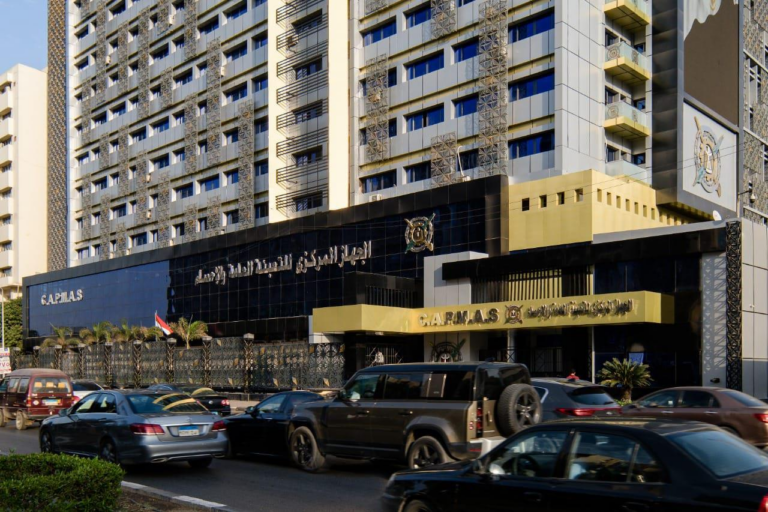
The signal is cautious rather than hawkish. Inflation is easing, but not enough to justify an early return to cuts. Annual urban headline inflation slowed to 14.3 percent in June from 14.6 percent in May, a third straight monthly deceleration, while the central bank’s core measure rose to 14.3 percent from 13.8 percent. On the month, urban headline prices fell 0.4 percent while core prices rose 0.3 percent. The all-Egypt national rate was lower at 12.2 percent. Urban inflation, the gauge the bank targets, remains well above the objective of 7 percent, plus or minus 2 percentage points, by the fourth quarter of 2026. (See our coverage of the June inflation data.)
Why the hold matters
The bank is balancing three forces at once: slowing inflation, weak private-sector activity, and the need to keep the pound and foreign inflows stable. Demand is soft, with the non-oil private sector PMI at 46.0 in June from 47.1 in May, a sixth month below the 50 mark that separates growth from contraction, which argues against tightening. But inflation is still too high, and risks from fuel costs, administered-price adjustments, fiscal consolidation and base effects argue against cutting too soon.
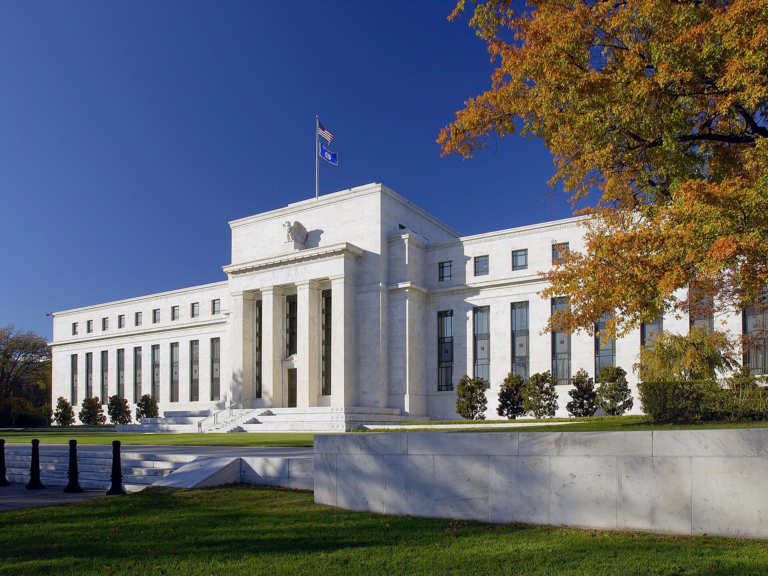
The external backdrop reinforces caution. With the US Federal Reserve holding its target range at 3.50 to 3.75 percent, elevated global dollar rates keep the interest-rate differential important for portfolio flows while the pound remains sensitive to external funding conditions.
Positive real rates keep the carry trade attractive
With the deposit rate at 19 percent and urban inflation at 14.3 percent, Egypt still offers a real policy rate of roughly 4.7 percentage points. The carry is more visible in local-currency government debt, where treasury bill yields sit in the mid 20s percent. That cushion helps keep local debt attractive to foreign investors and supports the pound, which is trading near 49.5 to the dollar, within a 49 to 50 range, after briefly firming below 49 earlier in the week.
Egypt’s external buffers have also strengthened, with record reserves and rising remittances underpinning confidence, both covered separately.
What it means
For households, the decision keeps savings instruments attractive, especially bank deposits and government-linked products. For borrowers, financing costs stay elevated, limiting the pace of any credit-led recovery. For businesses, monetary relief has not yet arrived even as demand weakens, keeping pressure on firms with working-capital needs. For banks, stable high rates support interest income and returns on government securities while keeping funding costs predictable.
Outlook
The bank has not closed the door to easing, but the next move depends on the data. The signals to watch are the July and August inflation prints, any further fuel or energy-price adjustments, the behaviour of the pound, foreign participation in local debt, and the global dollar-rate backdrop. A gradual easing cycle could resume later in 2026 if inflation keeps falling, the exchange rate stays orderly, and external inflows remain resilient. Until then, the priority is clear: protect currency stability, preserve positive real rates, and anchor inflation expectations before pivoting toward growth support.
Sources: Central Bank of Egypt, CAPMAS, Federal Reserve, S&P Global.