Oman and Jordan Launch a 100 Million Dollar Joint Investment Company to Deepen Economic Ties
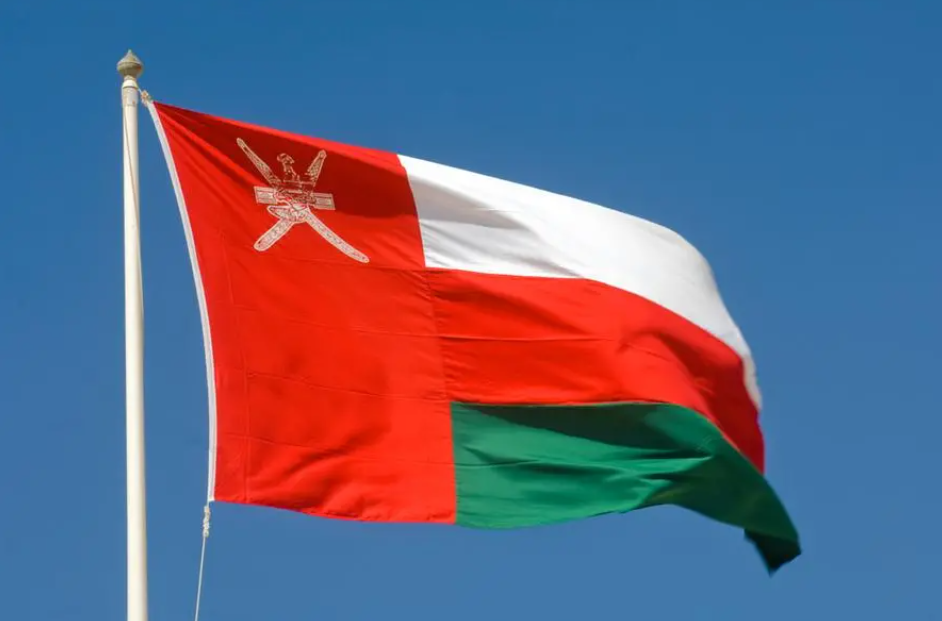
Oman and Jordan have established a joint investment company with capital of 38.5 million Omani rials, about 100 million dollars, to expand economic cooperation and channel capital into a range of productive sectors, the two countries announced. The venture pairs the Oman Investment Authority, the sultanate’s sovereign wealth fund, with Jordan’s Social Security Investment Fund, each holding an equal 50 percent stake.
The new entity, named the Jordanian-Omani Investment Company, is designed to identify and fund opportunities across sectors the two governments see as strategic. According to the Jordanian and Omani news agencies, its mandate spans telecommunications and information technology, agriculture and food, pharmaceuticals and medical equipment, energy, mining, tourism and logistics, a deliberately broad remit intended to give the fund flexibility to pursue the most promising projects in either country.
The tie-up reflects a wider pattern of Gulf sovereign capital being deployed within the region. Sovereign wealth funds and public pension investors across the Gulf have increasingly looked to partner with neighbouring economies to diversify their holdings and support regional integration, and a 50-50 structure between a Gulf sovereign fund and a Jordanian public investor gives both sides aligned incentives to build a durable pipeline of investments rather than one-off deals.
Why it matters: For Jordan, an equal partnership with one of the Gulf’s sovereign investors is a vote of confidence in its investment climate and a source of long-term capital for sectors central to its development, from food security to pharmaceuticals. For Oman, the venture extends the reach of its sovereign fund into a friendly market and supports the sultanate’s strategy of building productive cross-border assets. More broadly, the deal is an example of the intra-regional investment flows that are knitting Gulf and wider Arab economies more closely together, a trend that matters for regional resilience at a time of global trade-policy uncertainty.
Outlook: The near-term markers are the first investments the company announces and the sectors it prioritises, which will show whether the broad mandate translates into concrete projects. Continued deployment would signal that Gulf sovereign capital is becoming a more active driver of investment across the wider region.
Sources: Oman News Agency; Petra.